
Sun’-nobi Tantō by Nanki Shigekuni with Koshirae (Saijō-saku / Ryō-wazamono)
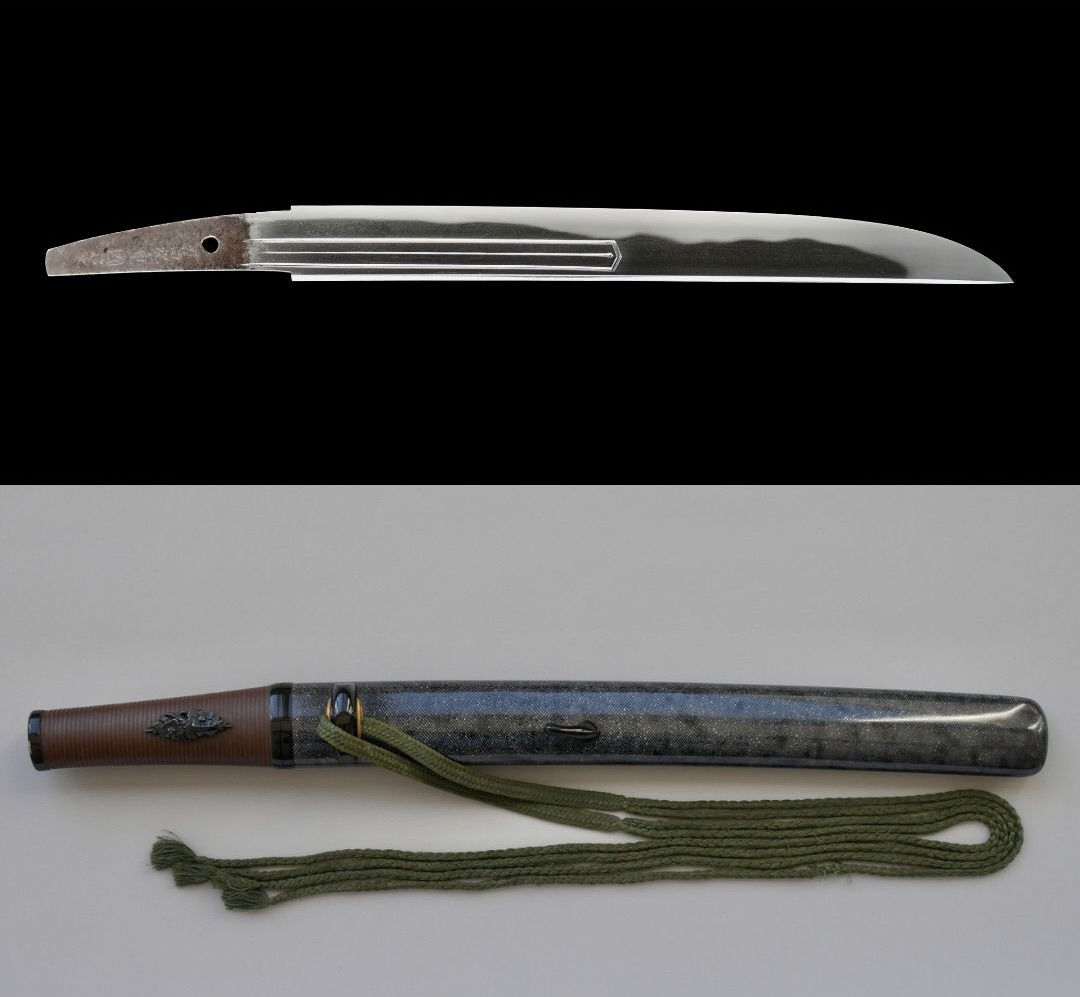
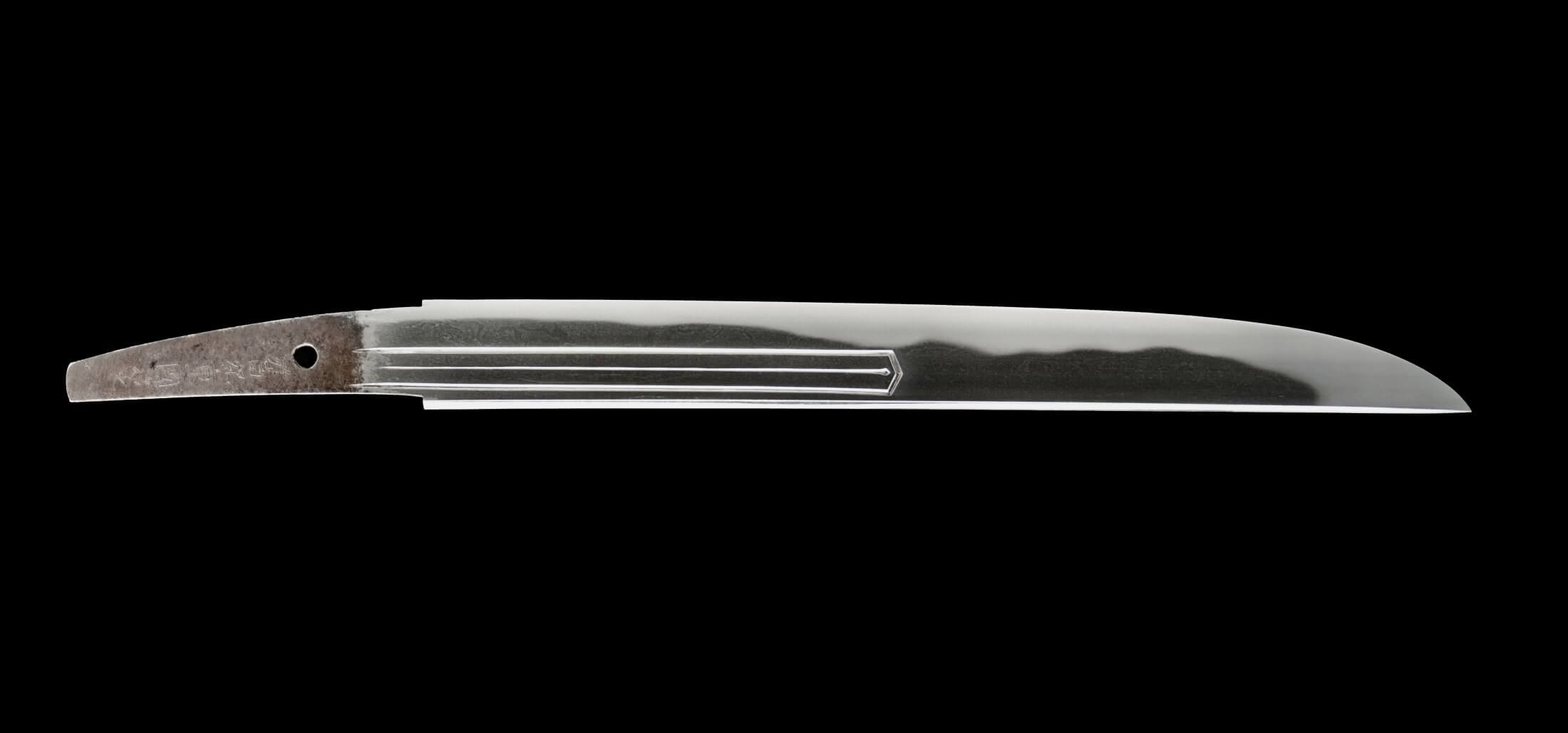
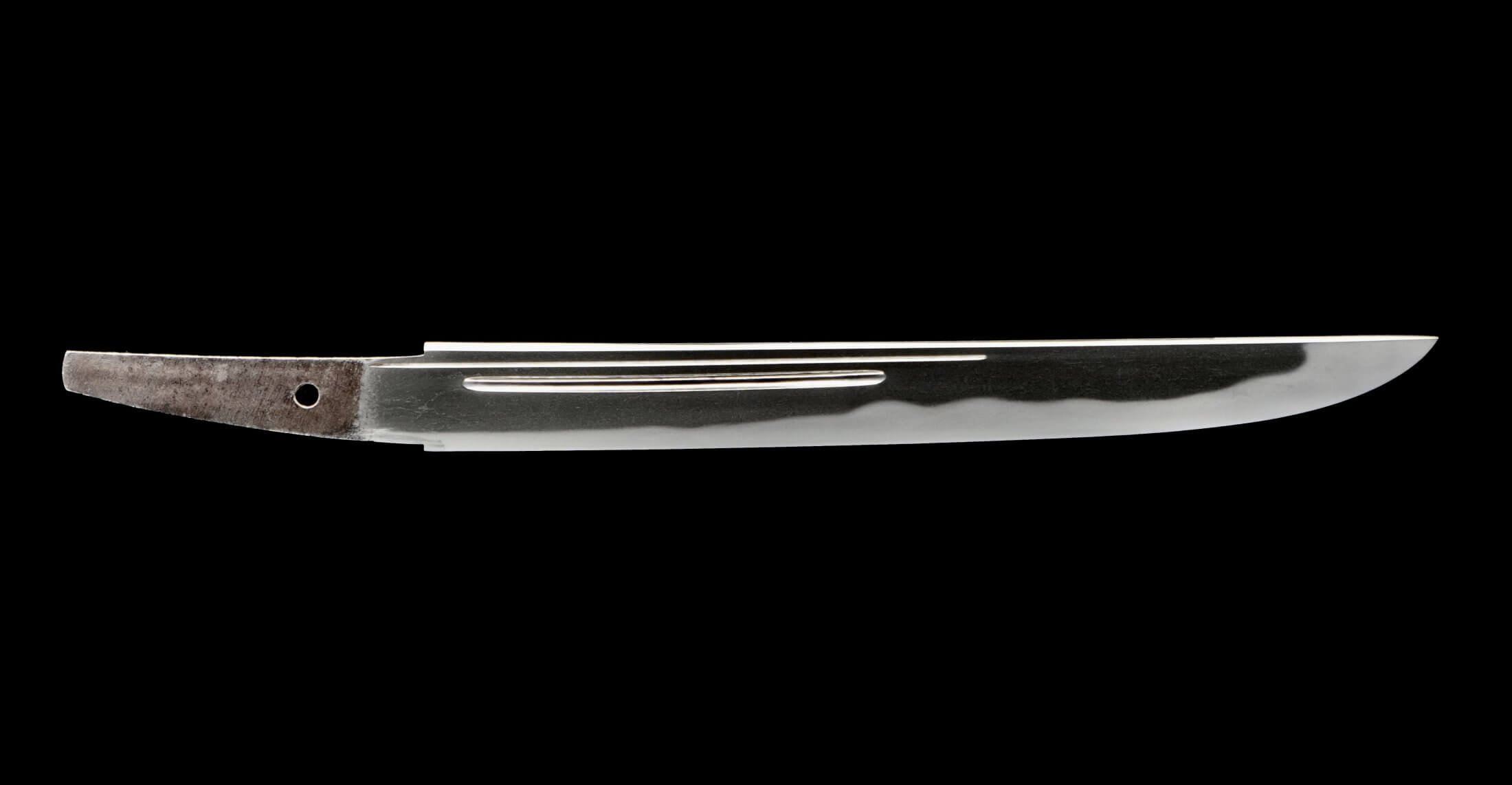
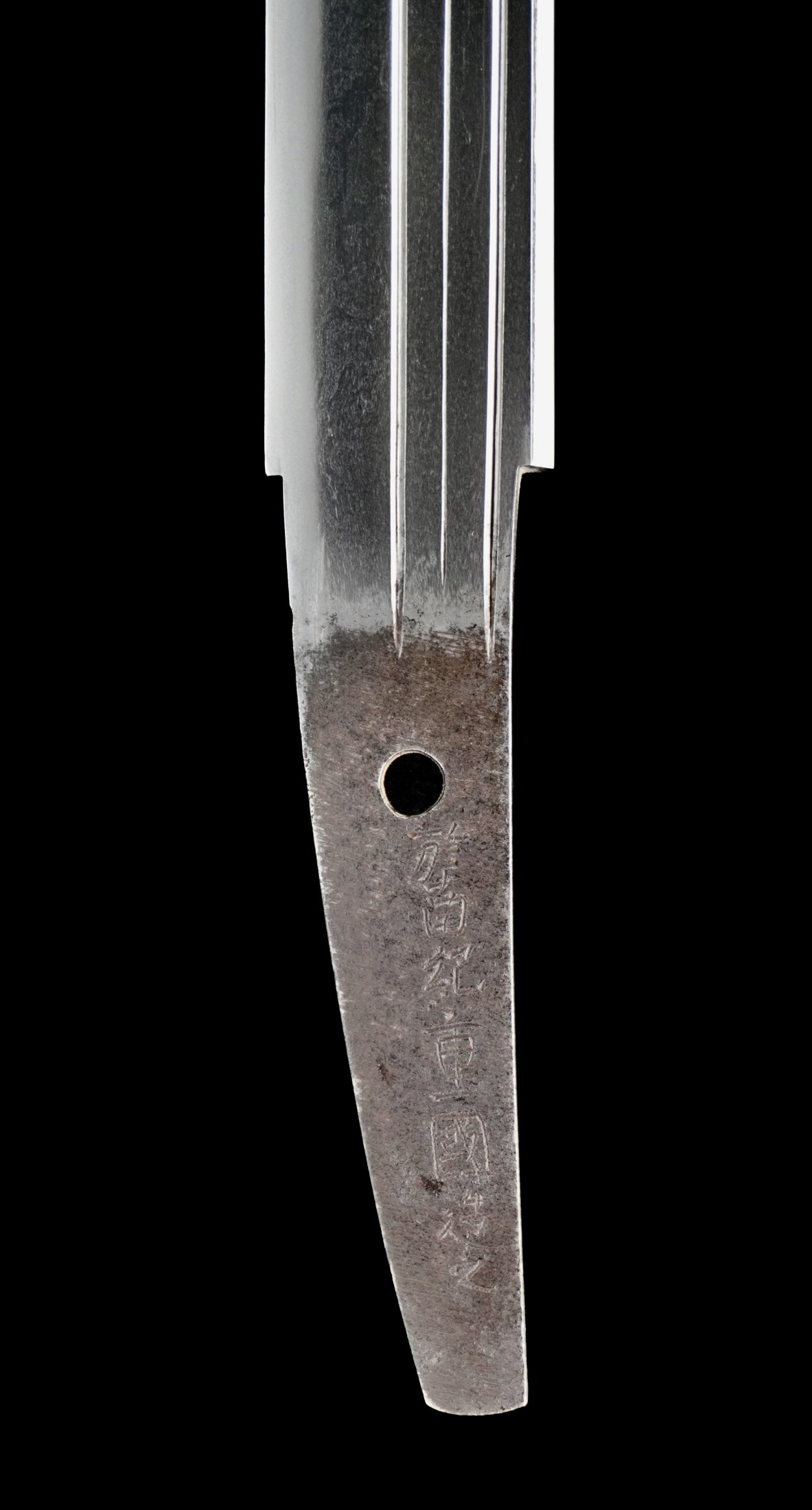
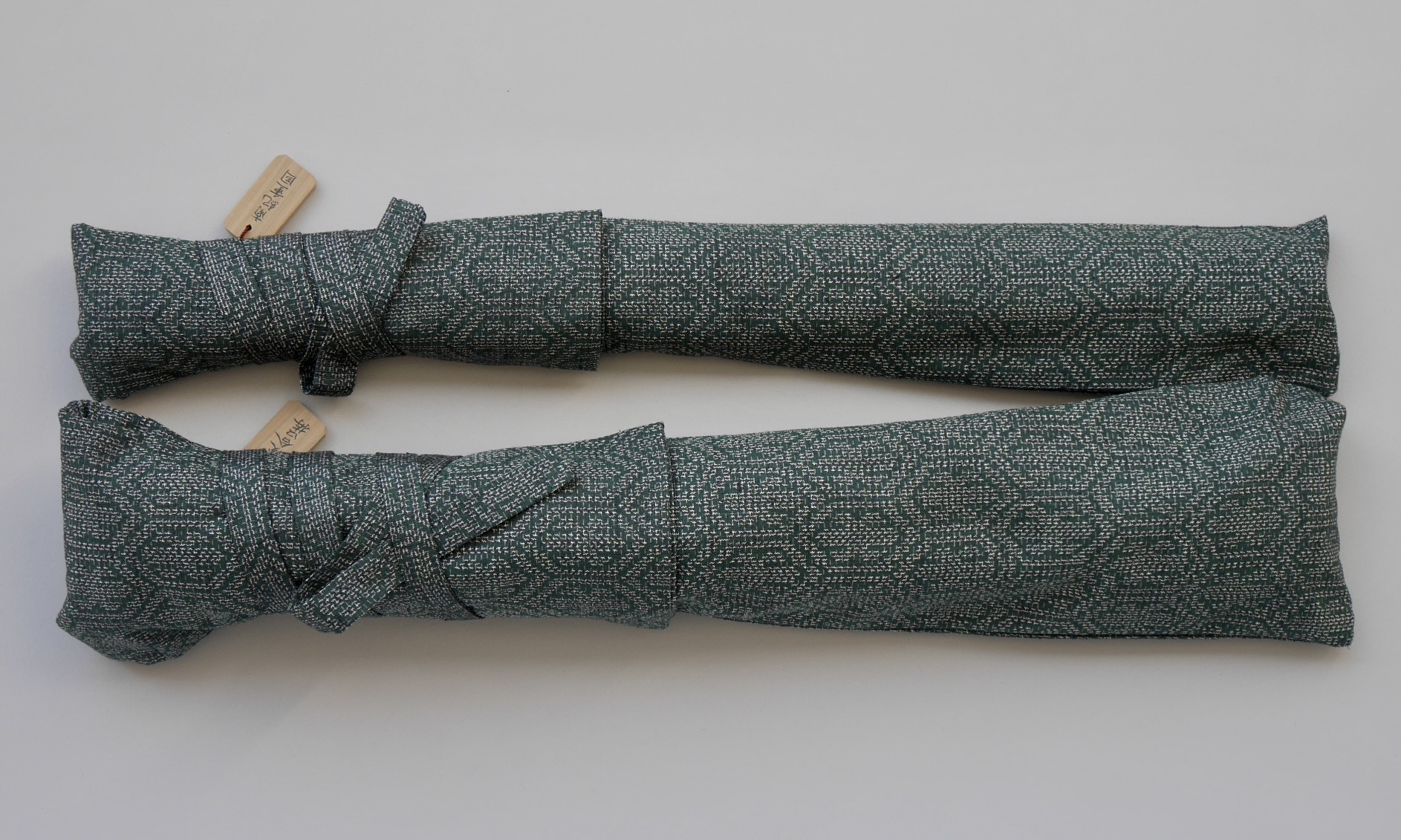
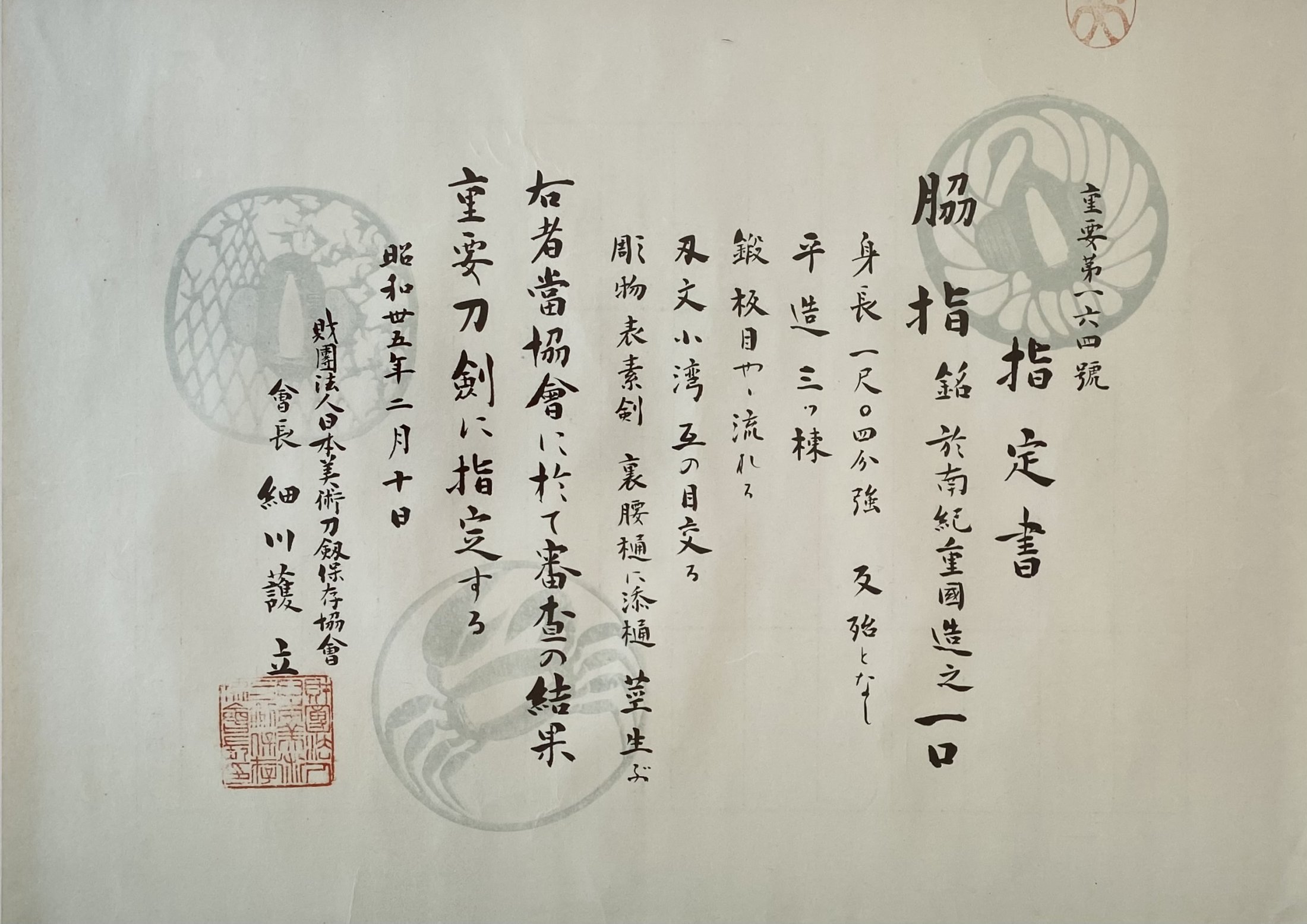
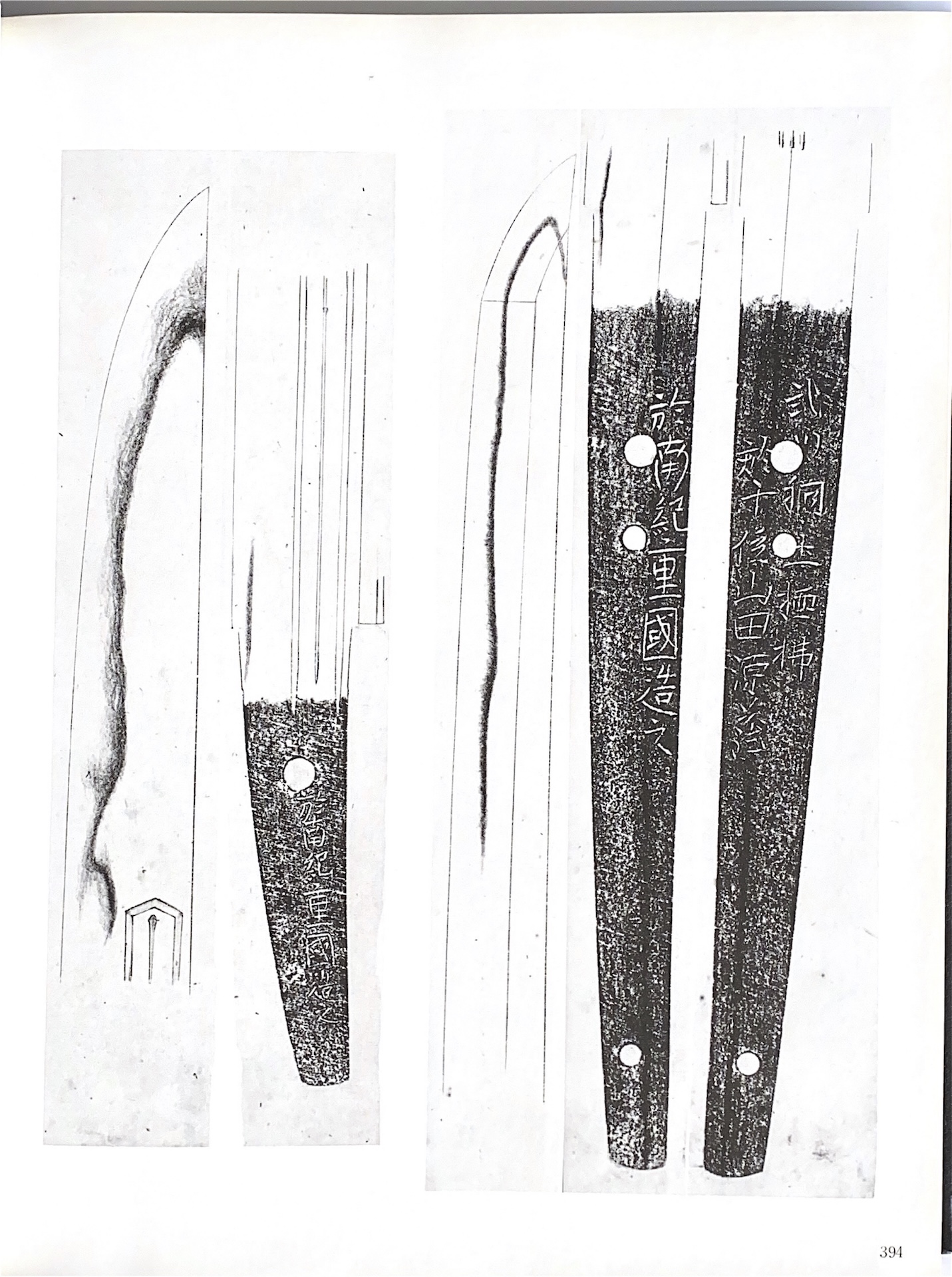
Nanki Shigekuni, who originated from the Yamato Tegai school, is one of the most renowned swordsmiths of the early Shintō period, although the details of his early life remain unclear. During the Keichō era, he entered the service of Tokugawa Ieyasu and initially forged swords in Sunpu. He later moved to Wakayama in the service of Tokugawa Yorinobu. While most of his works produced after his move to Wakayama follow the Yamato tradition, many of those made during his time in Suruga exhibit the Sōshū tradition. According to a historical account of the eleventh-generation Shigekuni, dated 1862 (Bunkyū 2), the Kishū Tokugawa family presented a kantana and a wakizashi by Shigekuni to the shogunal family in 1625 (Kan’ei 2).
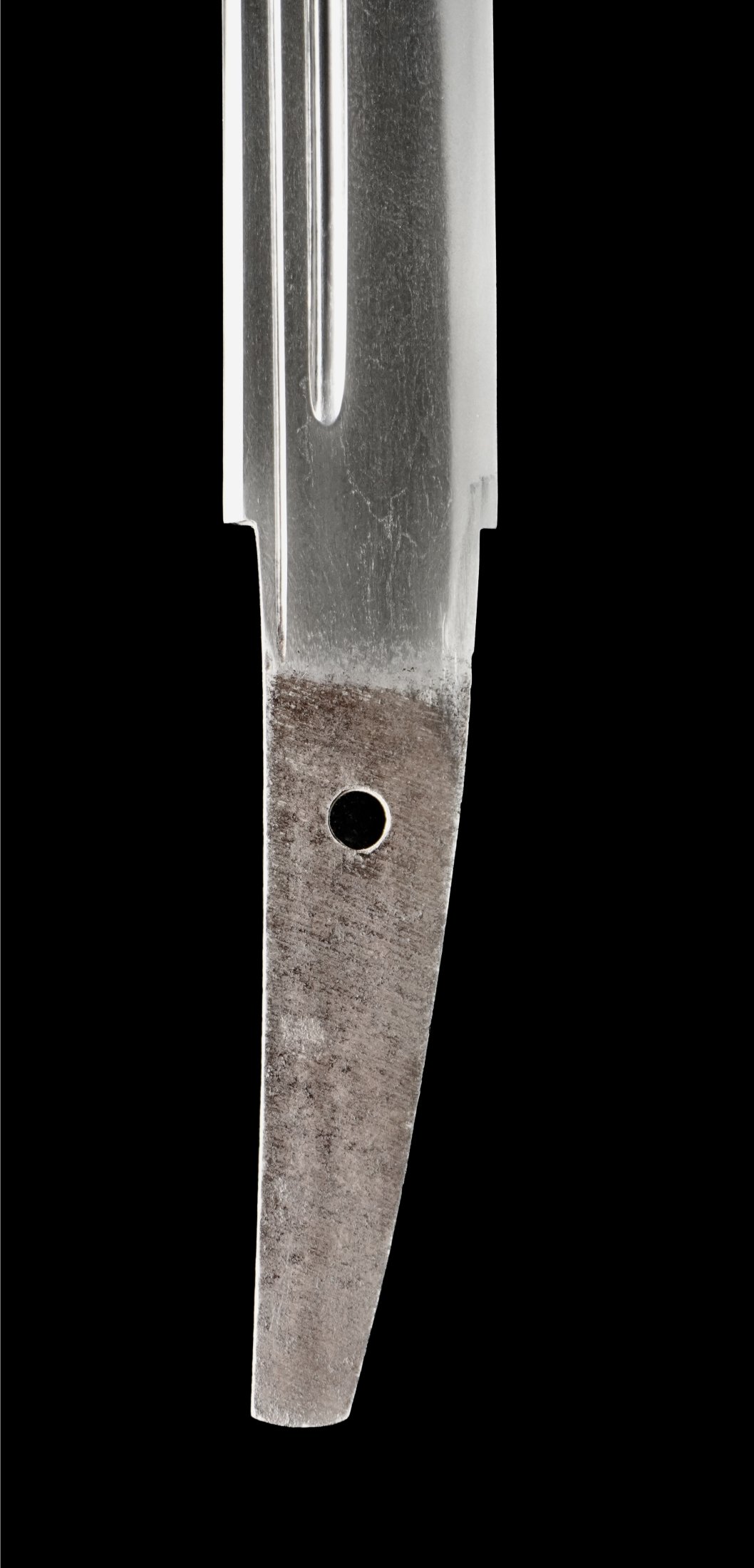
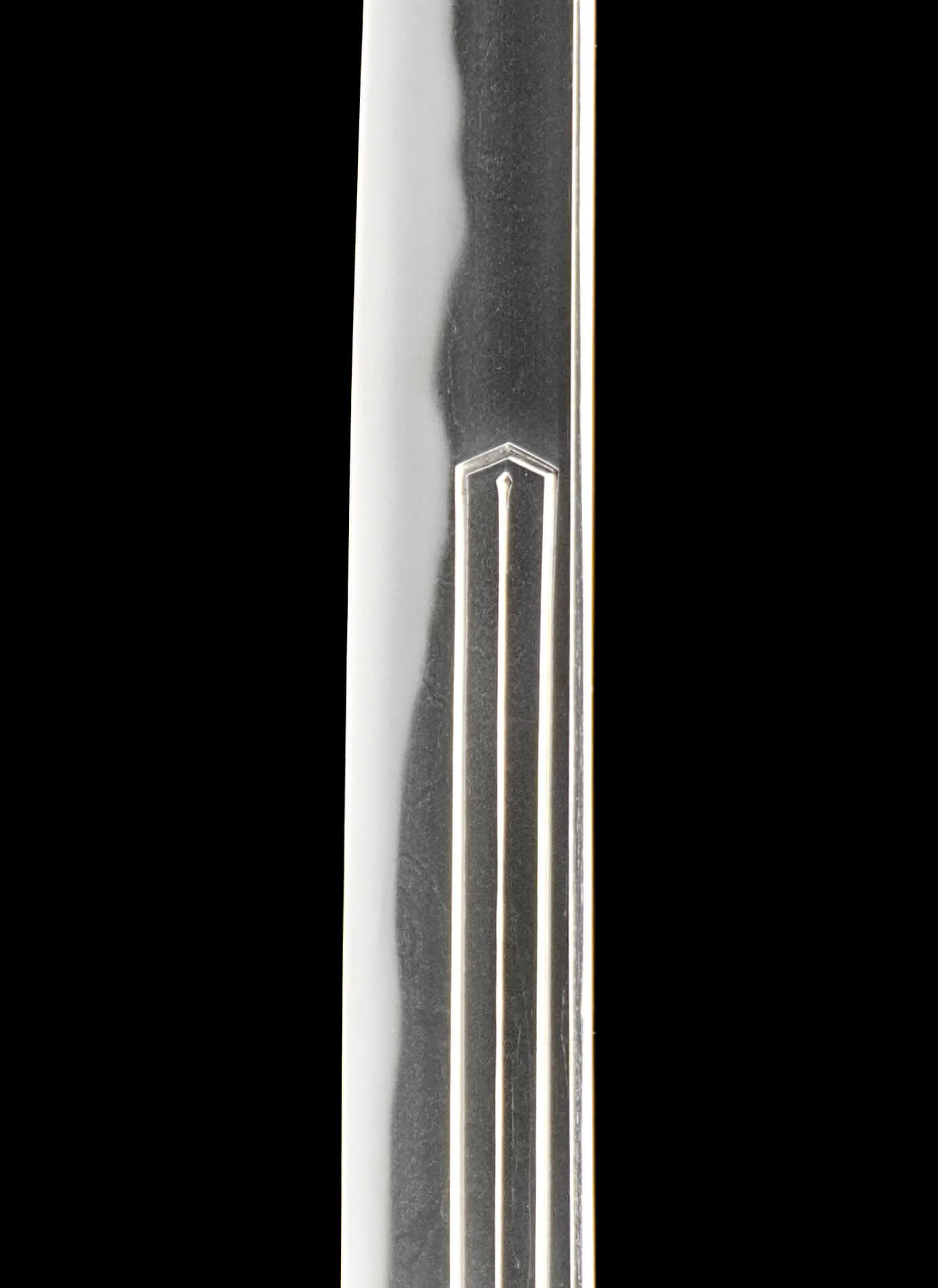
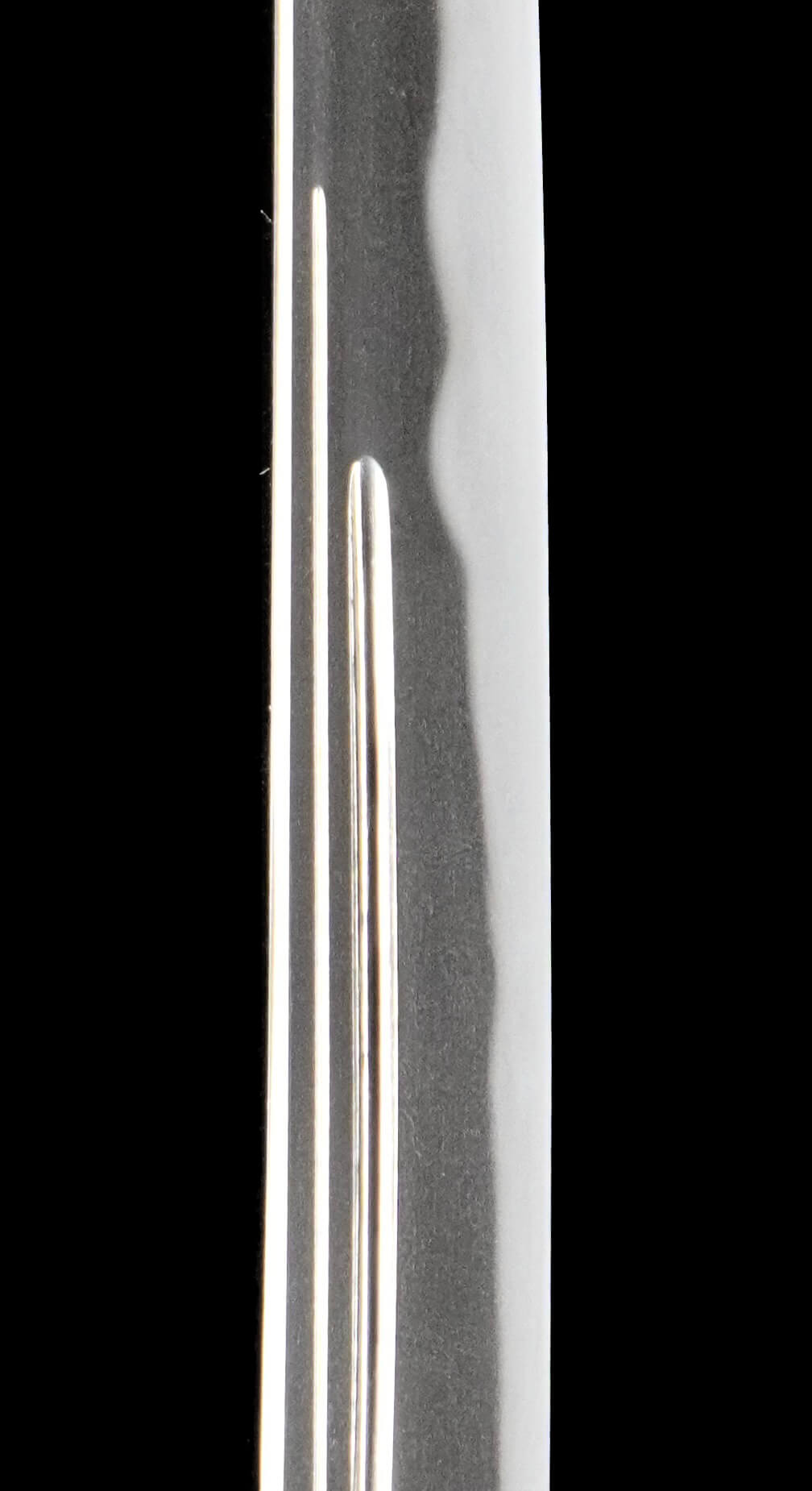
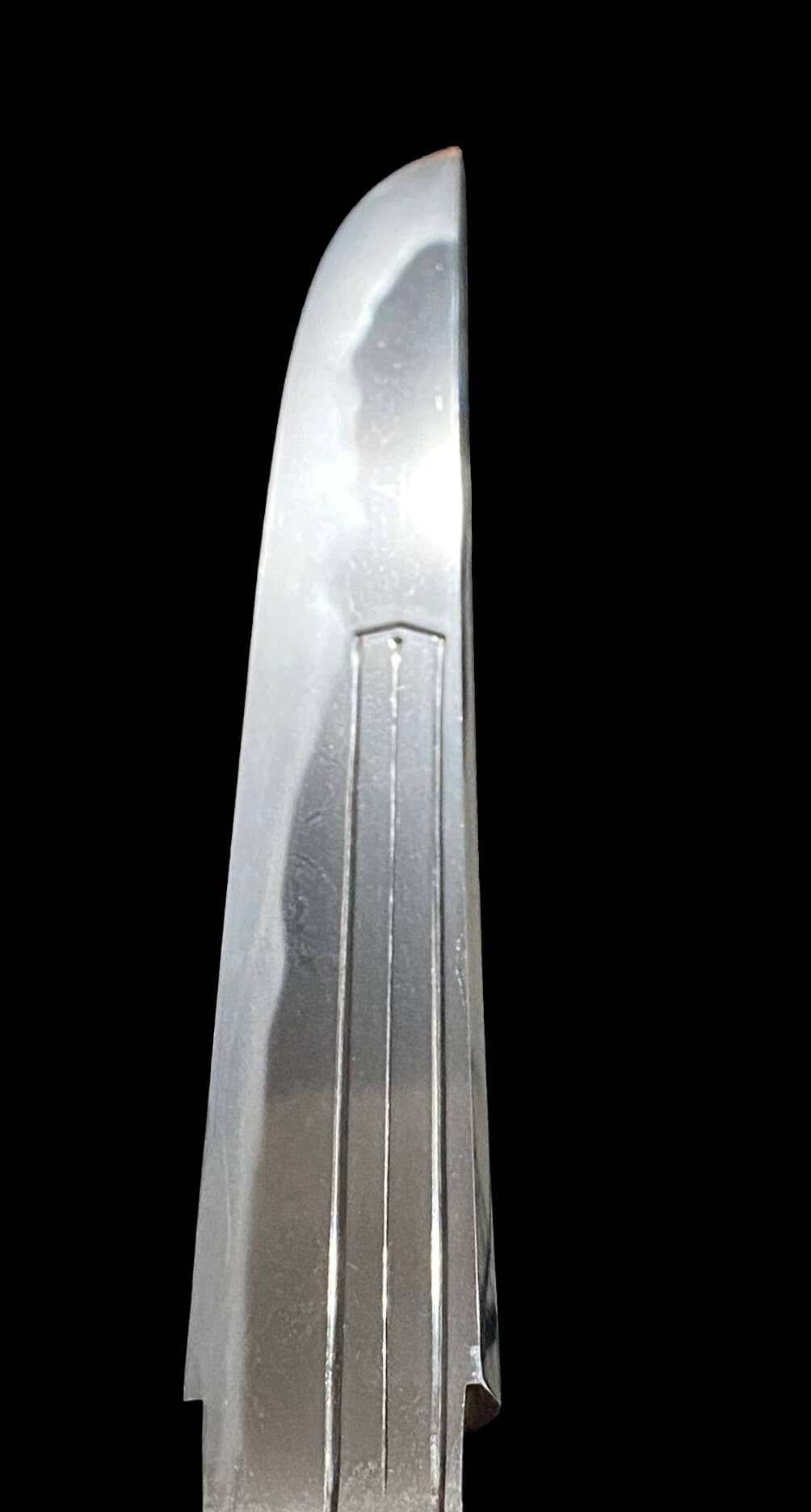
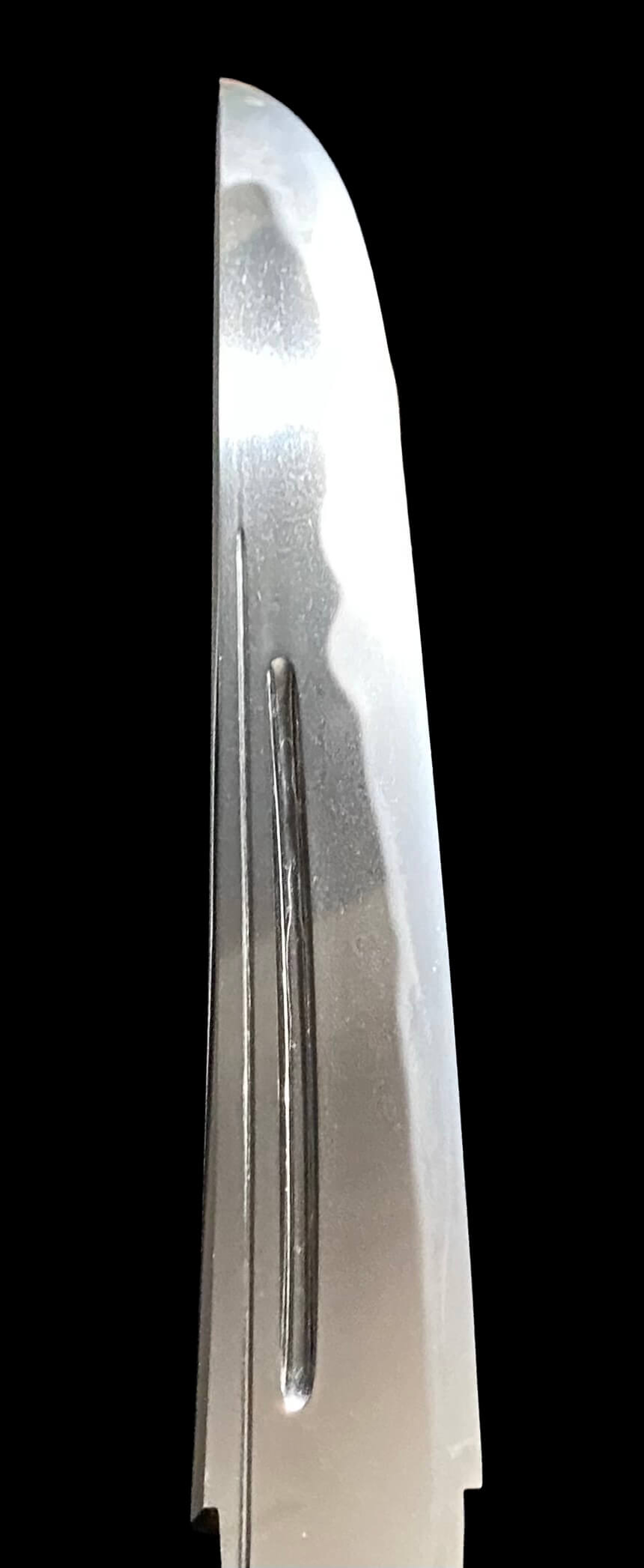
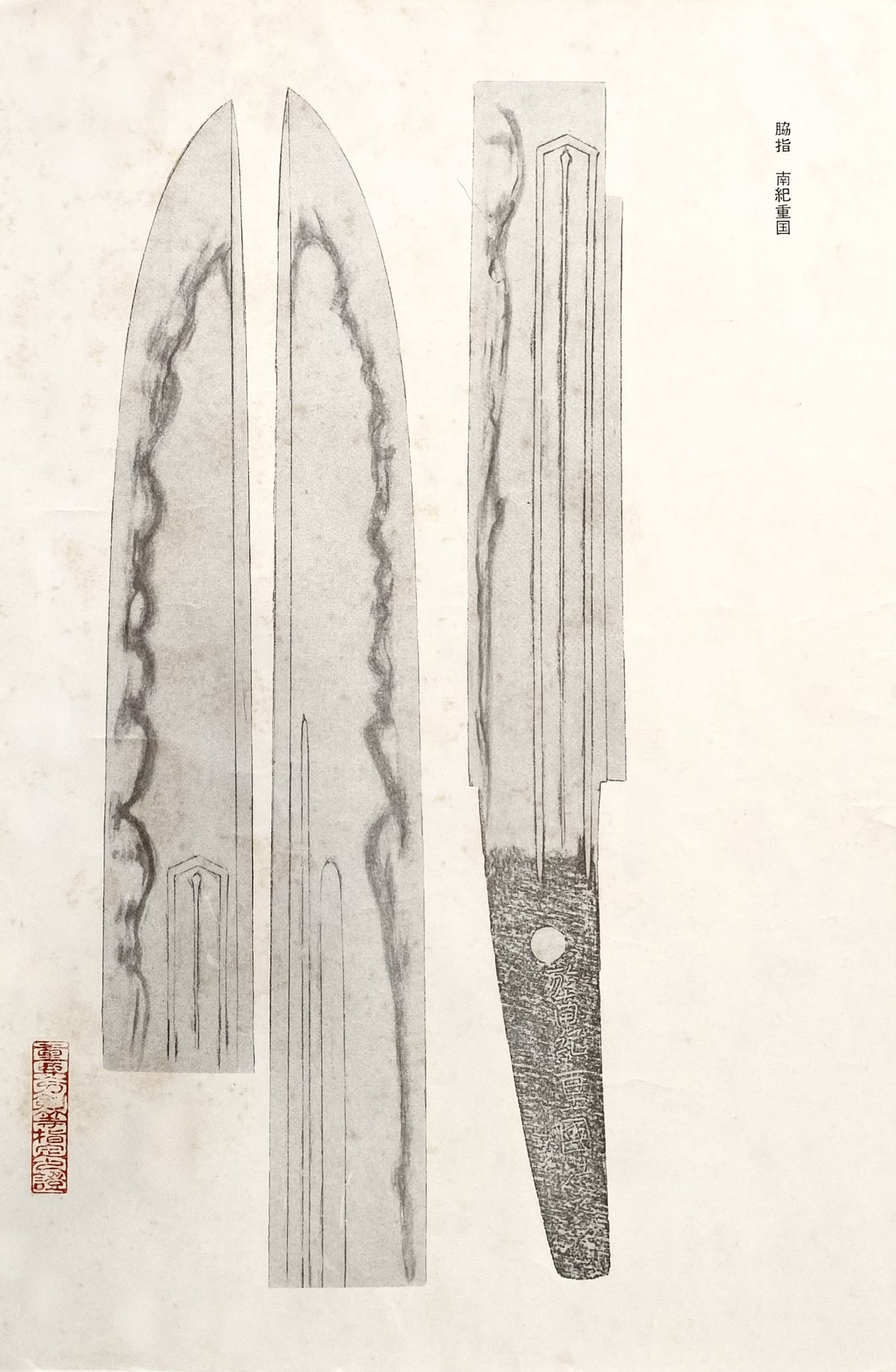
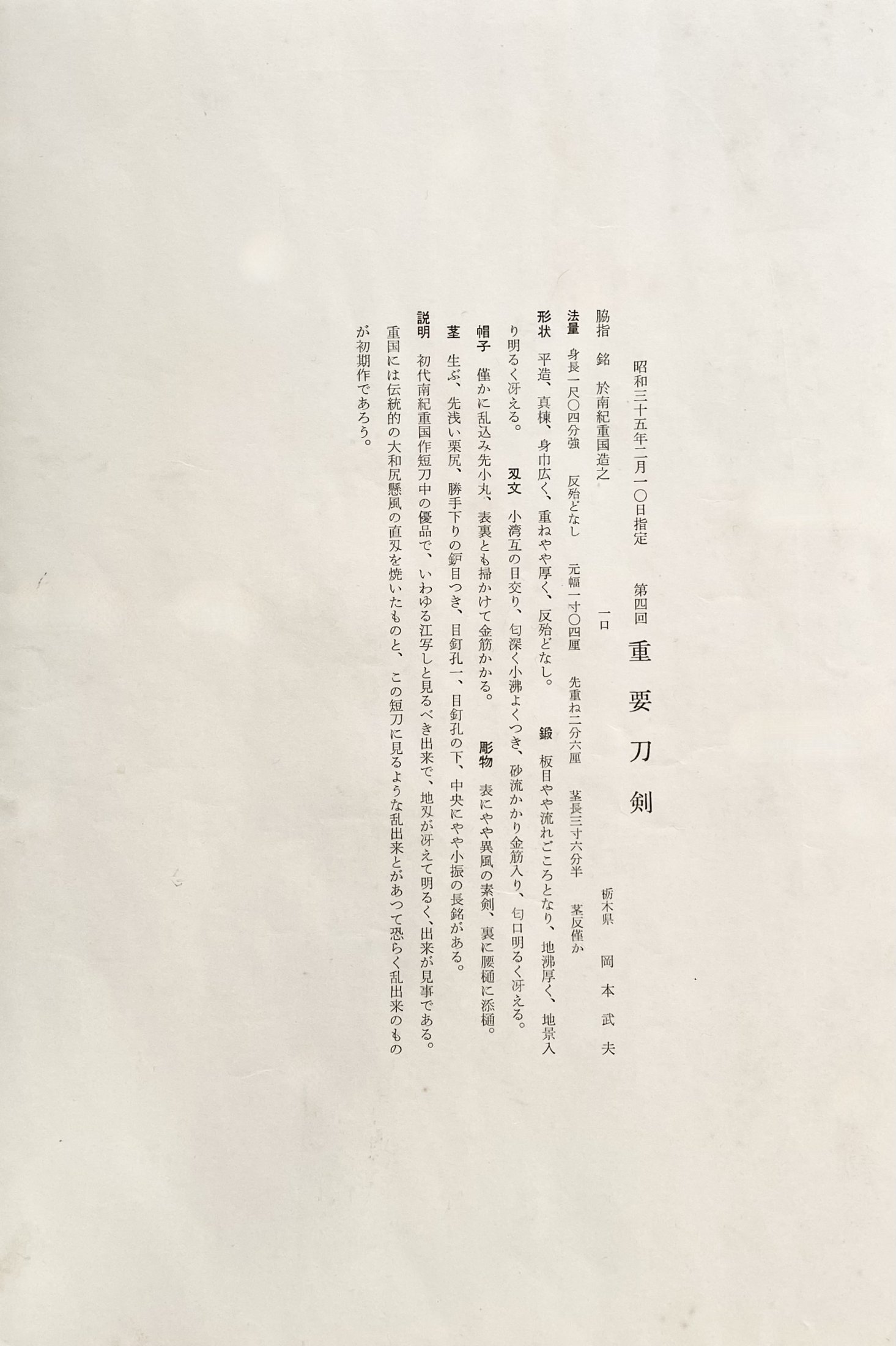
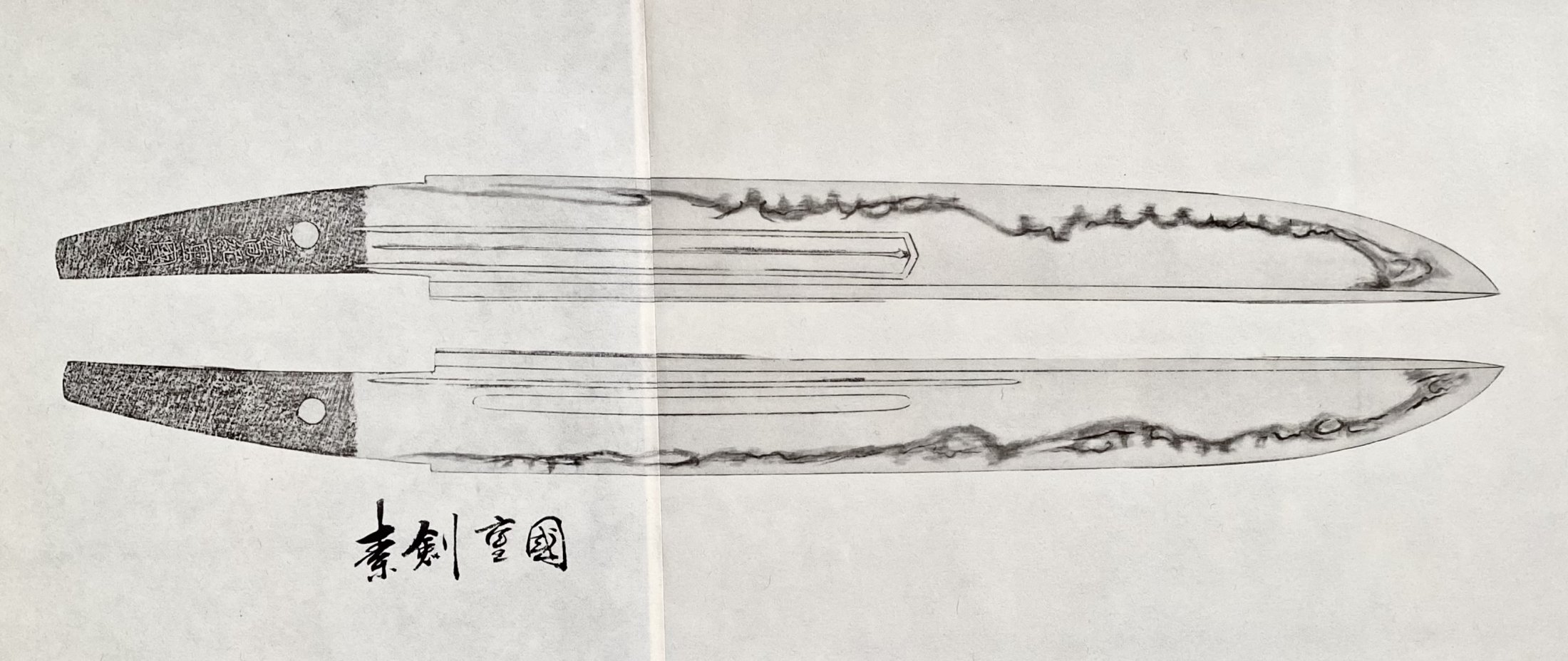
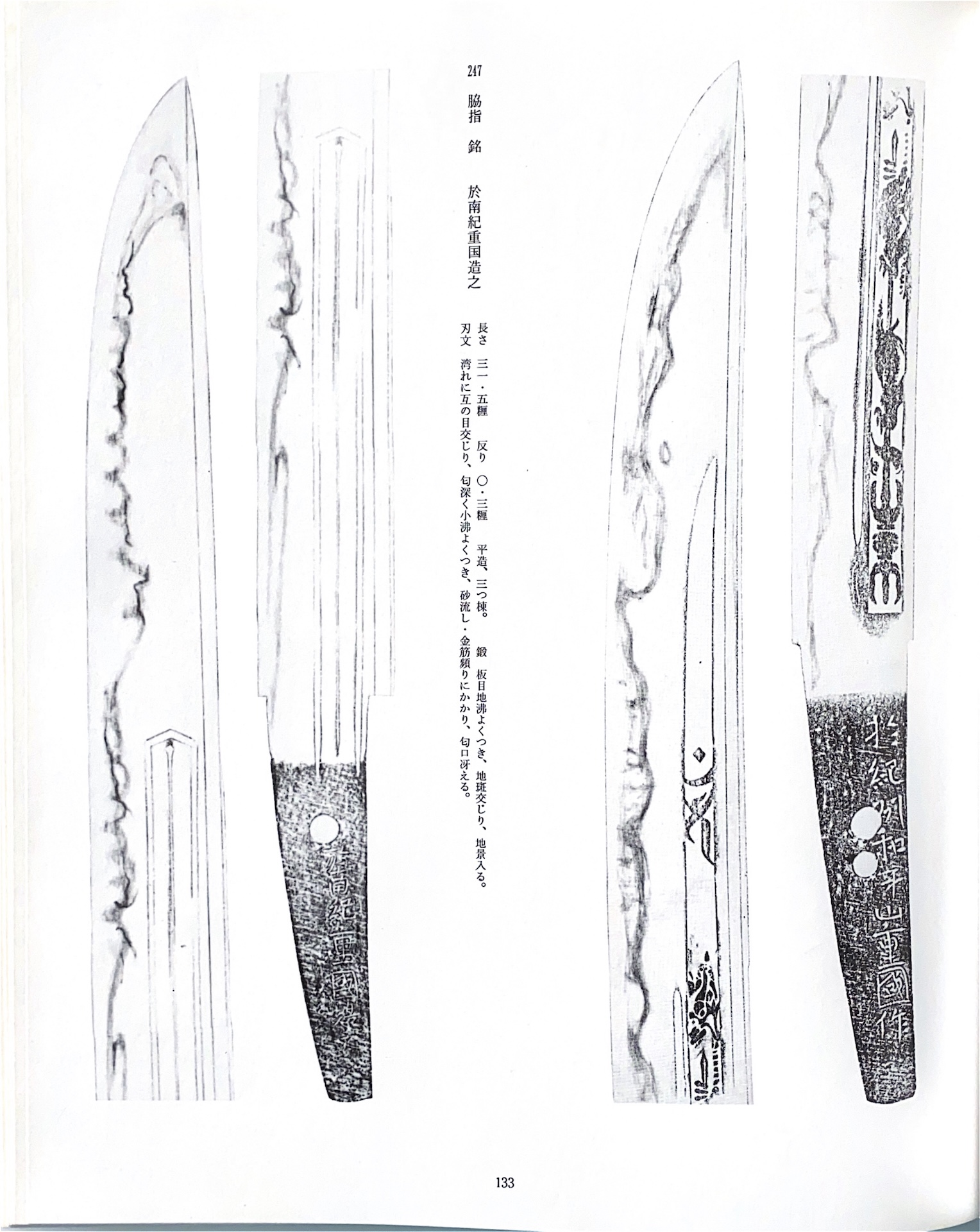
This sunobi tantō is hira-zukuri, with a broad blade, slightly thick kasane, and virtually no curvature, giving it a distinctive shape. It features an unusual sūken carving on the front, a koshi-hi, and an accompanying soe-hi on the back. The tightly forged itame-hada has a slightly flowing character and a bright, almost luminous appearance, with abundant chikei throughout the ji. The hamon has a bright nioiguchi and consists of a richly varied, slightly undulating gunome-midare. Larger nie mingle with smaller nie, while kinsuji and fine sunagashi appear repeatedly throughout, creating such absorbing workmanship that one can easily lose track of time while admiring it. Although the blade is in the Sōshū tradition, perhaps Shigekuni modeled this blade after the work of Gō.
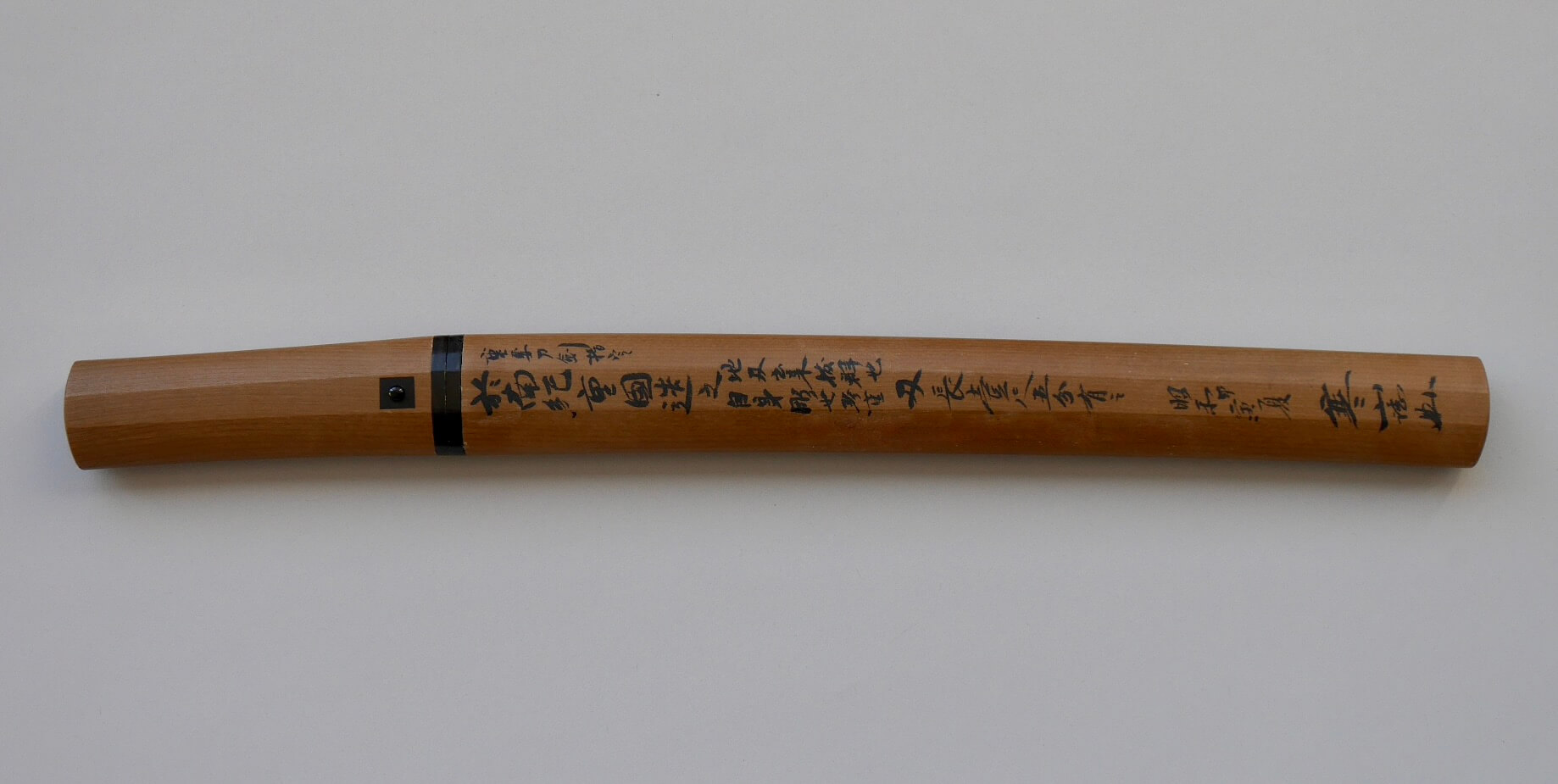
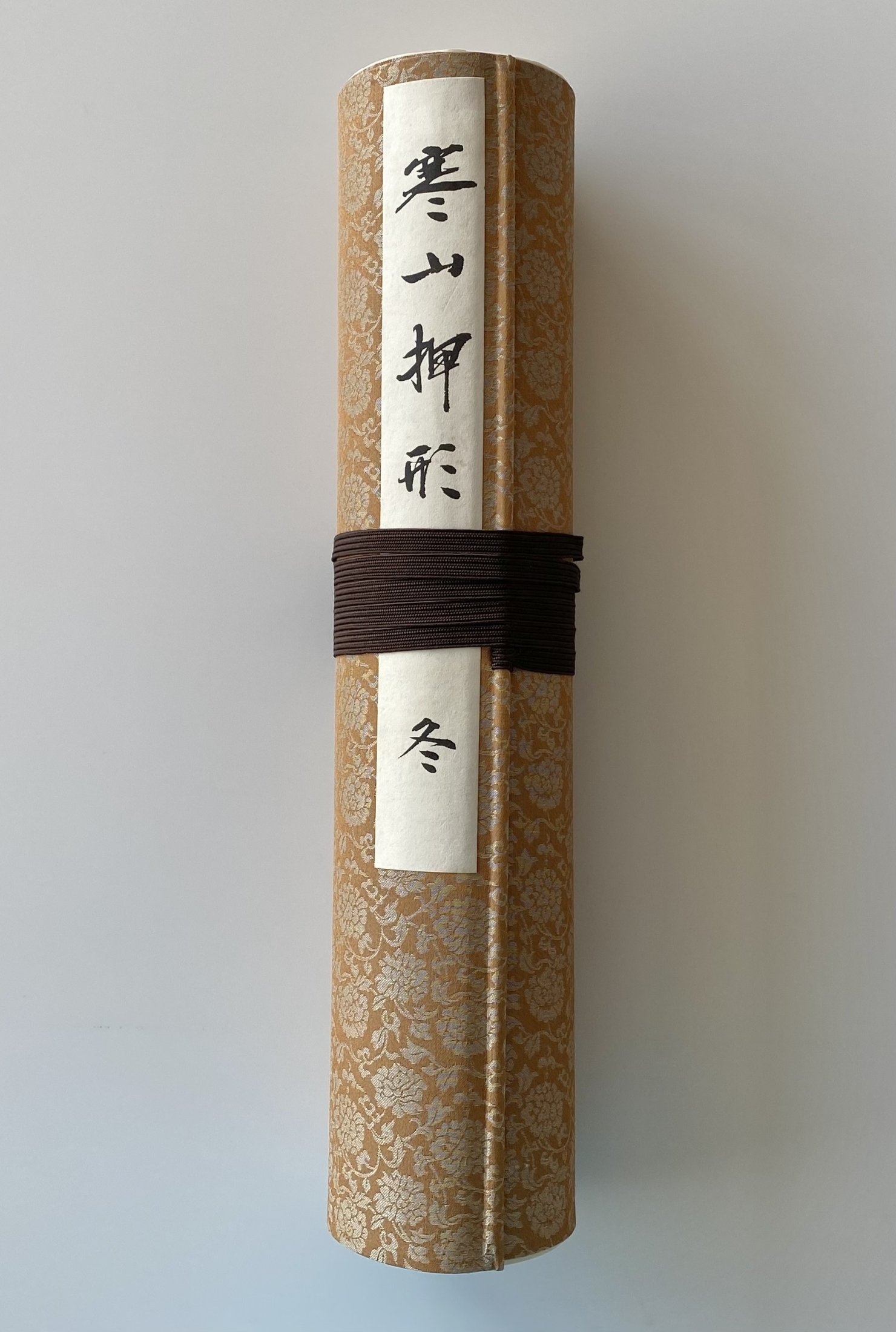
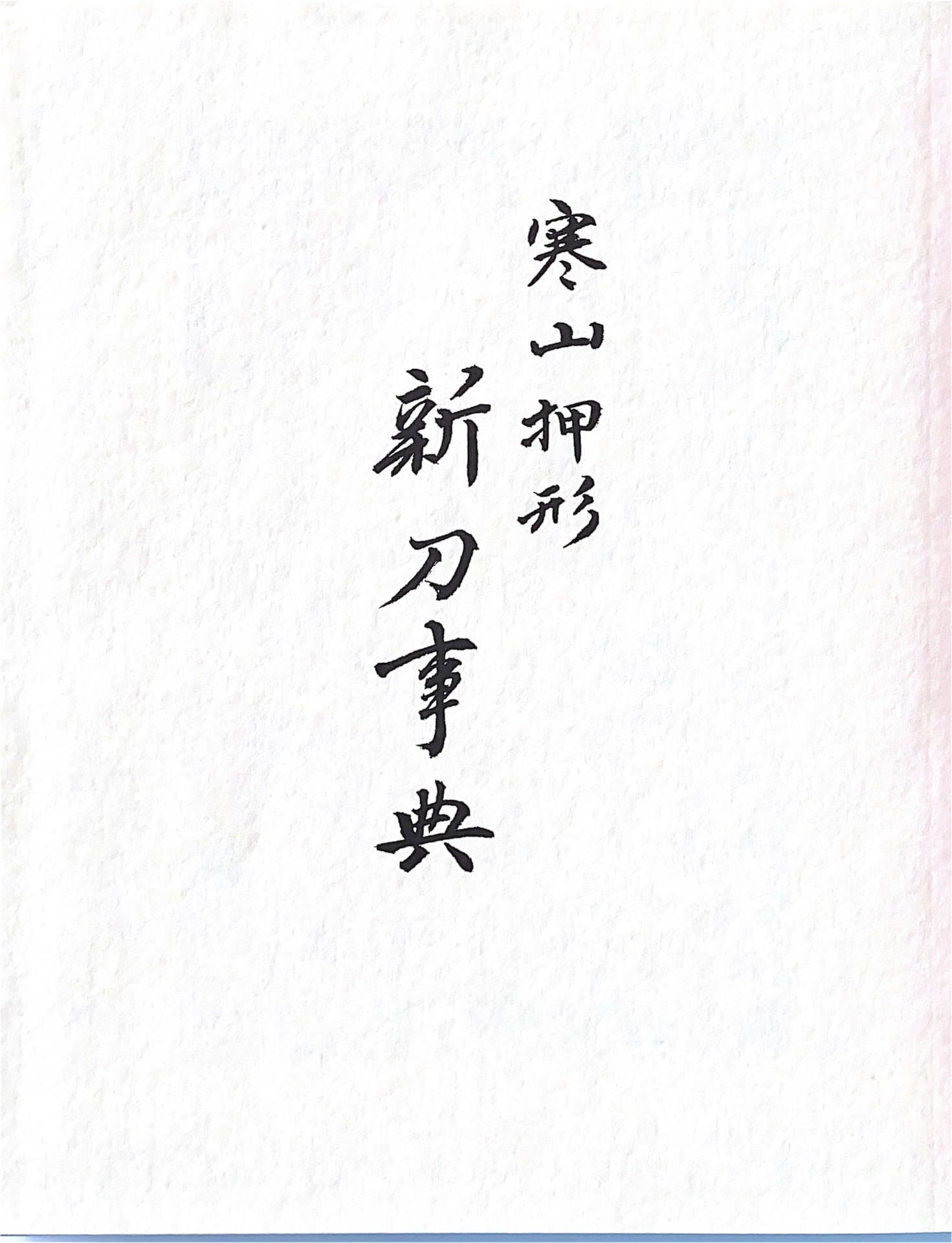
Several celebrated tantō by Shigekuni, forged during his time in Suruga and bearing lengthy signatures, are known. However, rather than selecting any of these, Dr. Satō Kanzan chose this tantō for inclusion in Kanzan Oshigata (寒山押形), considering it the finest of Shigekuni’s works, and gave it the name “Sūken Shigekuni.” Although Shigekuni also produced magnificent blades in the Sōshū tradition, this tantō stands out for its exceptional state of preservation, dignity, and quality of workmanship.
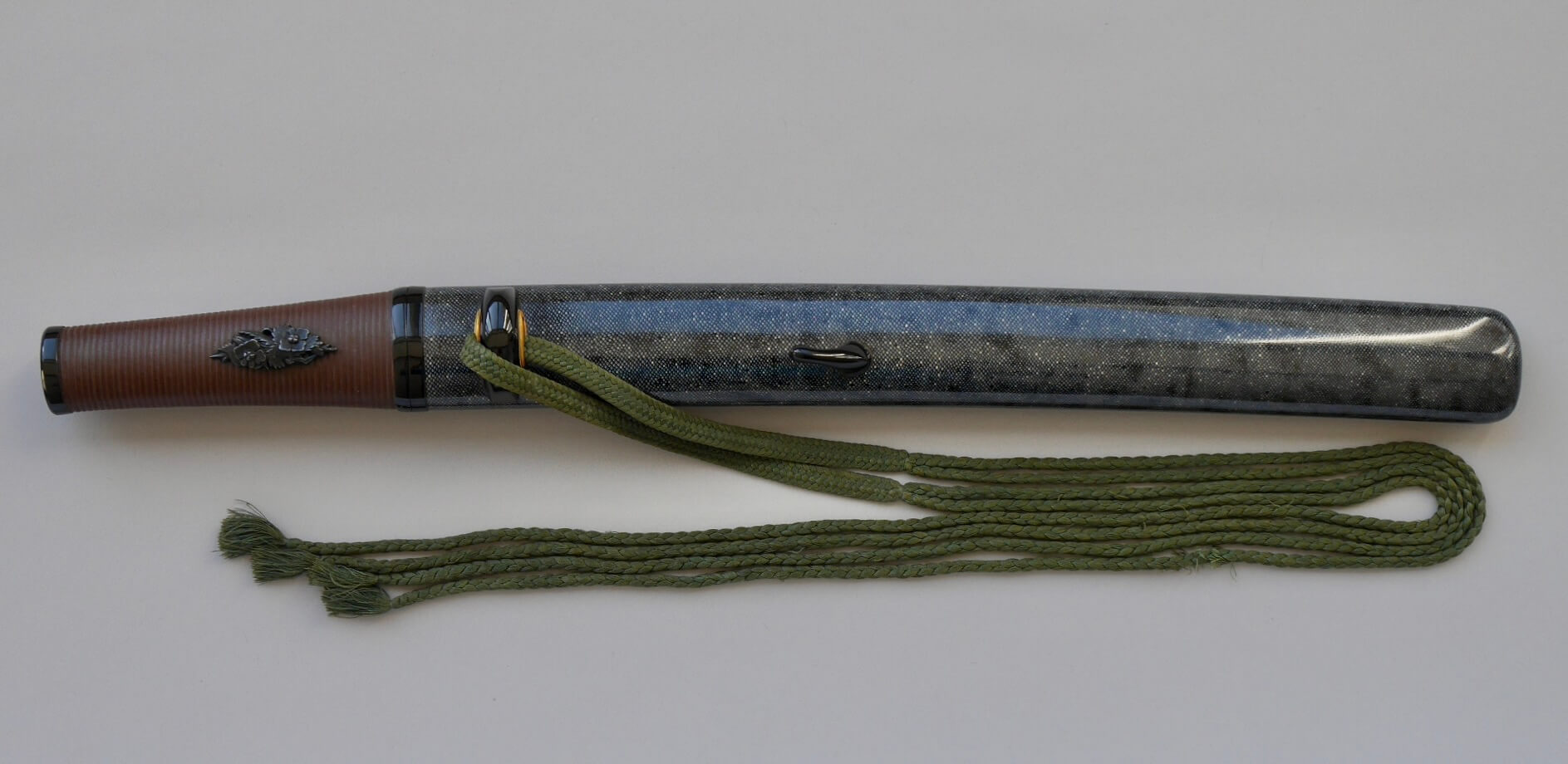
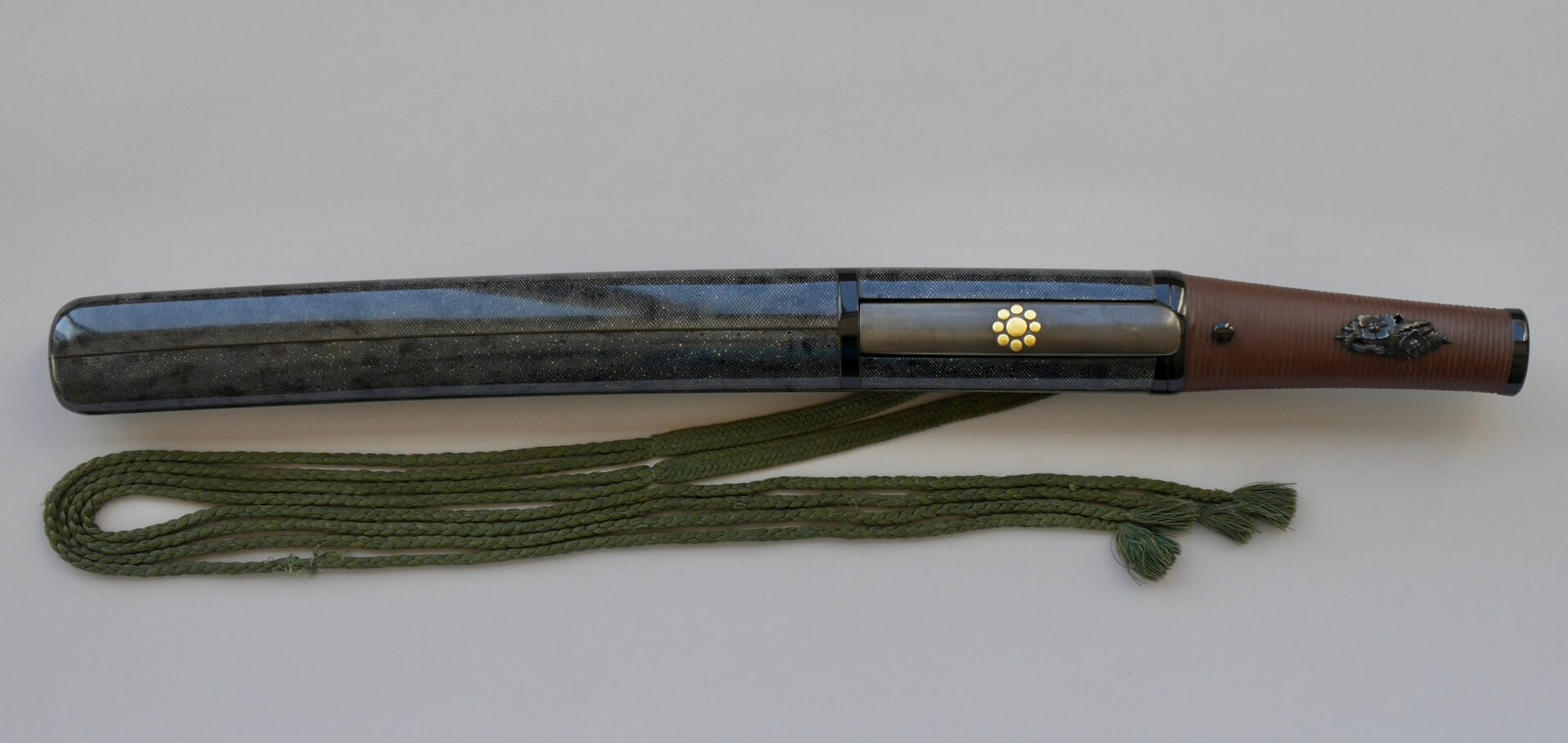
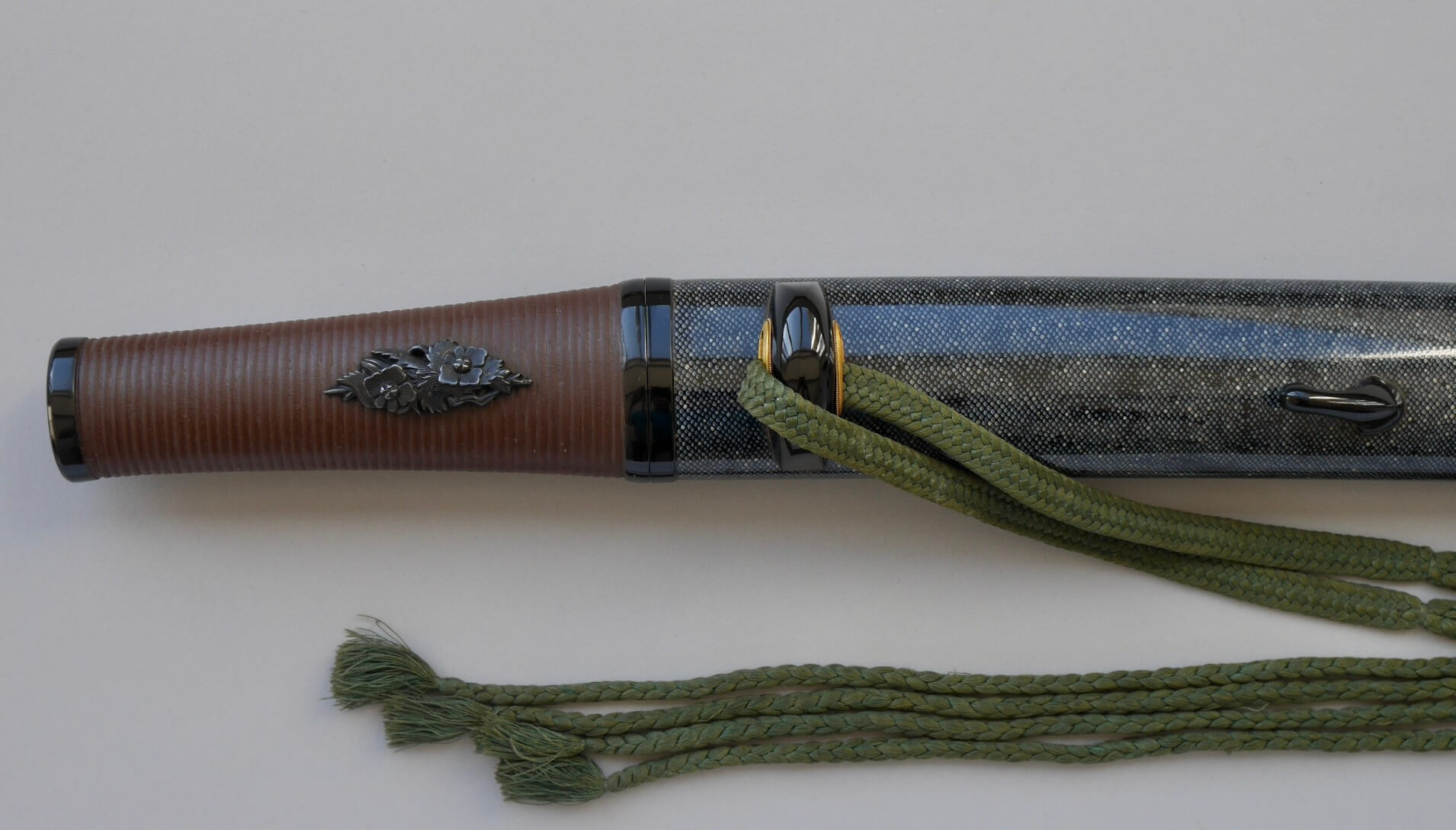
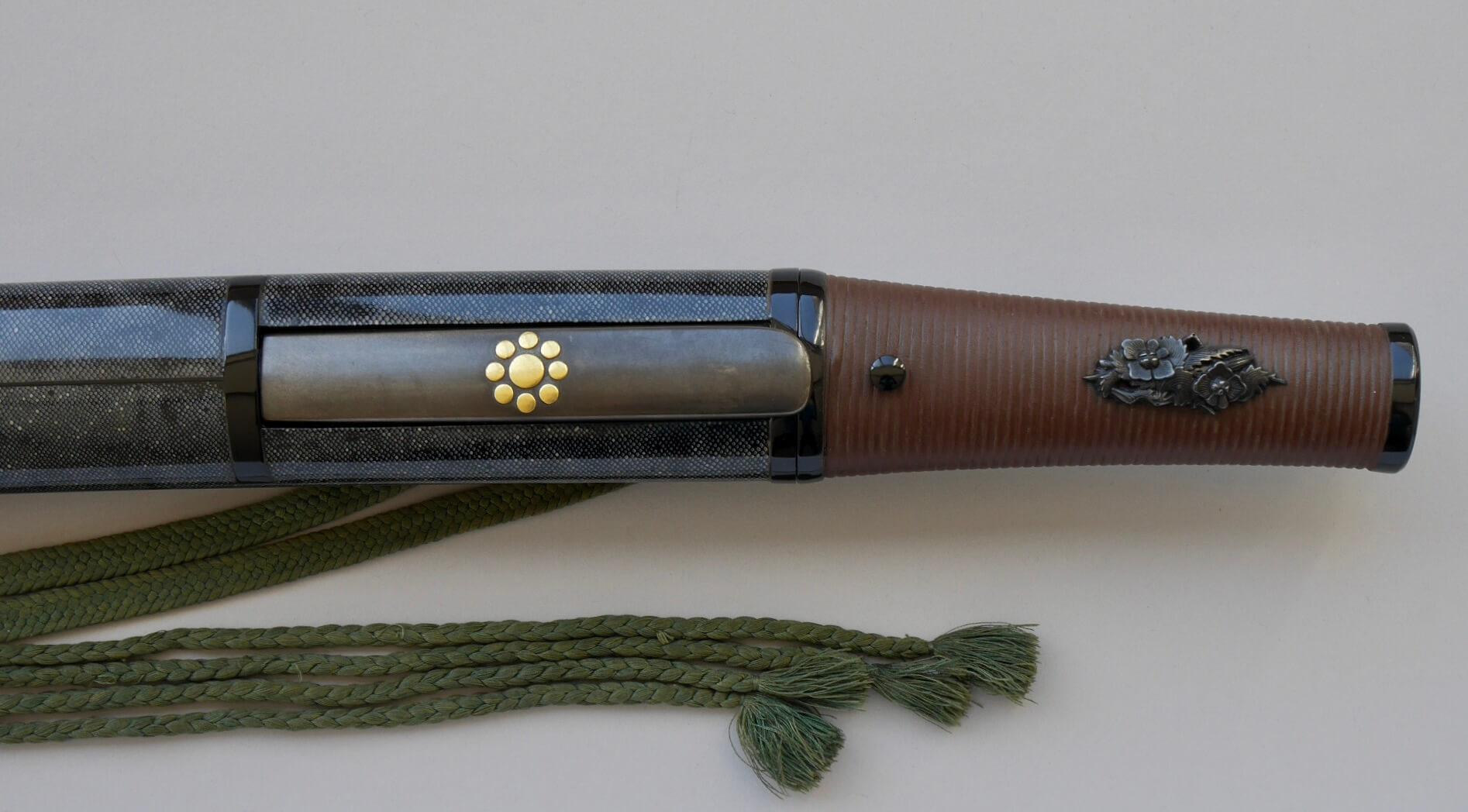
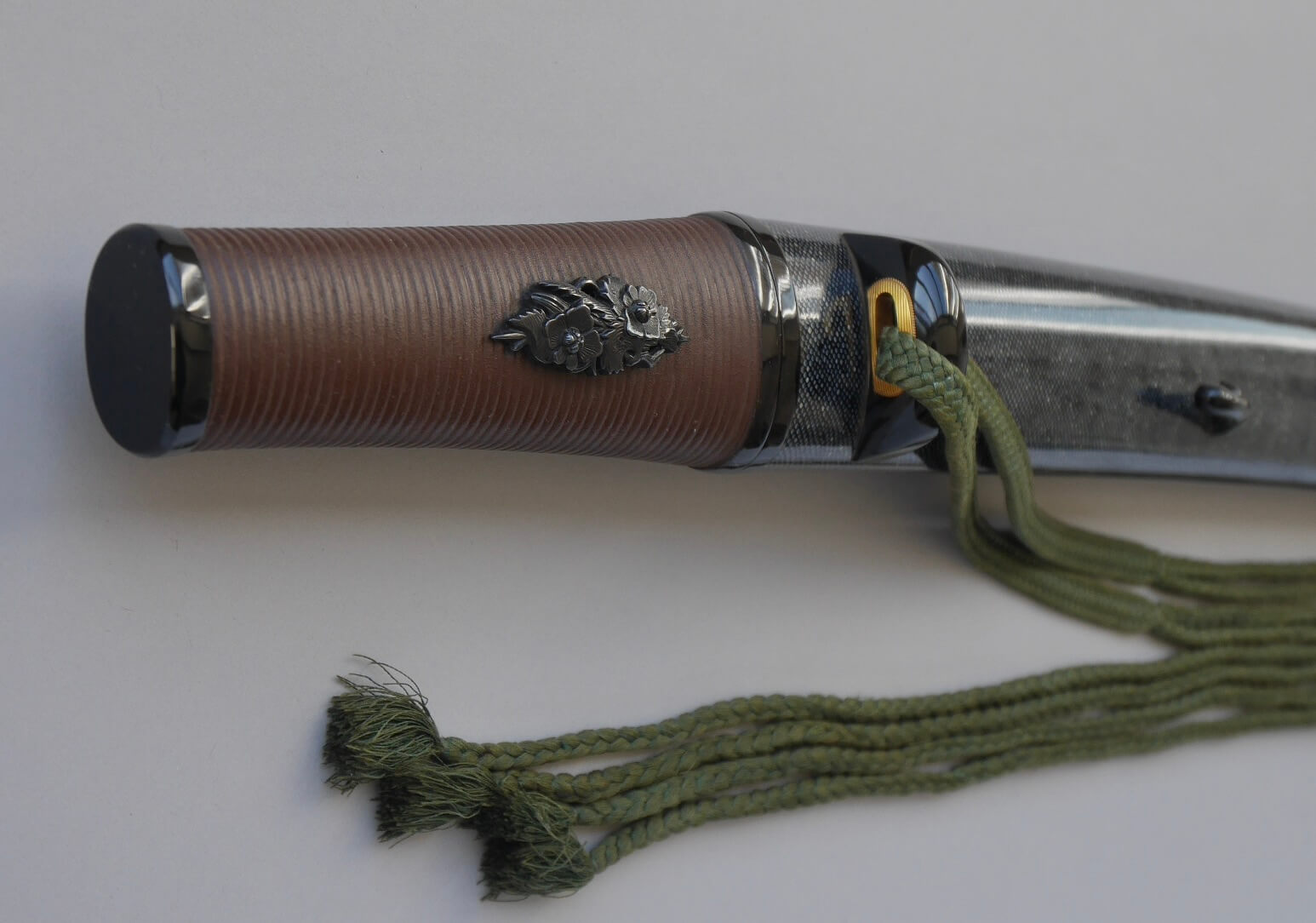
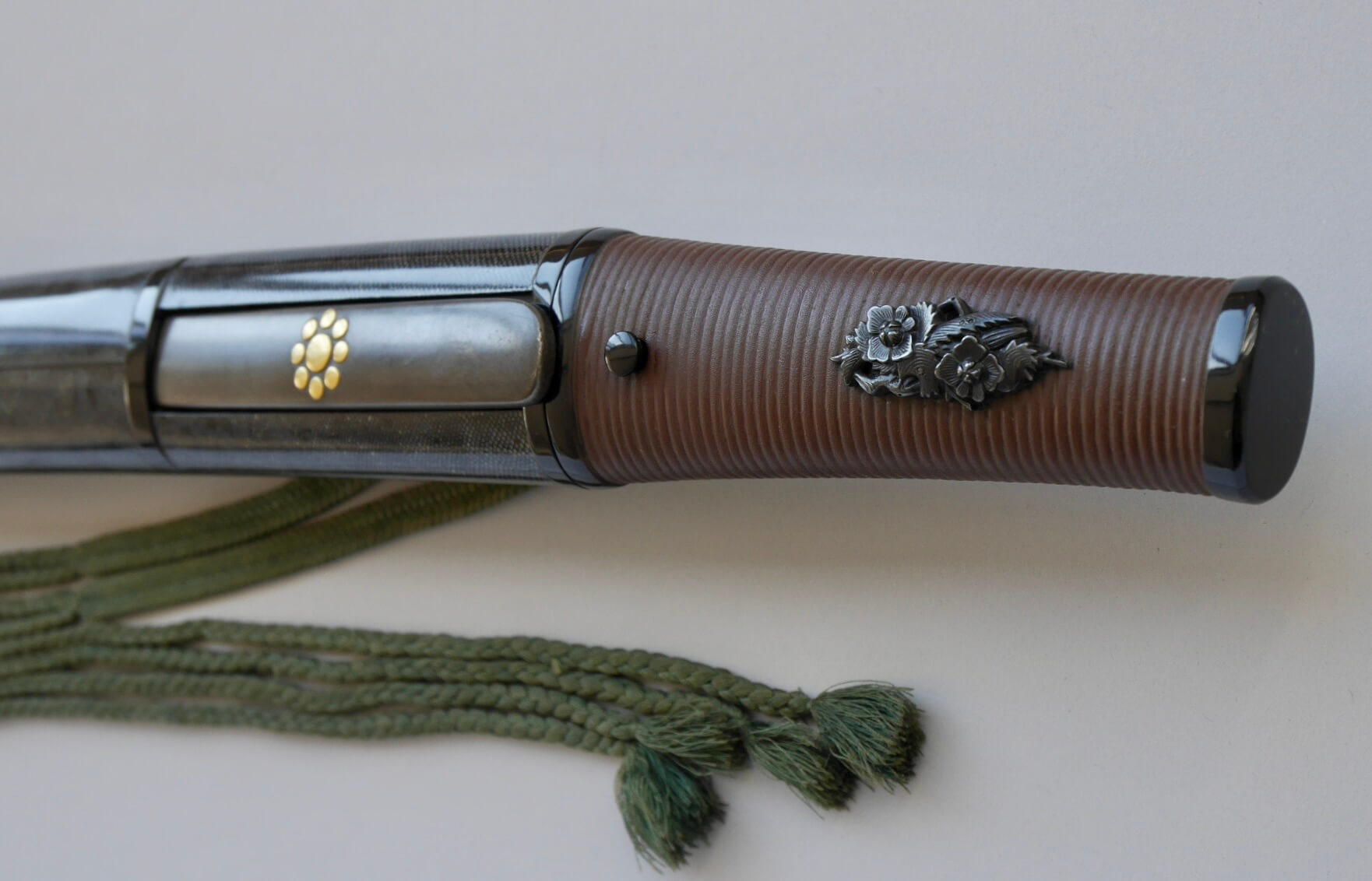
Brown-Lacquered Tsuka and Aizame-zaya Aikuchi Goshirae
This Higo-style aikuchi goshirae was newly made with reference to the proportions of the mounting for “Horinuki Morimitsu”, a treasured sword of Hosokawa Sansai. Around the Tenshō period, the kurikata on mountings used by Sansai was positioned close to the koiguchi, but such koshirae are difficult to find today.
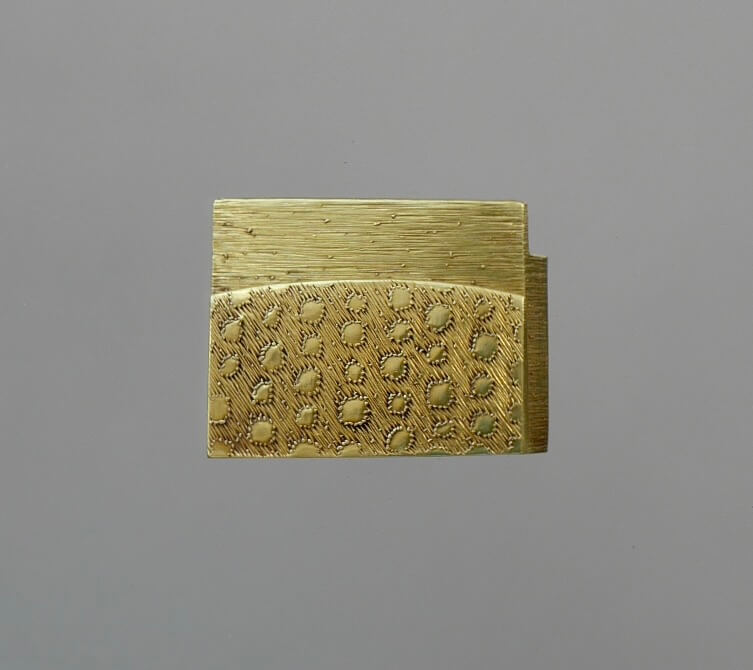
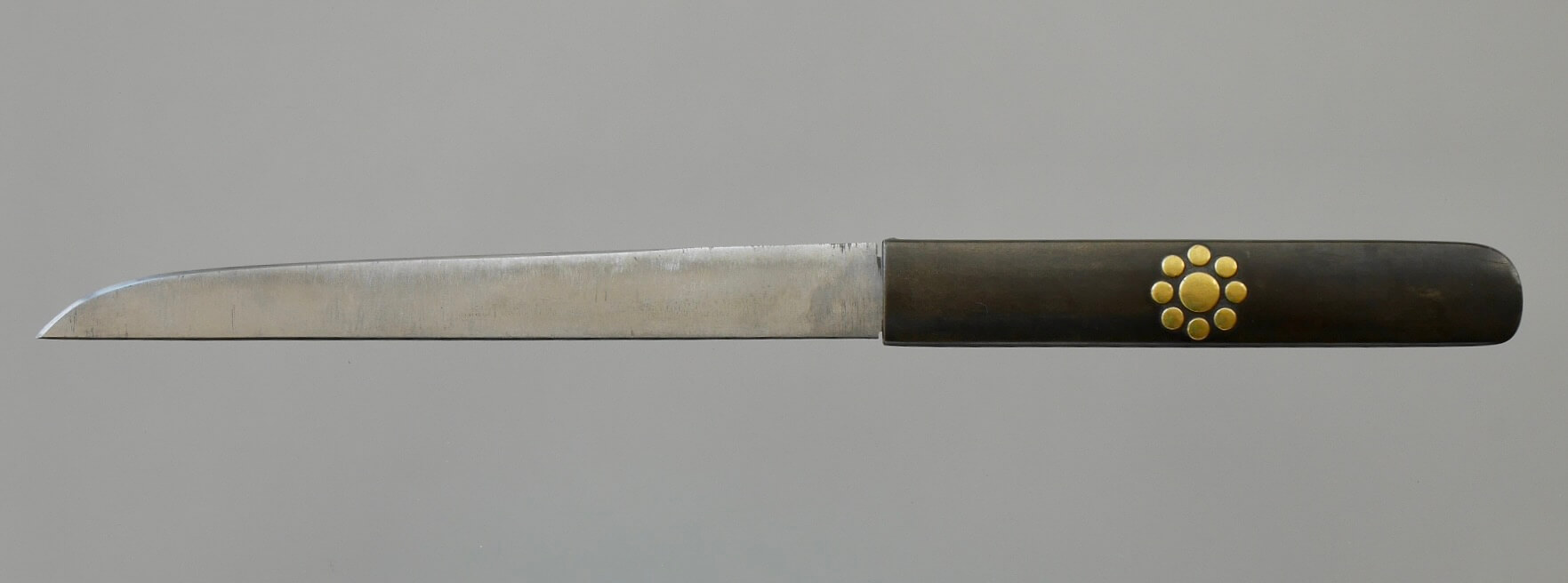
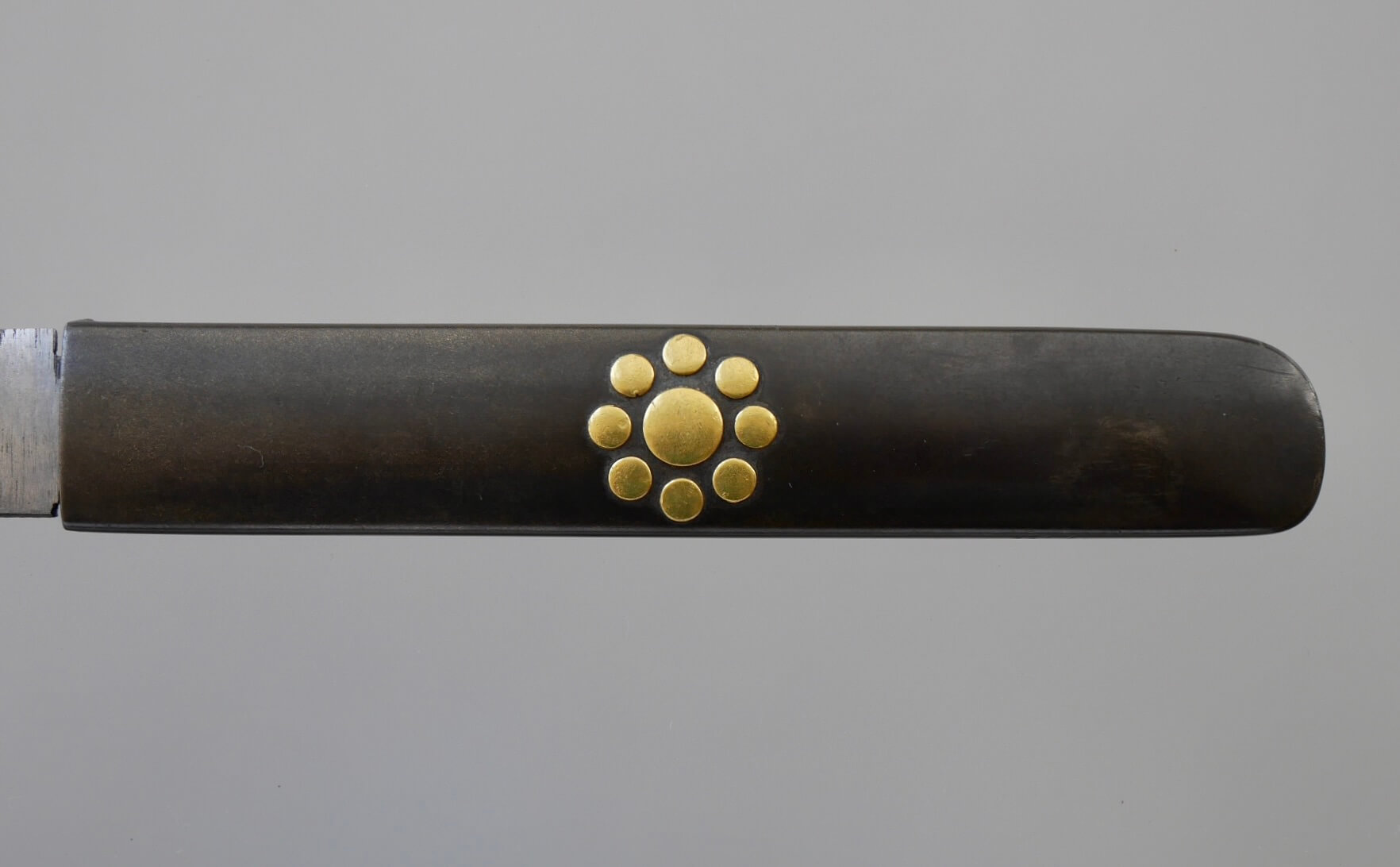
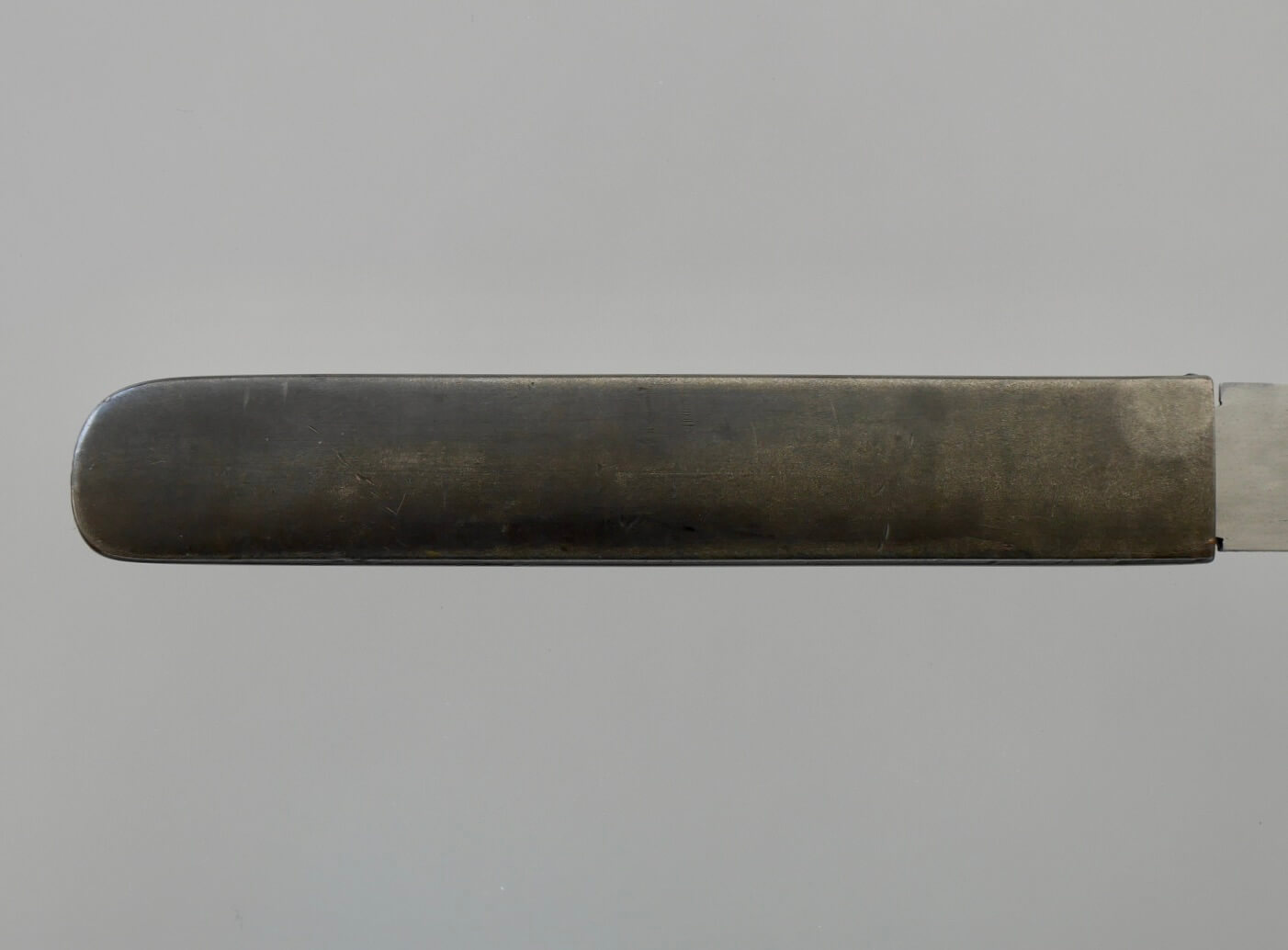
The scabbard is finished in polished aizame (dwarf gulper shark), while the hilt is wrapped in leather and coated with brown lacquer. The mounting incorporates menuki by the Gotō family and ō-kozuka by the second-generation Nishigaki Kanshirō Nagahisa. The kurikata and shitodome are made of solid gold, and the mounting is completed with a period sageo, giving it a dignified and refined appearance.