
2026 Dai Tōken Ichi (Part 1): Jūyō Tōken Sunobi Tantō by Nanki Shigekuni and Brown-Lacquered Tsuka and Aizame-zaya Aikuchi Goshirae
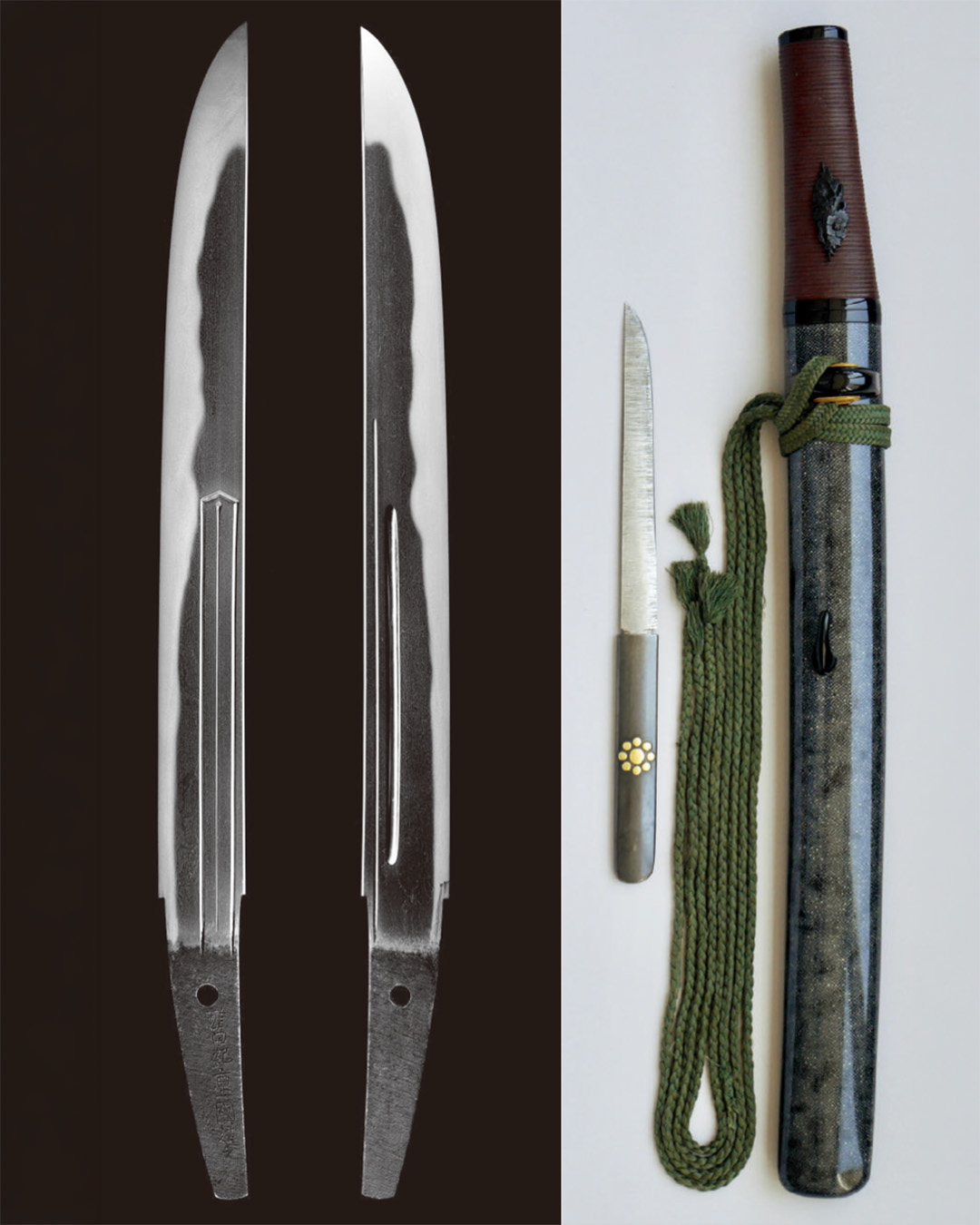
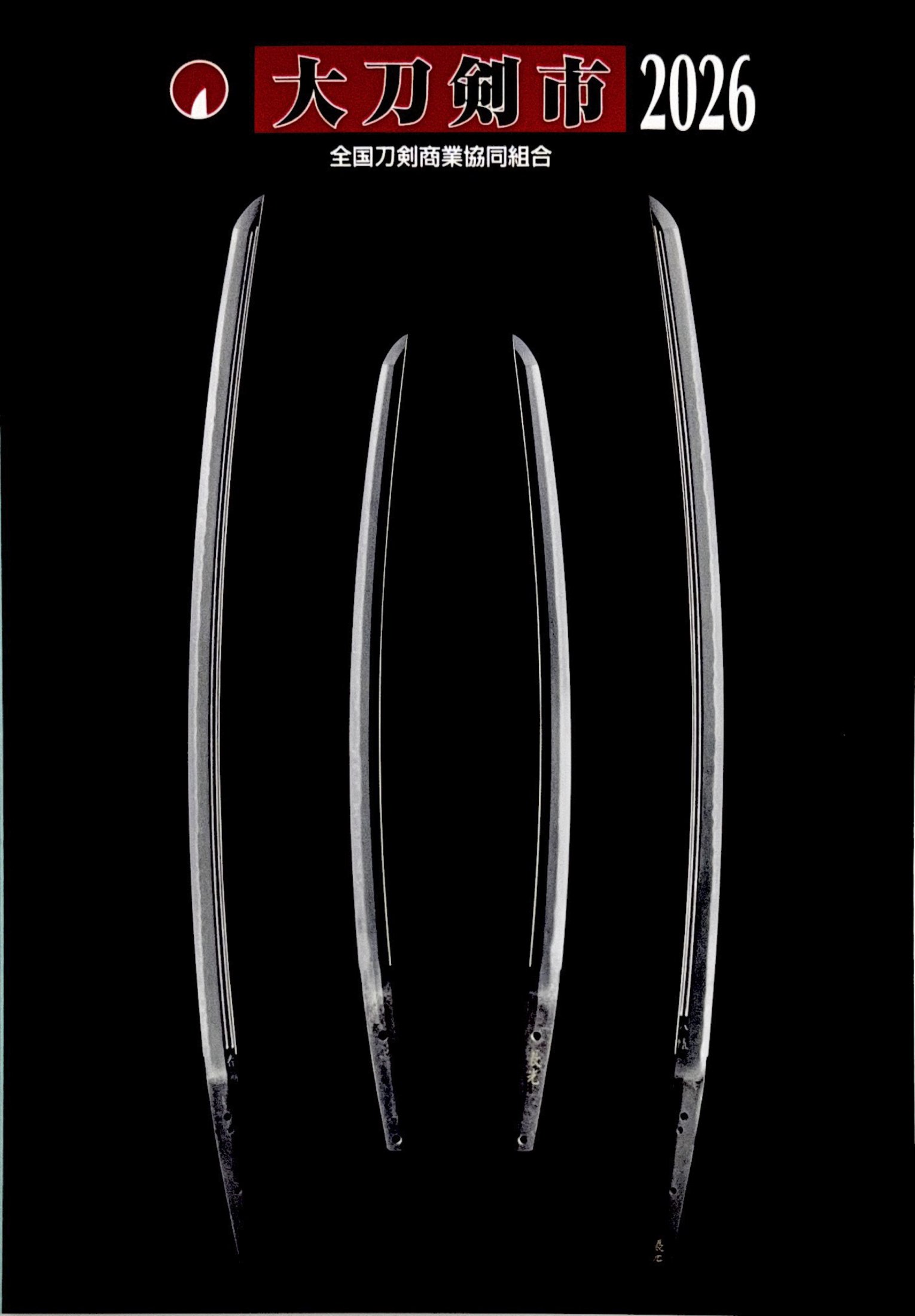
Gallery youyou is pleased to announce our participation in the 2026 Dai Tōken Ichi, to be held on November 21 and 22, 2026, at Tokyo Bijutsu Club.
This year’s catalogue features a remarkable selection of works, including a Jūyō Tōken sunobi tantō by Nanki Shigekuni, accompanied by a brown-lacquered tsuka and aizame-zaya aikuchi goshirae; Jūyō Tōsōgu by Hirata Hikozo and Nishigaki Kanshirō; a sword rack designed to hold seven swords, formerly belonging to the Nanbu family, decorated in maki-e with the Nanbu family crest of two facing cranes bearing kuyō mon on their chests, together with interlocking shippō and hanabishi patterns; and a sword rack designed to hold five swords from the Date family, featuring roiro lacquer with maki-e designs of bamboo and two flying sparrows, kuyō and chrysanthemum mon, and arabesque patterns.
Each of these exceptional works reflects the refined aesthetic sensibilities and craftsmanship of its makers.
In this first article, we introduce the Sunobi Tantō by Nanki Shigekuni and its Aikuchi Goshirae.
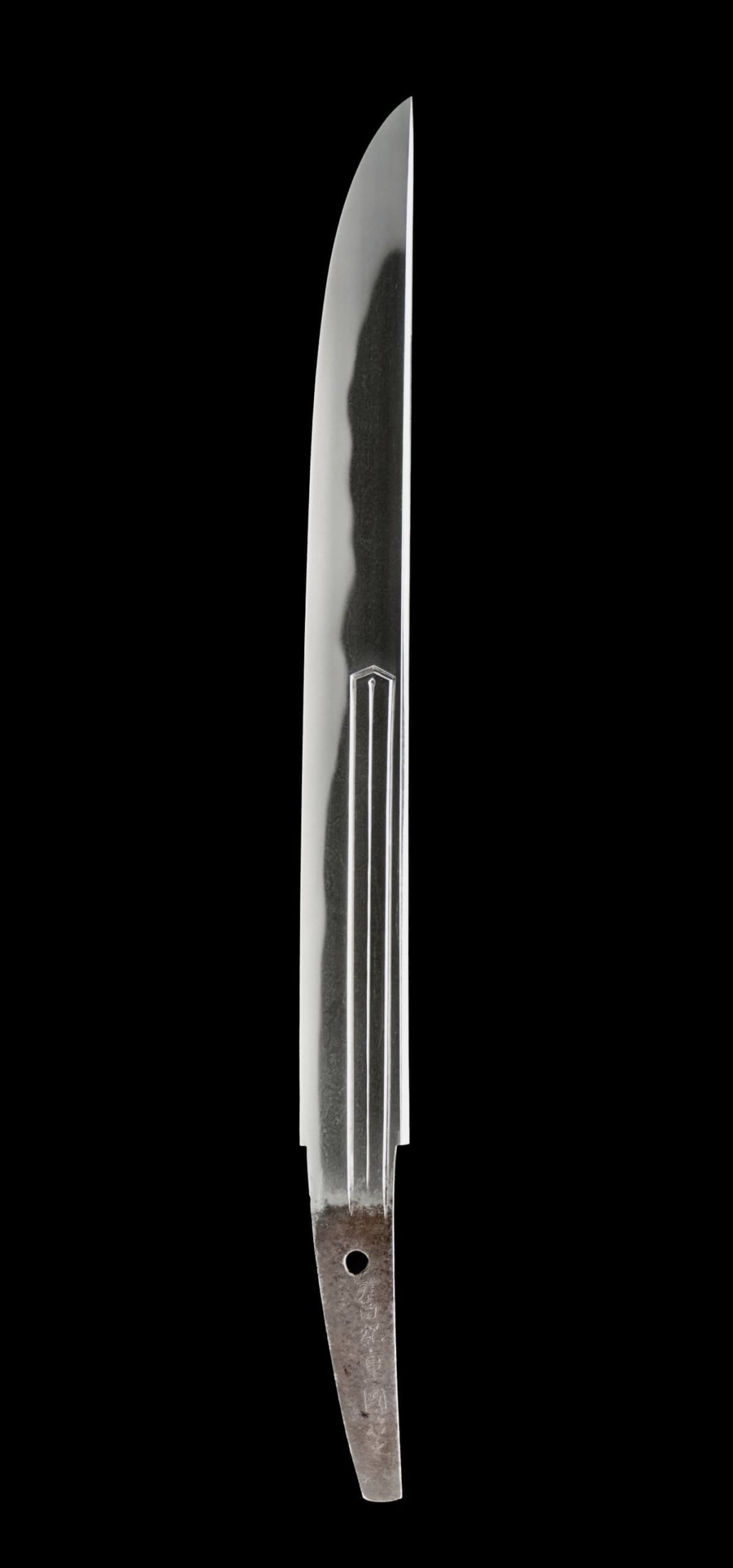
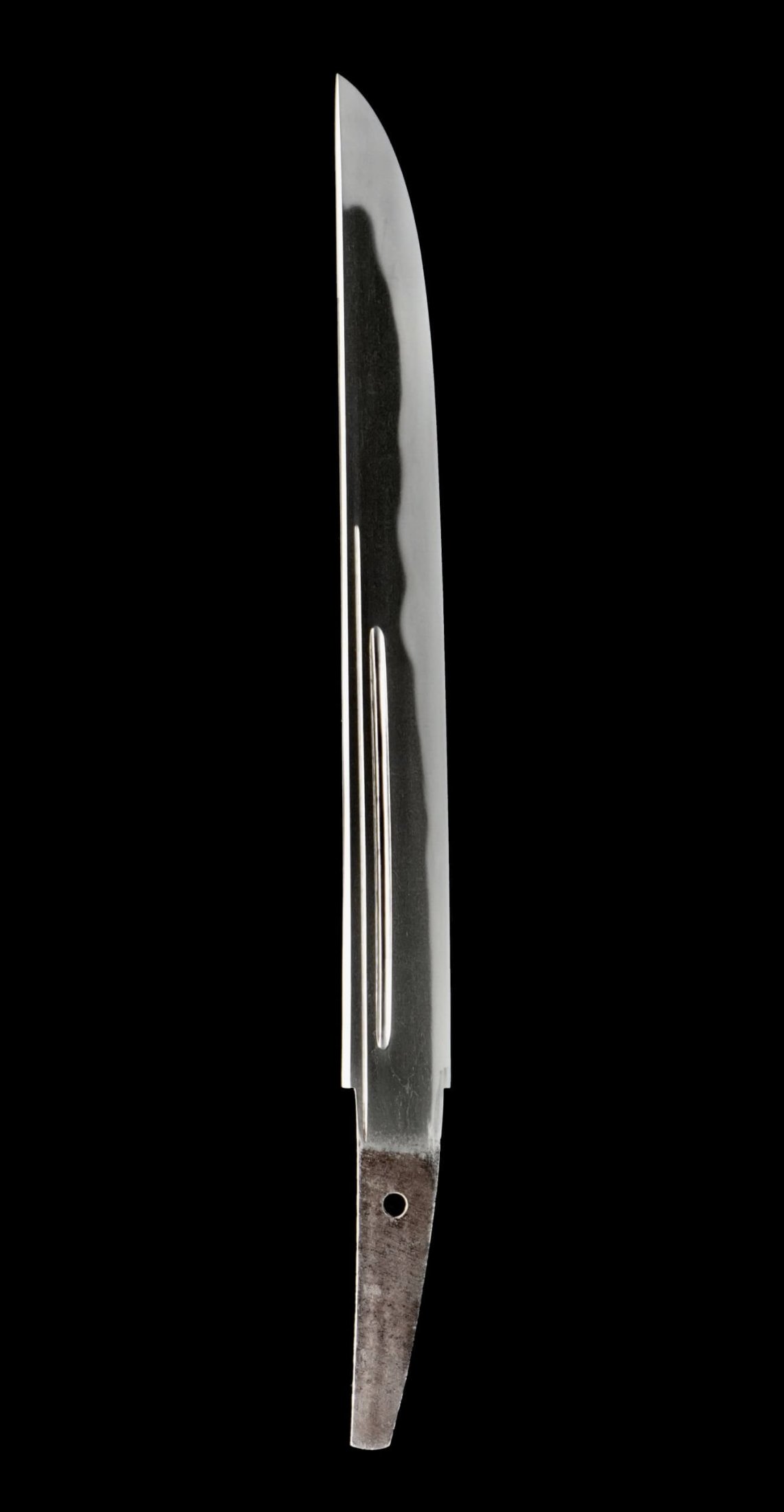
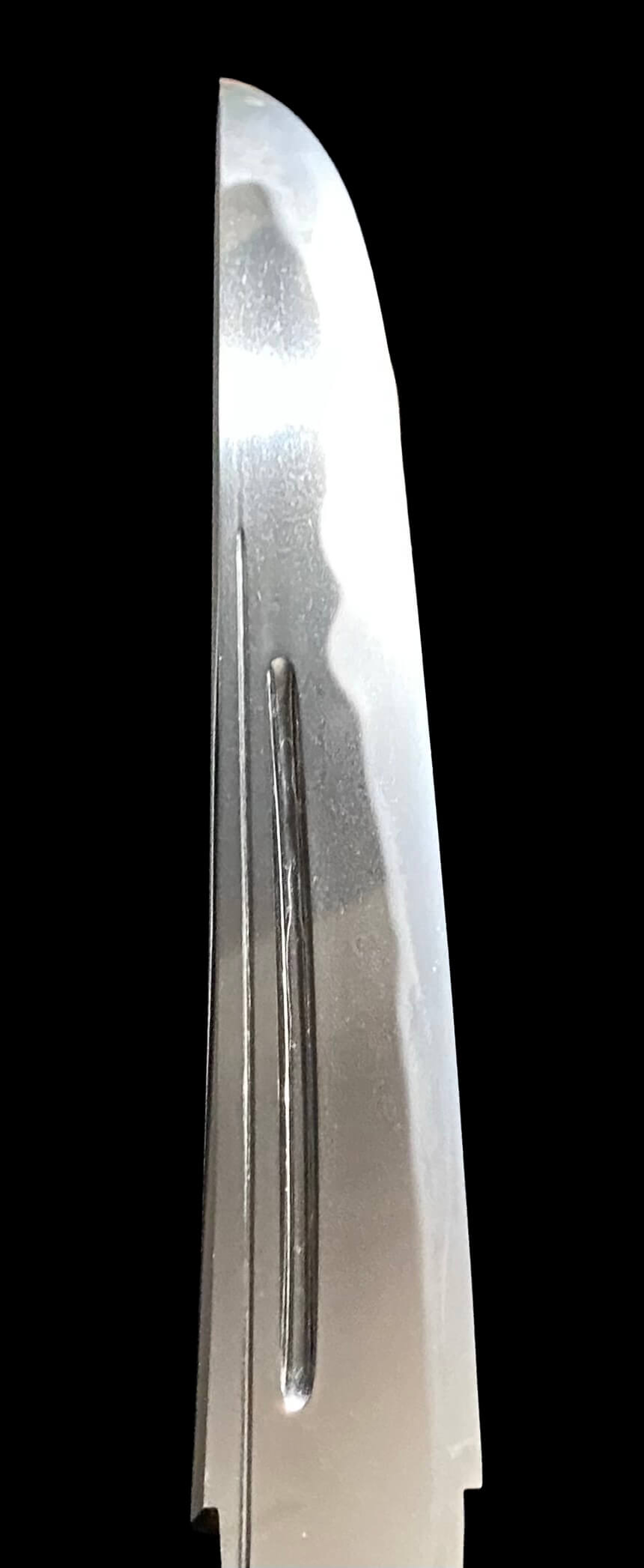
Jūyō Tōken Sunobi Tantō by Nanki Shigekuni
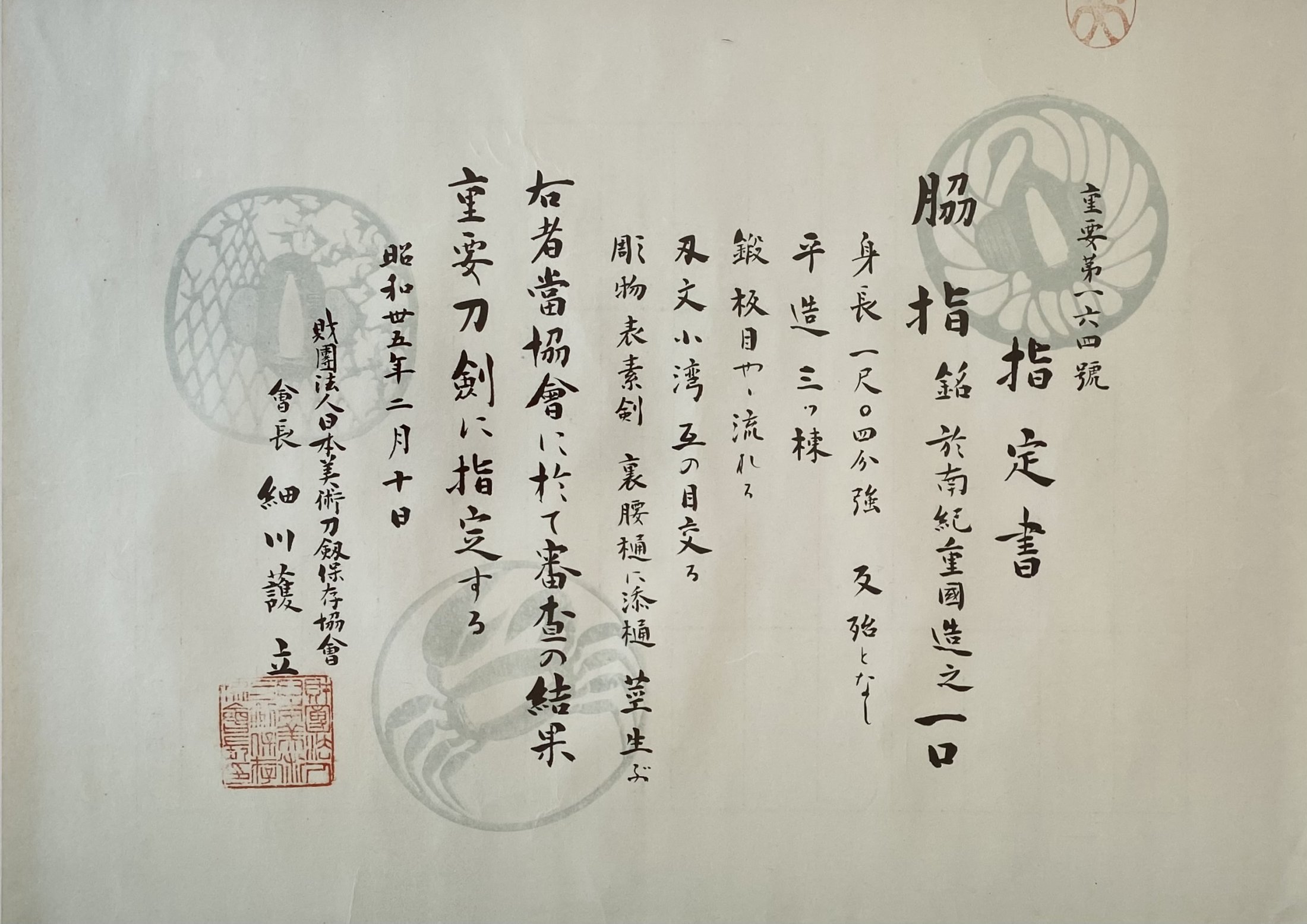
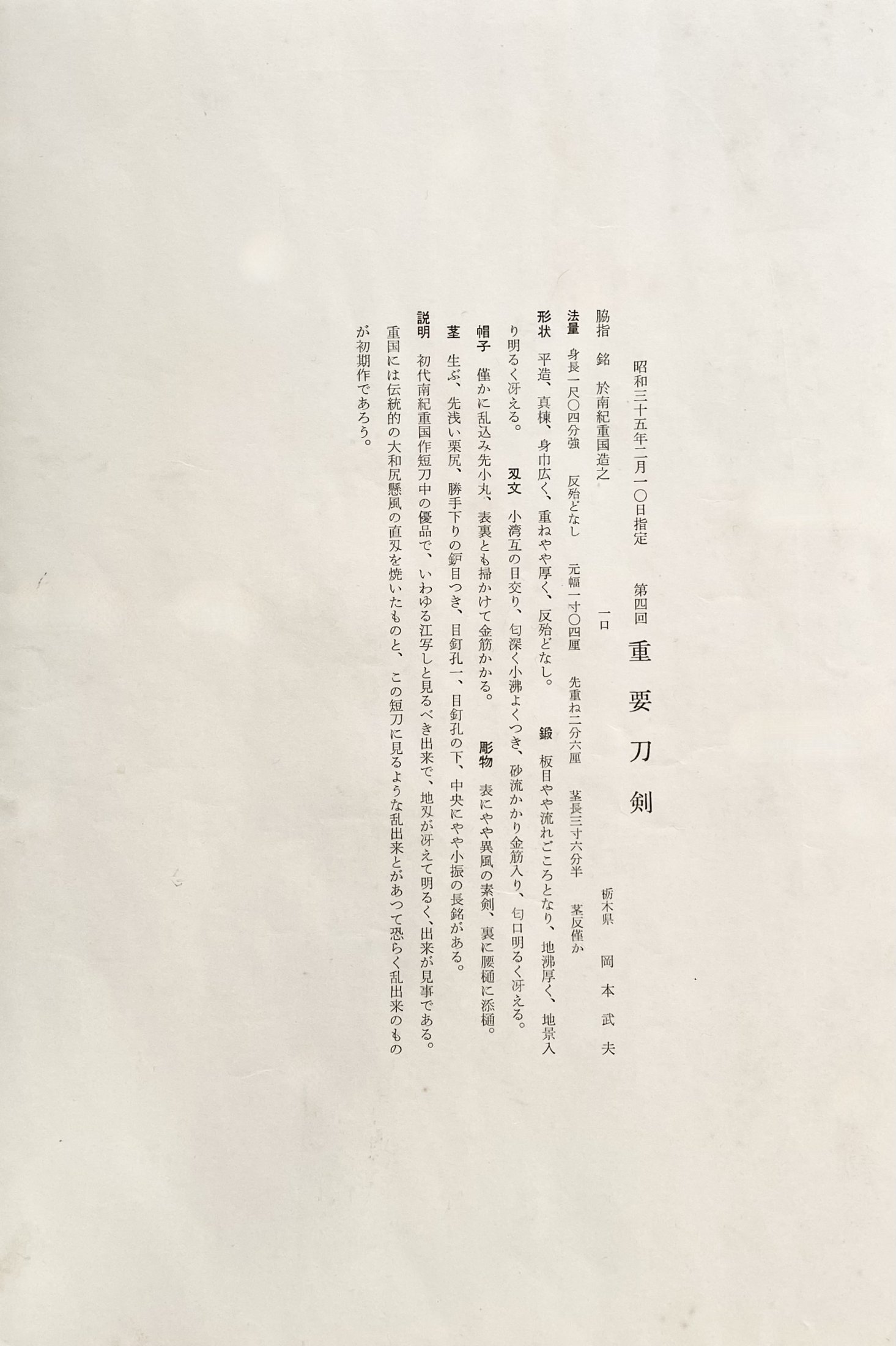
This tantō was forged by Nanki Shigekuni, one of the most celebrated swordsmiths of the early Shintō period. The blade is featured in the 4th Jūyō Tōken Zufu, accompanied by the following commentary:
“This is an outstanding tantō by the first-generation Nanki Shigekuni, and its workmanship may be regarded as being in the style of Gō. Both the jigane and hamon are bright and clear, and the overall workmanship is superb. Shigekuni’s works include those with suguha in the traditional Yamato-Shikkake style, as well as those with midareba, as seen in this tantō. It is likely that the blades with midareba represent his earlier works.”
Nanki Shigekuni originated from the Tegai school of Yamato Province, although the details of his early life remain unclear. During the Keichō era (1596–1615), he entered the service of Tokugawa Ieyasu and initially forged swords in Sunpu, Suruga Province.
After accompanying Tokugawa Yorinobu to Wakayama, Shigekuni primarily produced works in the Yamato tradition. However, many of his earlier works from his time in Suruga exhibit characteristics of the Sōshū tradition.
According to a historical account written in Bunkyū 2 (1862) by the eleventh-generation Shigekuni, the Kishū Tokugawa family presented a katana and wakizashi by Shigekuni to the shogunal family in Kan’ei 2 (1625), for which a reward was bestowed.
Characteristics
- Nagasa: 1 shaku 3 bu 9 rin (31.5 cm)
- Motohaba (Width at the Base): 3.2 cm
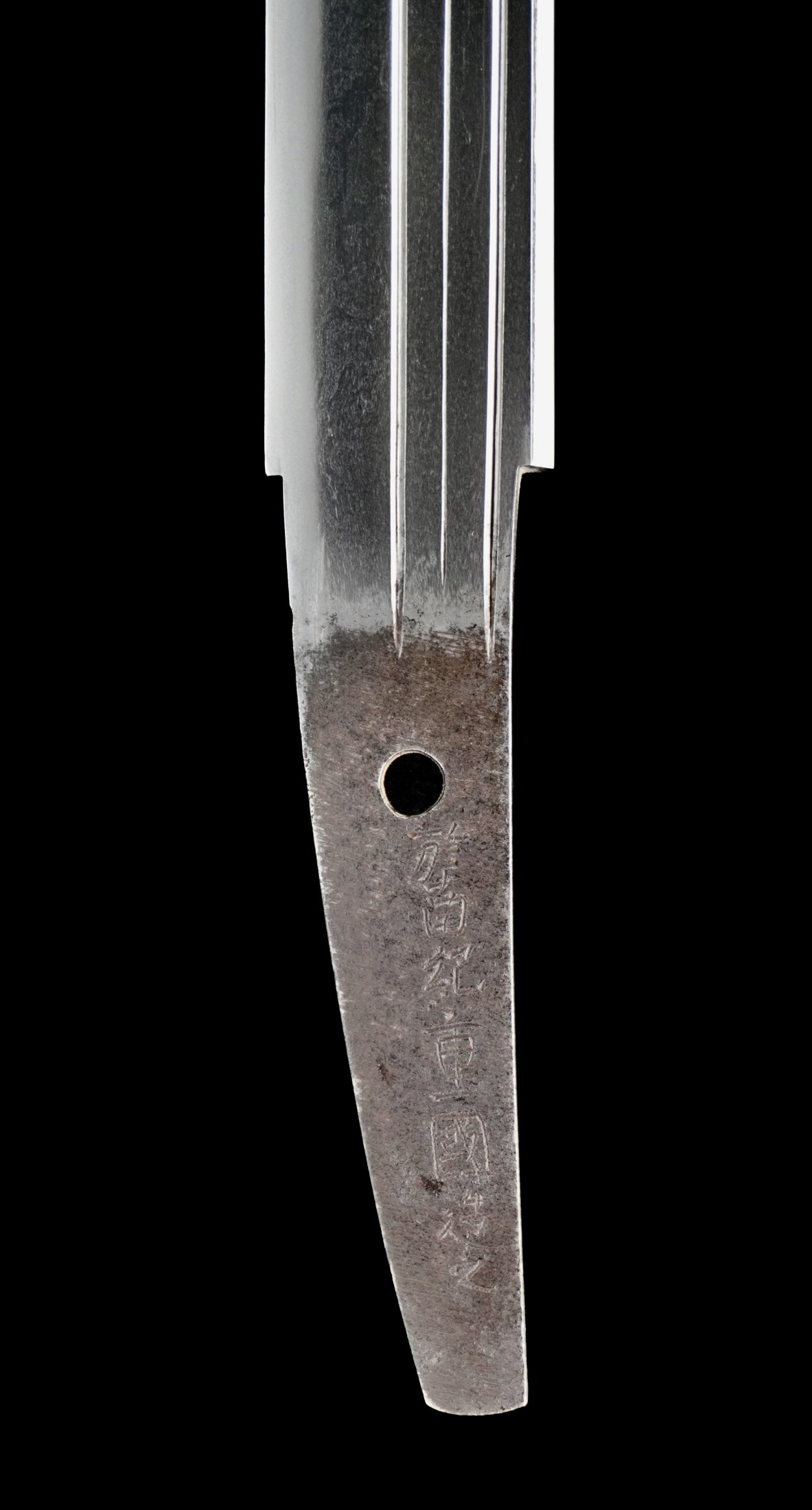
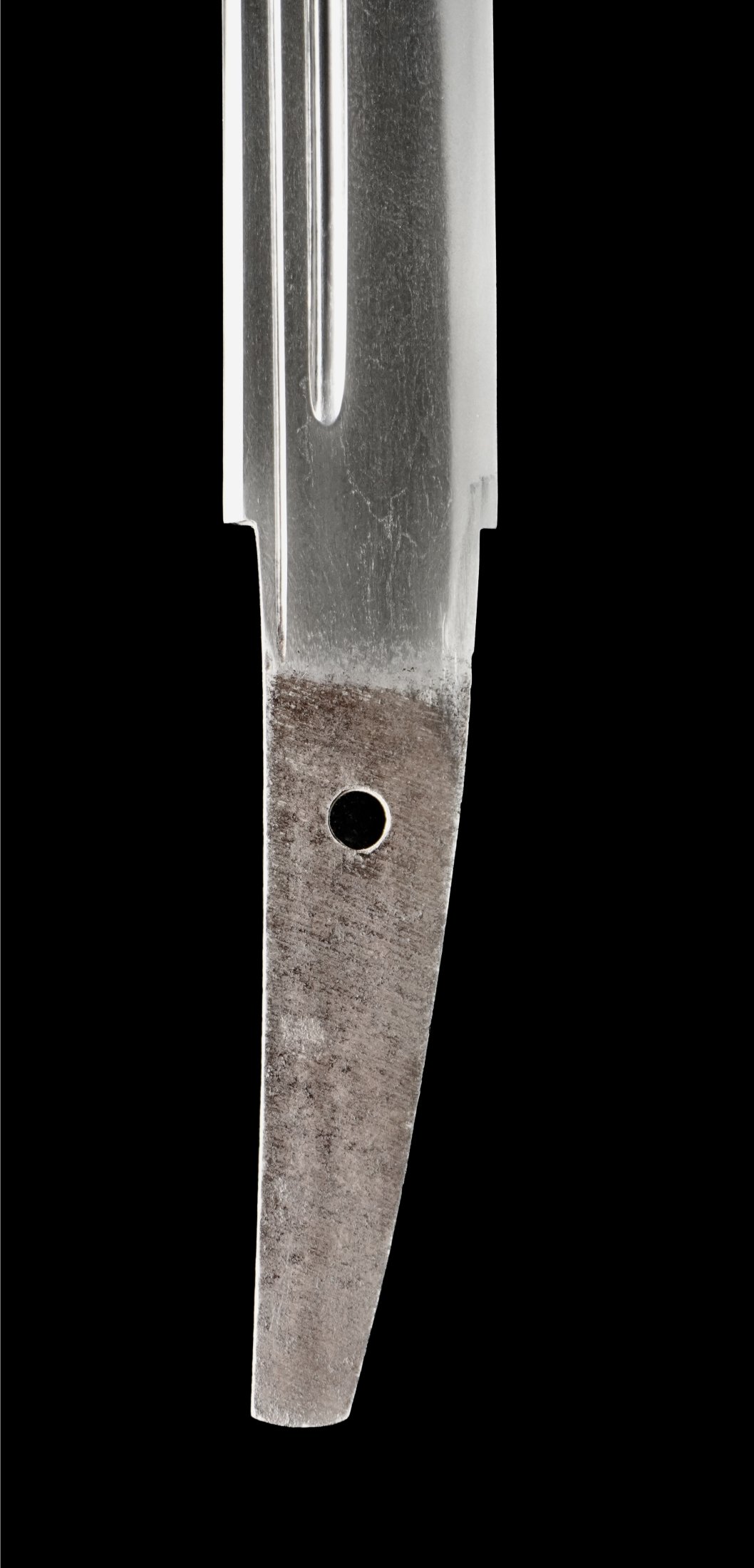
- Nakago Length: 11 cm
- Sori (Curvature): Extremely slight
- Sugata: Hira-zukuri, mitsumune, with a wide mihaba and slightly thick kasane.
- Period: Early Edo period
- Kitae: Itame-hada with a slightly flowing tendency, covered with abundant ji-nie and rich chikei. The jigane is bright and clear.
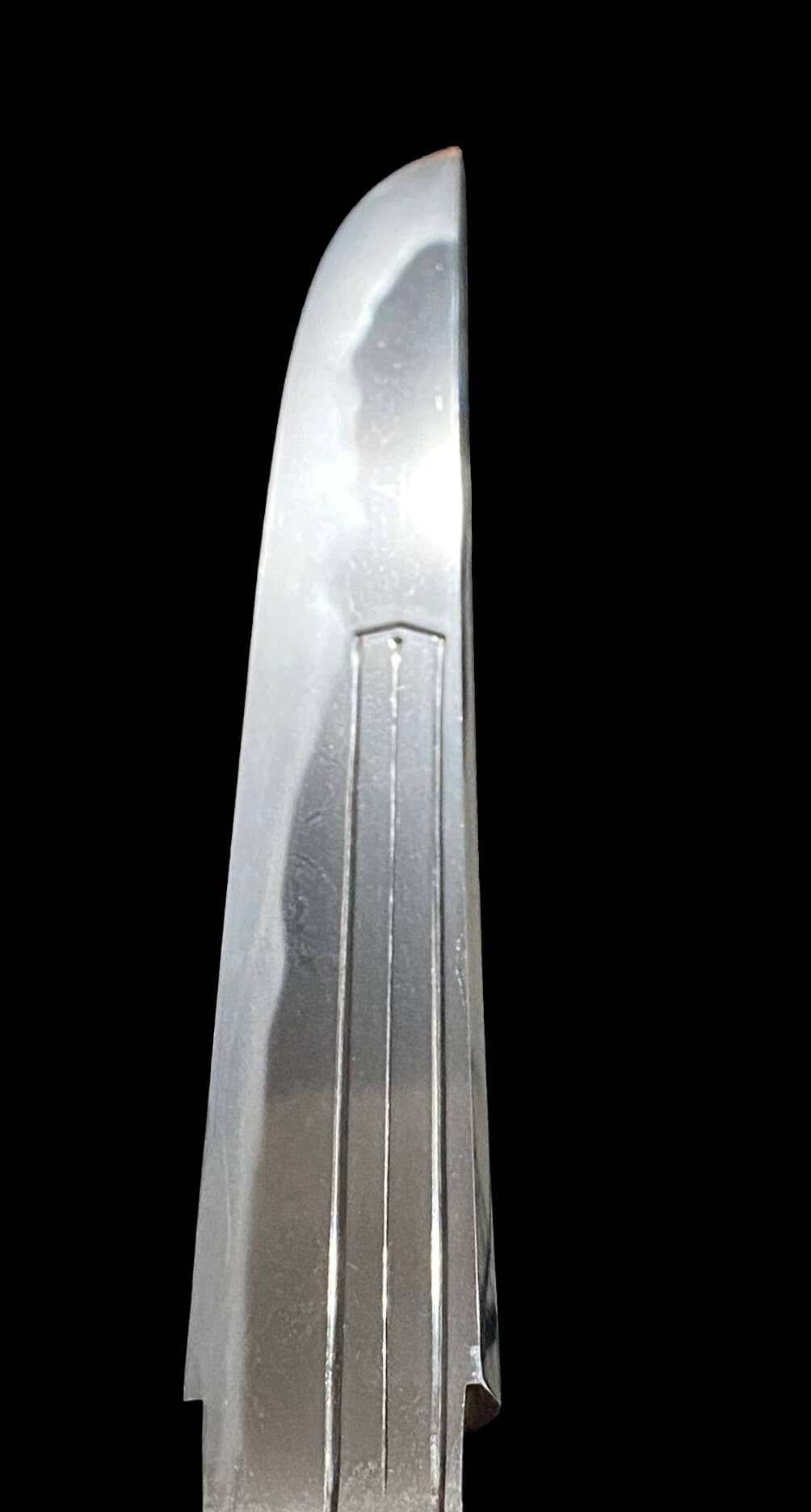
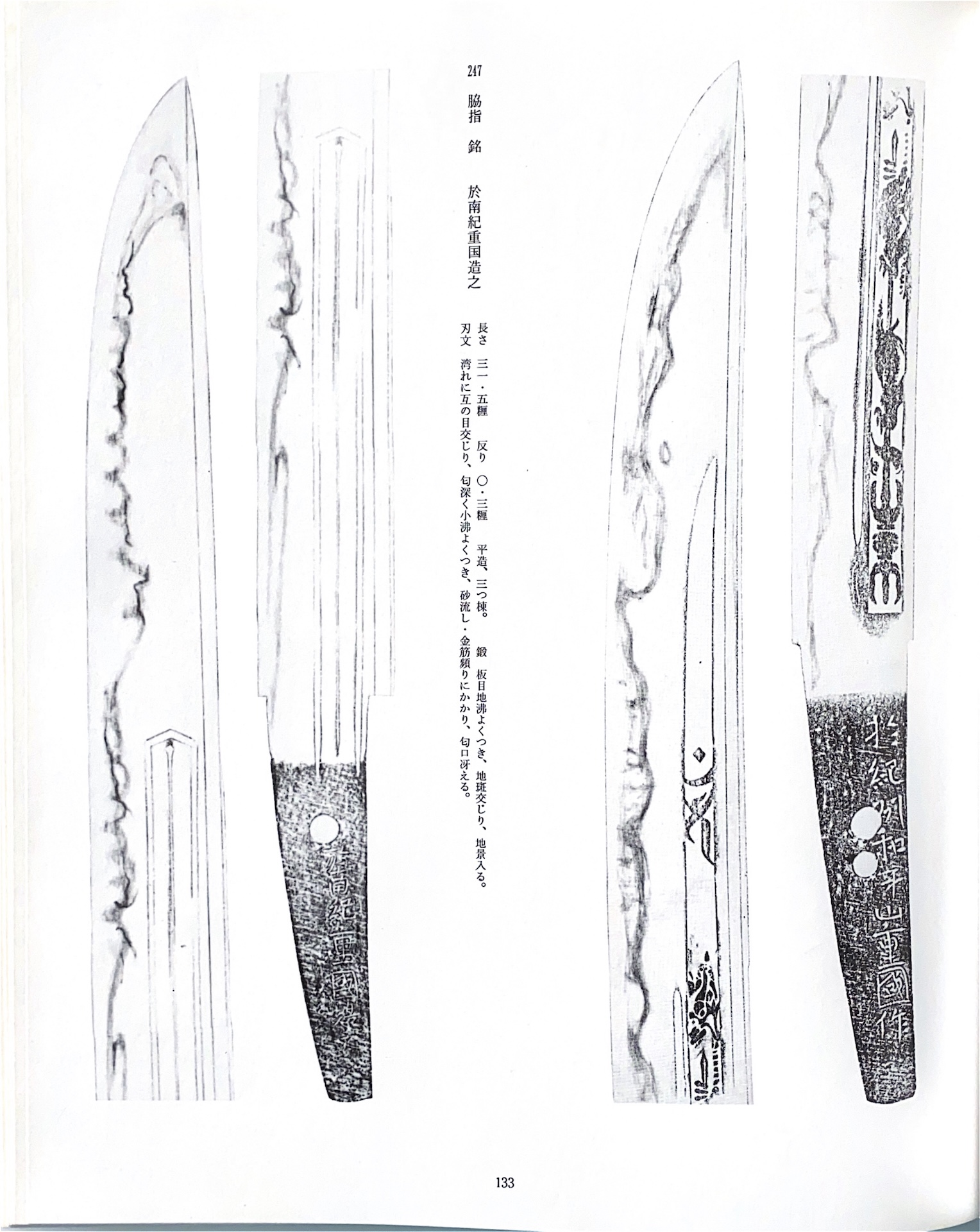
- Hamon: A slightly undulating gunome-midare with considerable variation. The nioi is deep, with ko-nie mingled with larger nie. Frequent kinsu-ji and fine sunagashi appear throughout, and the nioi-guchi is bright and clear.
- Horimono (Carvings): An unusual su-ken on the omote, with a koshi-hi and accompanying soe-hi on the ura.
- Nakago: Ubu, with a shallow kurijiri tip, katte-sagari yasurime, and one mekugi-ana. Signed Oite Nanki Shigekuni kore o tsukuru (於南紀重国造之).
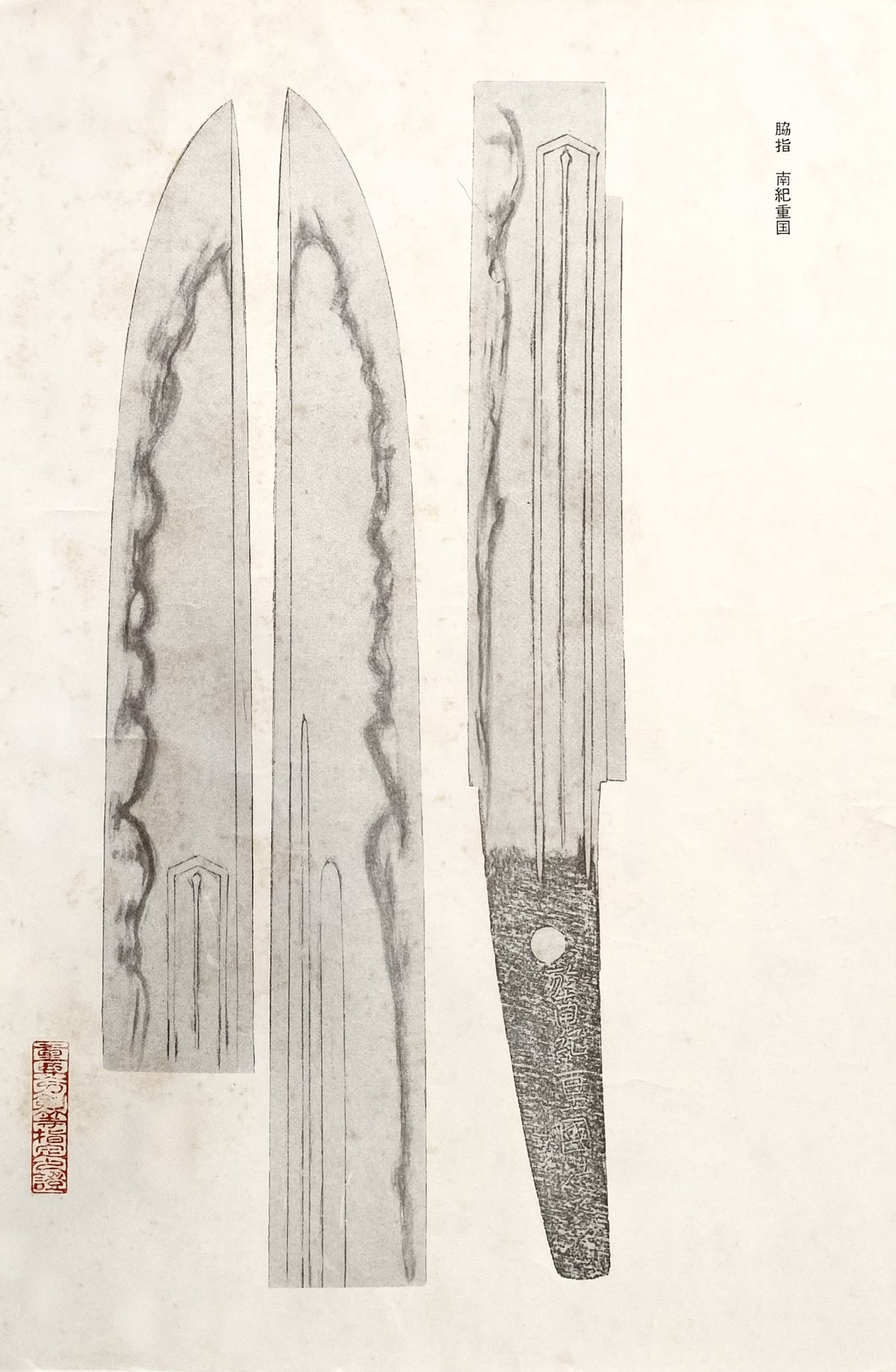
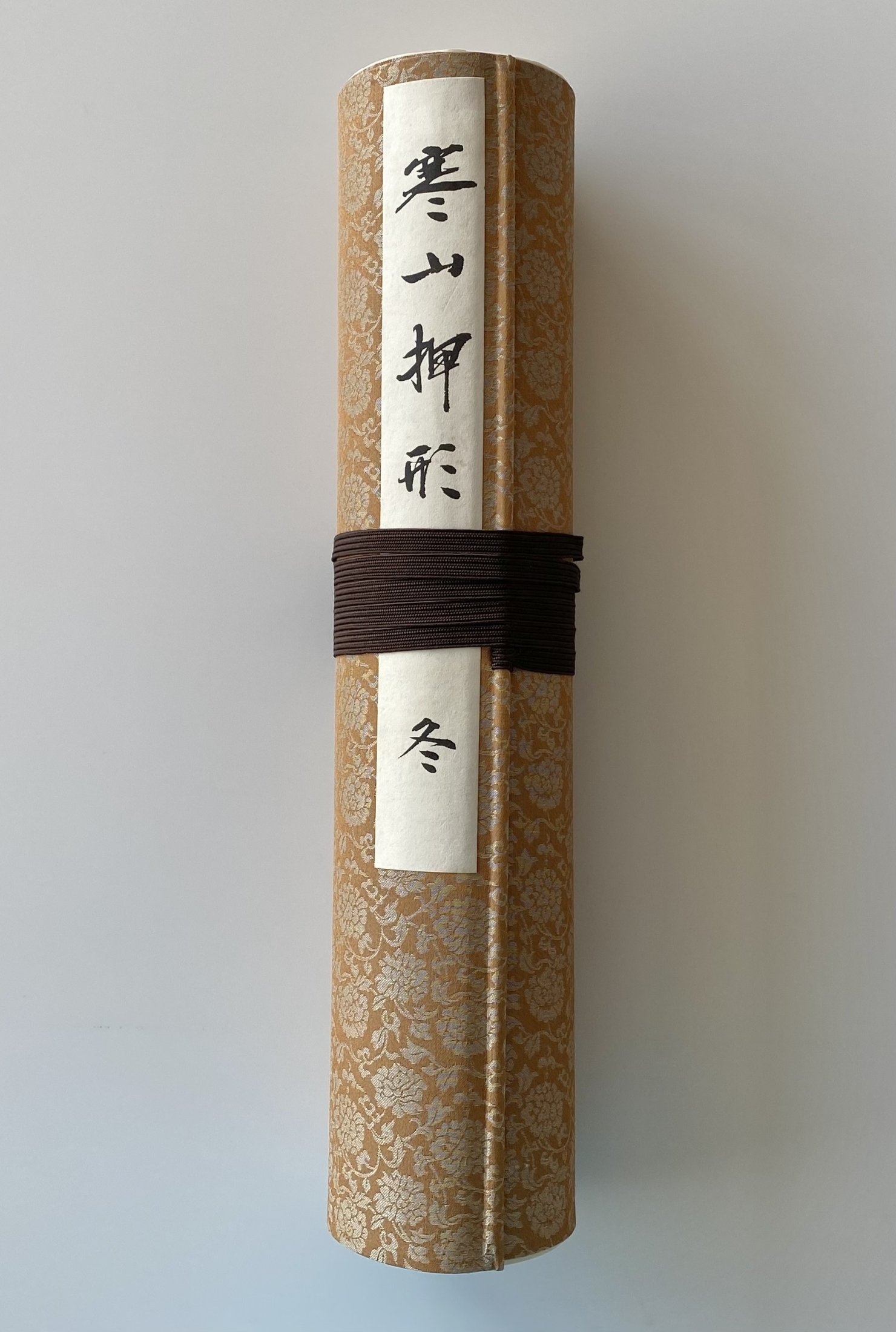
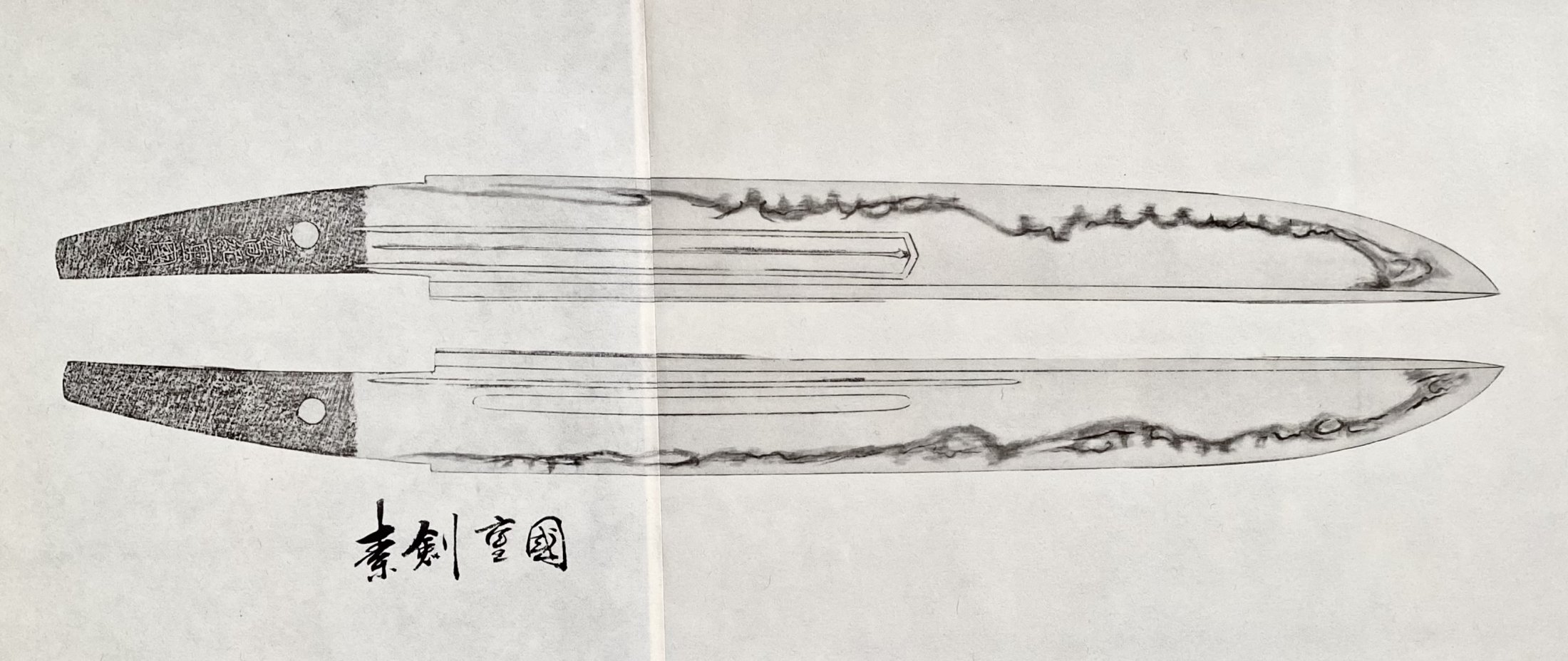
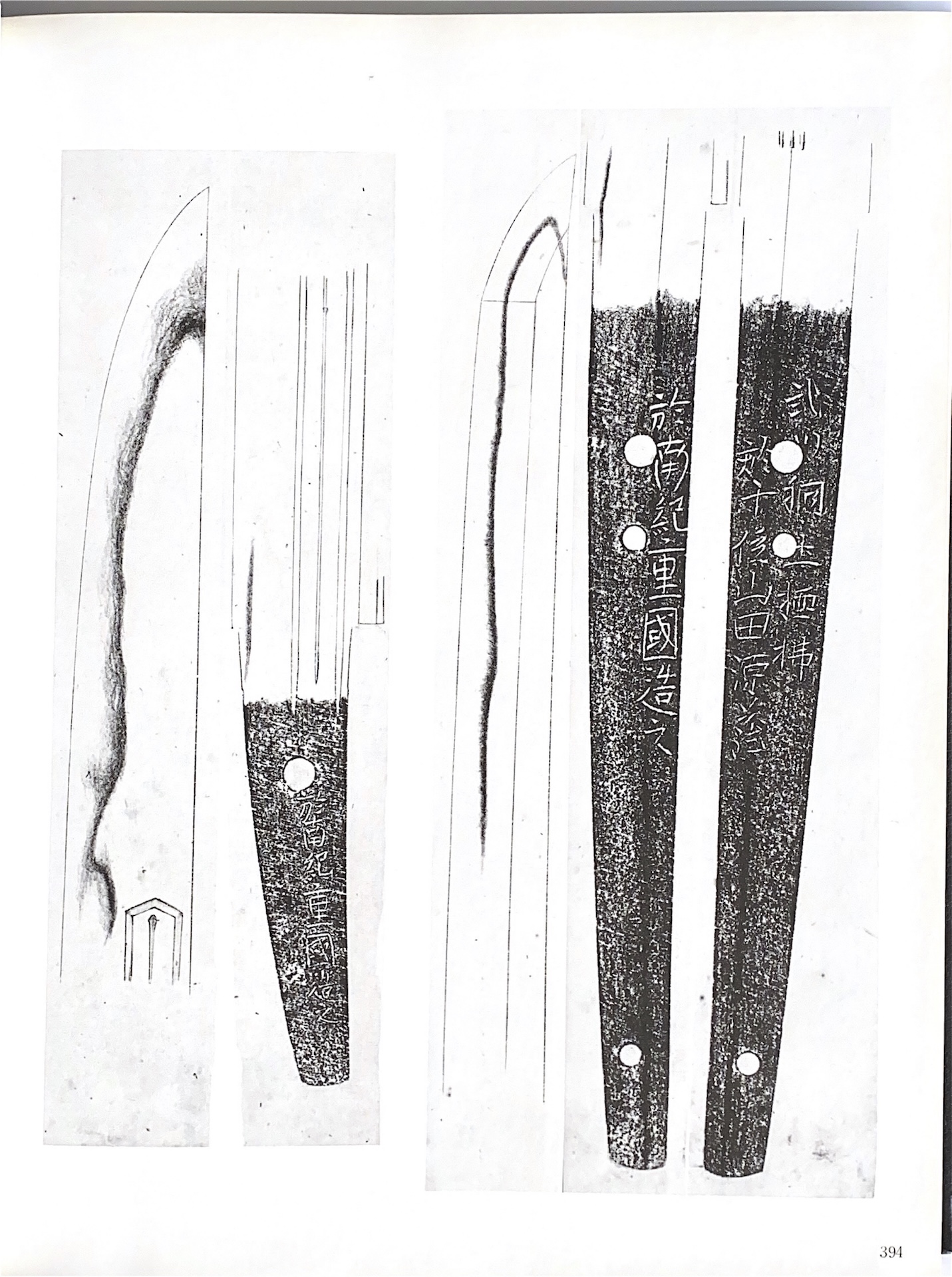
- Published References: Kanzan Oshigata (寒山押形), Kanzan Oshigata Shintō Jiten (寒山押形新刀事典), and Kusanagi-no-ya Oshigata (草薙廼舎押形).
Among Shigekuni’s surviving works are several notable examples, including famous blades forged in Suruga bearing long inscriptions, as well as tantō with elaborate carvings. However, rather than selecting any of these, Dr. Kanzan Satō chose this particular tantō for inclusion in Kanzan Oshigata (寒山押形), considering it to be the finest example. He also gave it the name “Sūken Shigekuni.”
Although Shigekuni produced other blades with flamboyant hamon, this tantō may be regarded as his finest in terms of preservation, dignity, and overall workmanship.
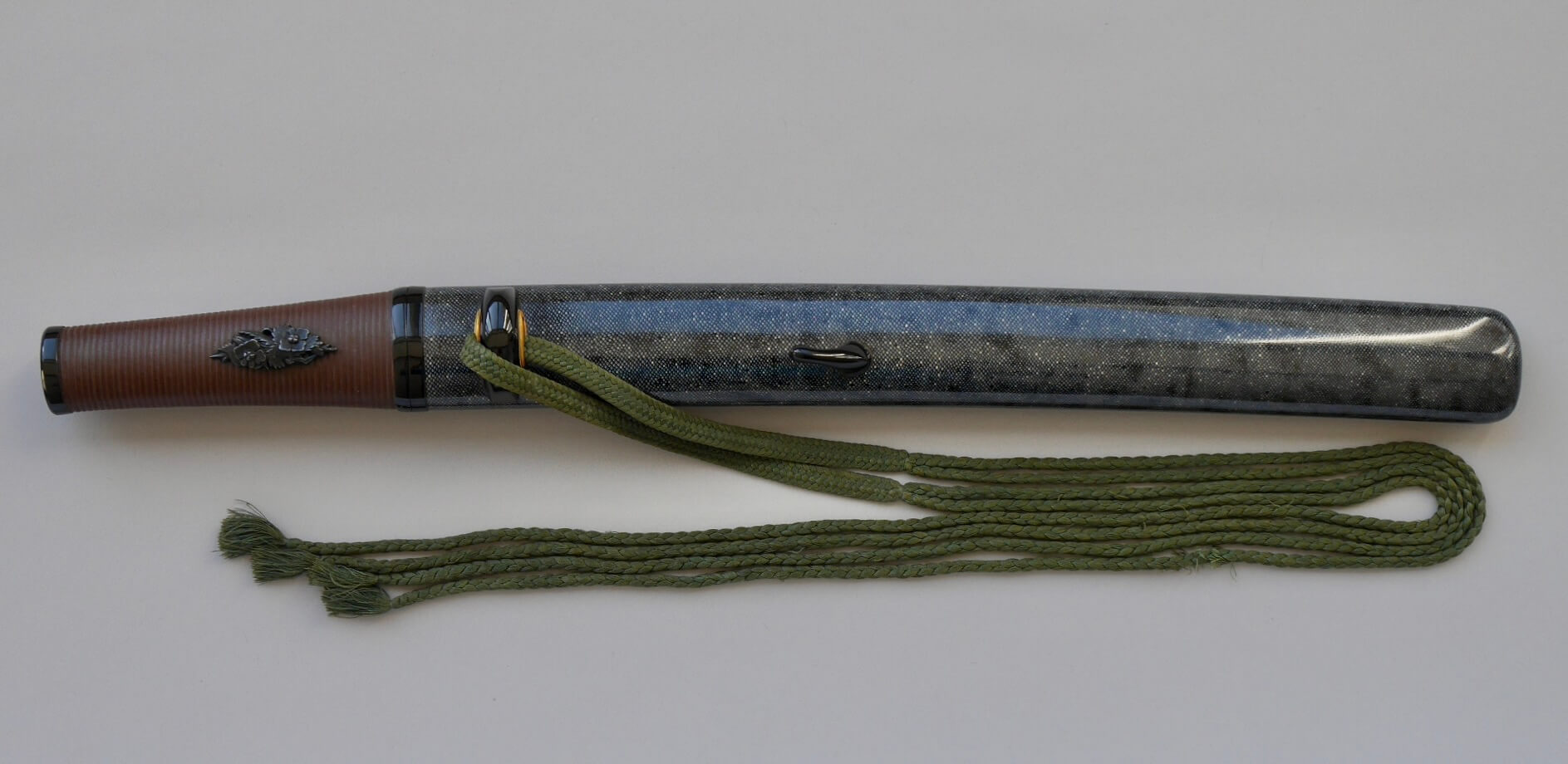
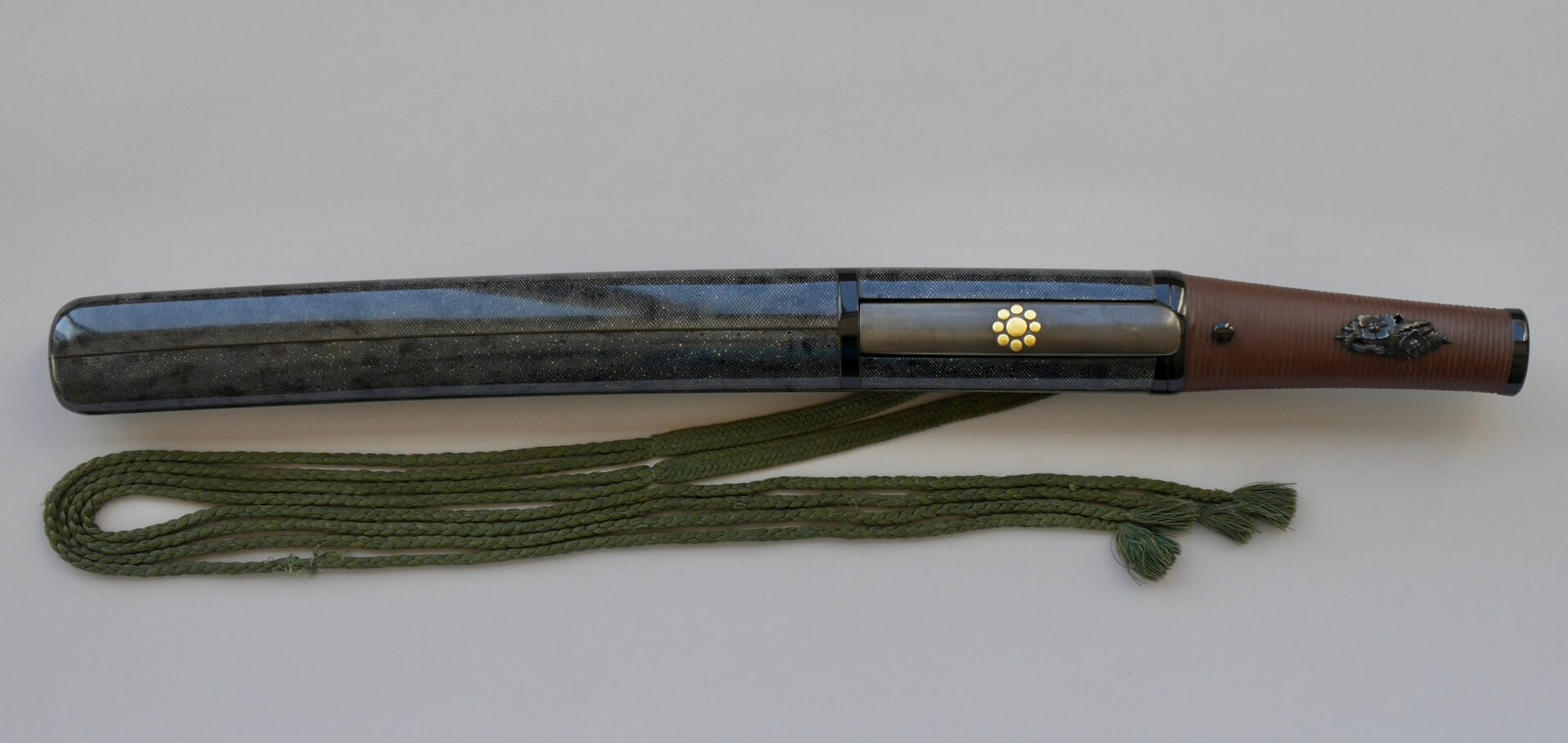
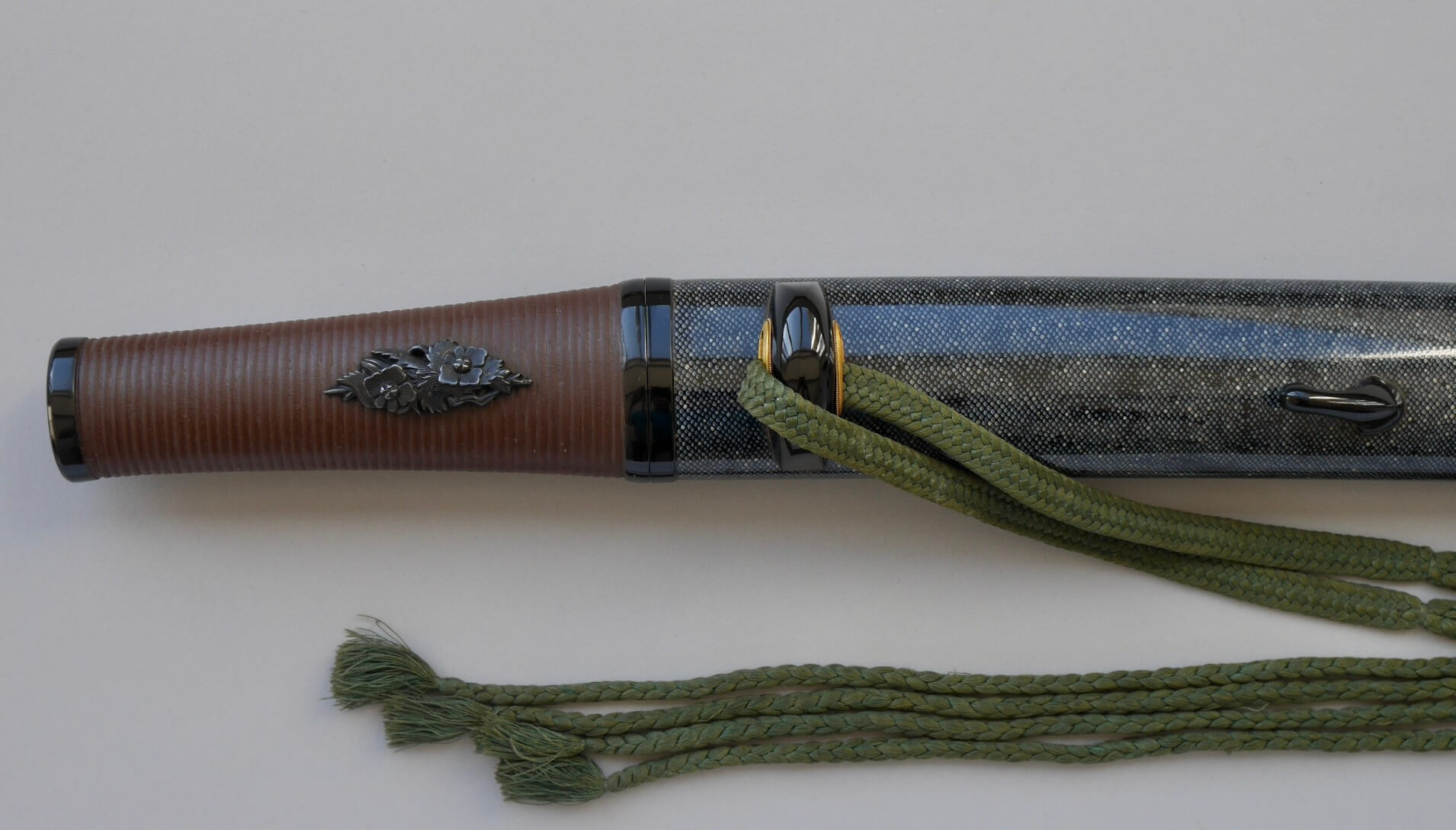
Brown-Lacquered Tsuka and Aizame-zaya Aikuchi Goshirae
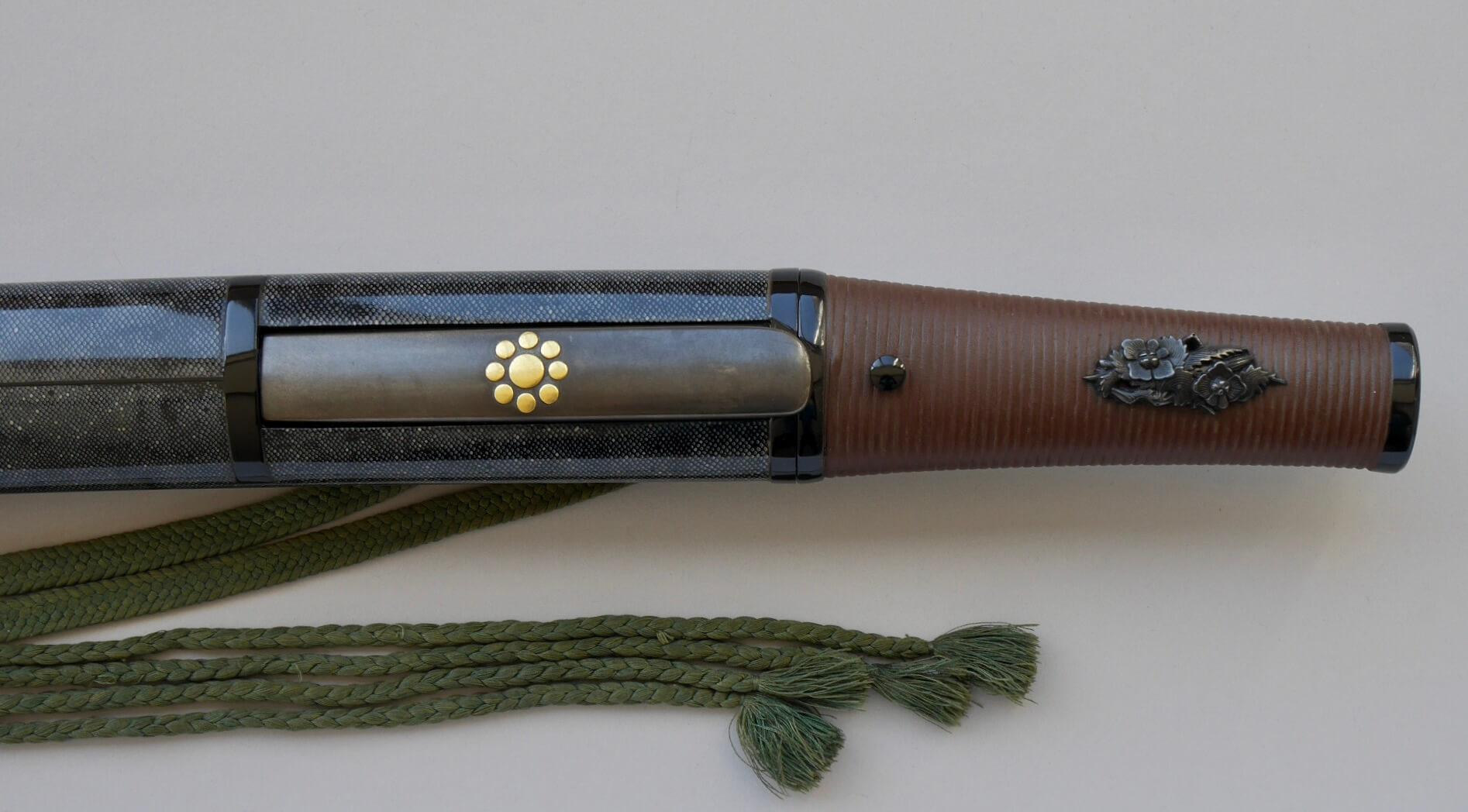
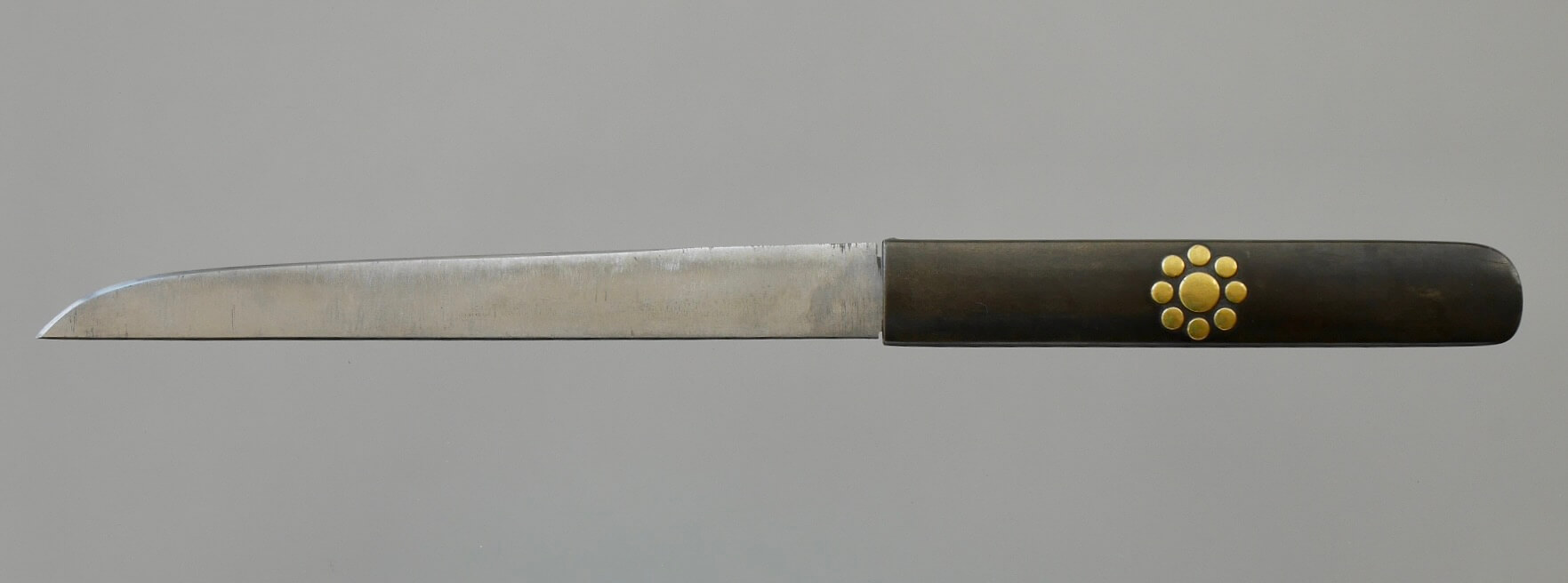
This Higo-style aikuchi goshirae was newly created with reference to the proportions and balance of the koshirae of “Horinuki Morimitsu,” a cherished sword of Hosokawa Sansai (Tadaoki).
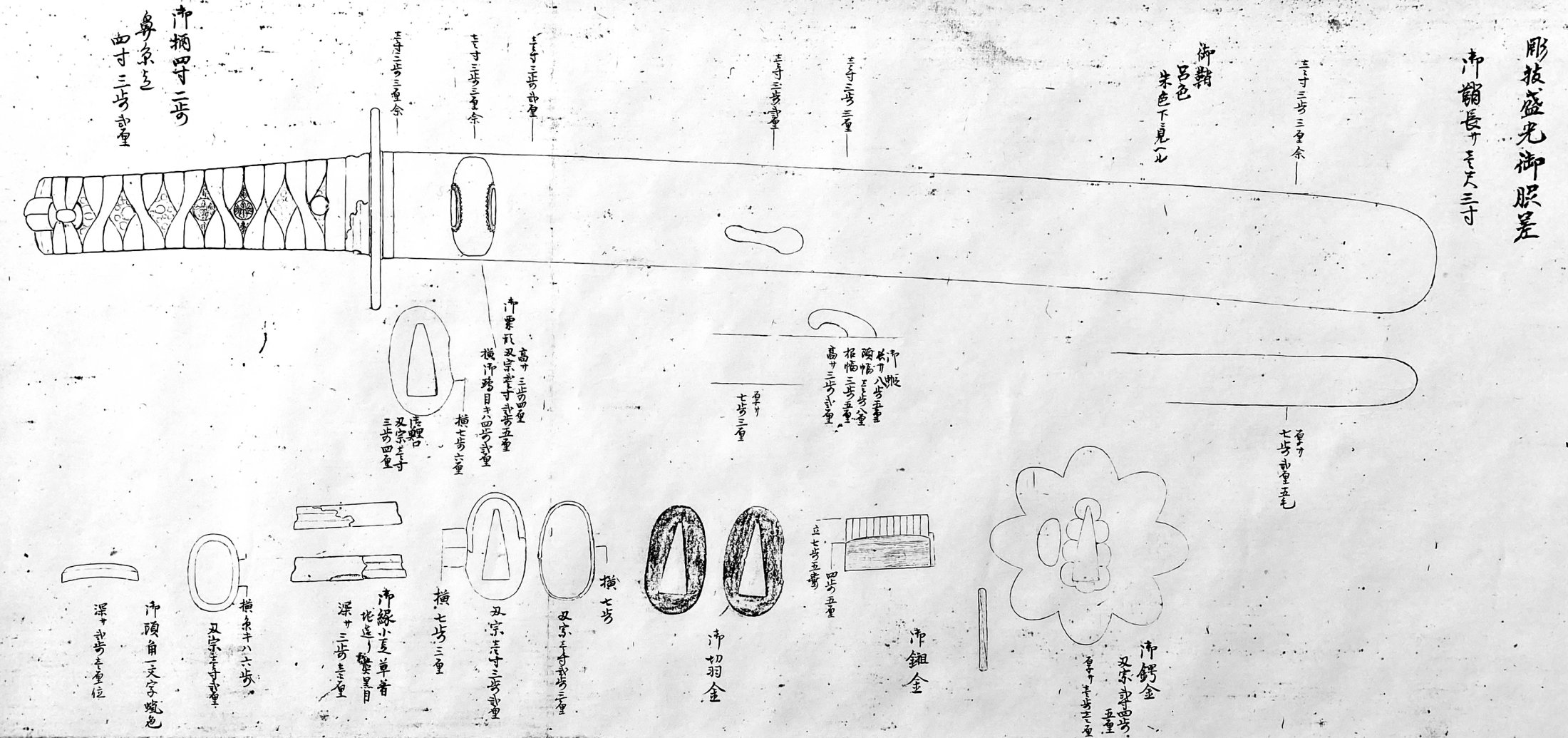
In the koshirae used by Sansai around the Tenshō period (1573–1592), the kurikata was positioned unusually close to the koiguchi (mouth of the scabbard). Koshirae of this particular form can no longer be found today.
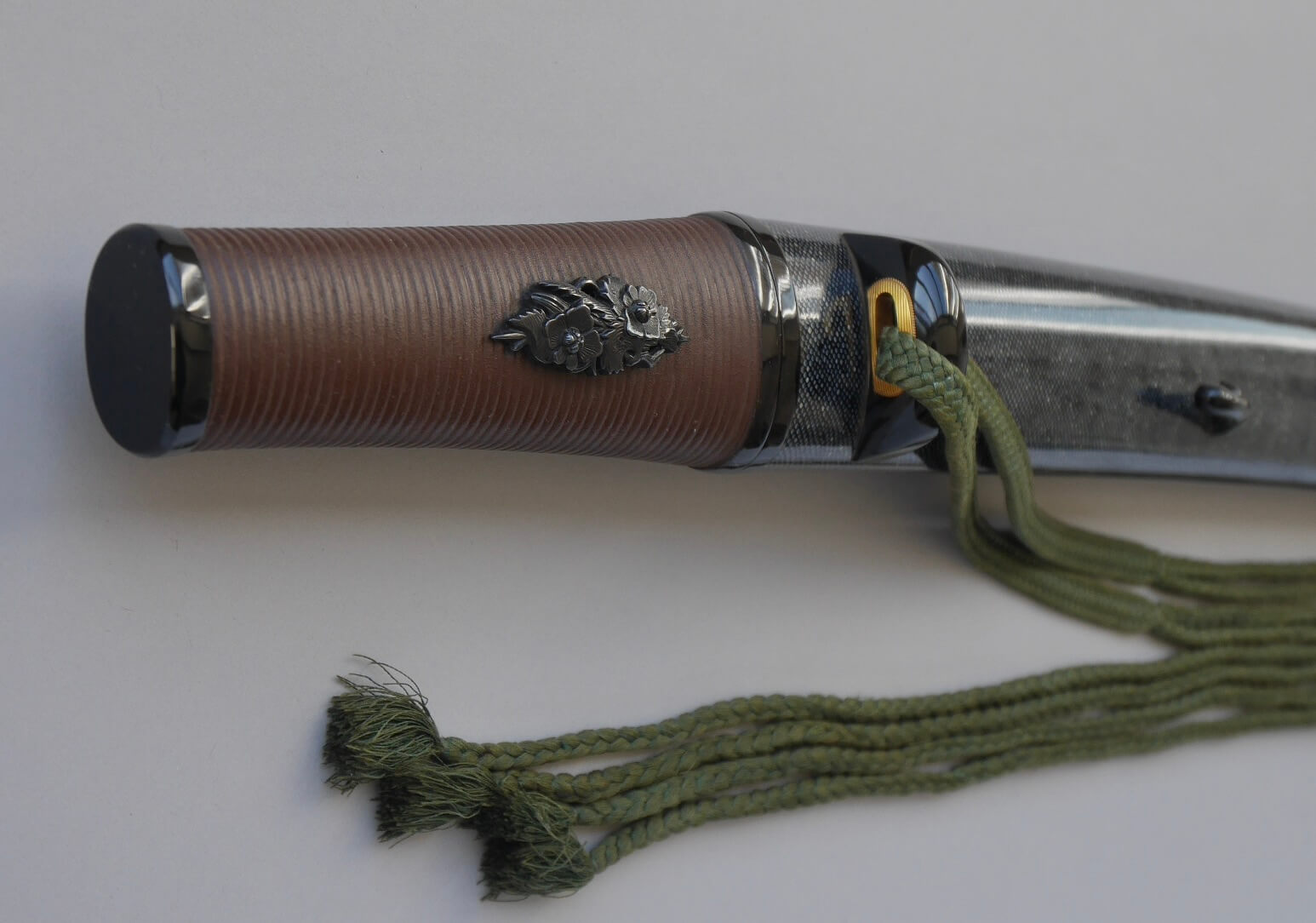
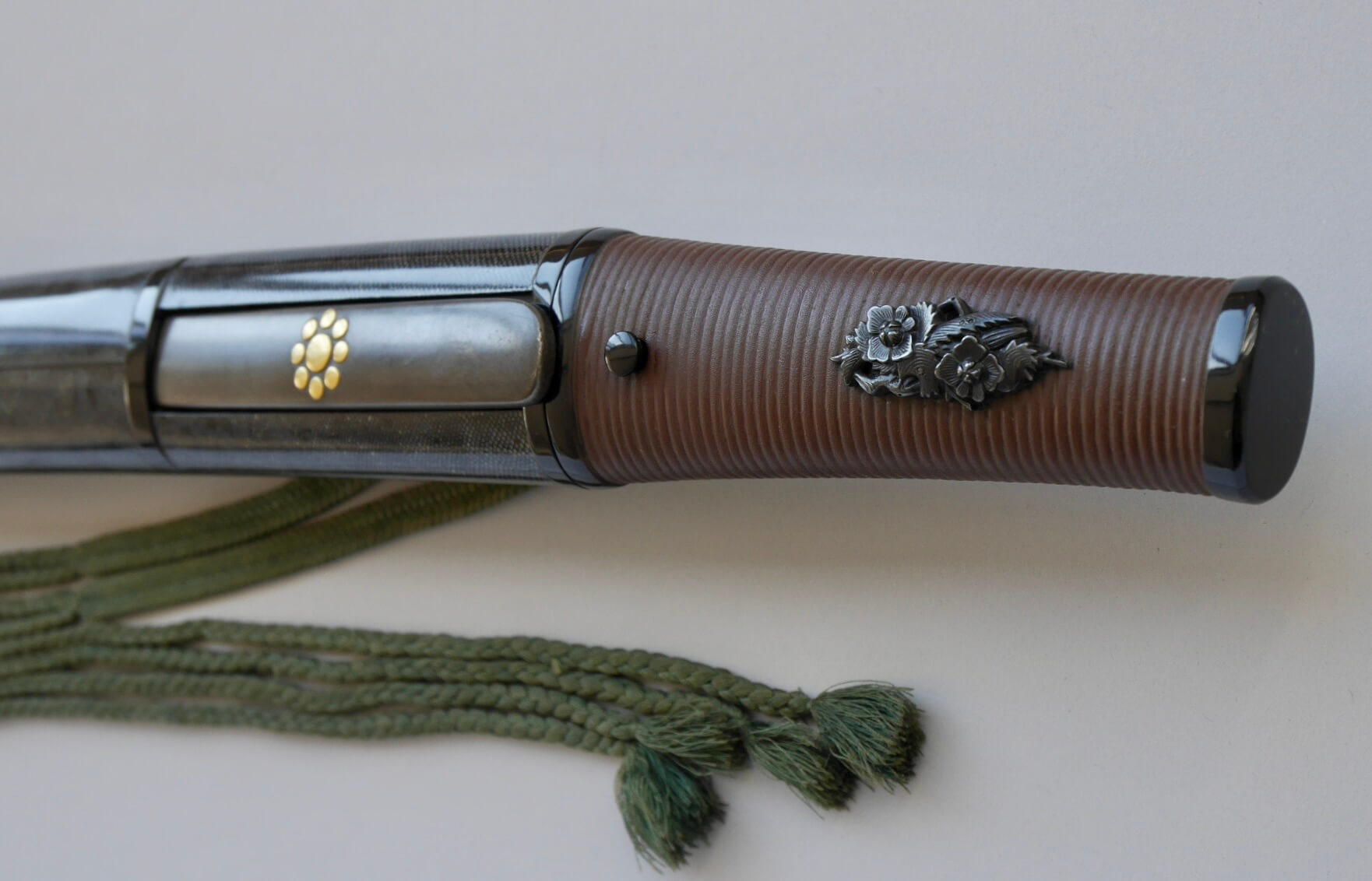
The saya features polished aizame (dwarf gulper shark), while the tsuka is wrapped with cord and coated in brown lacquer.
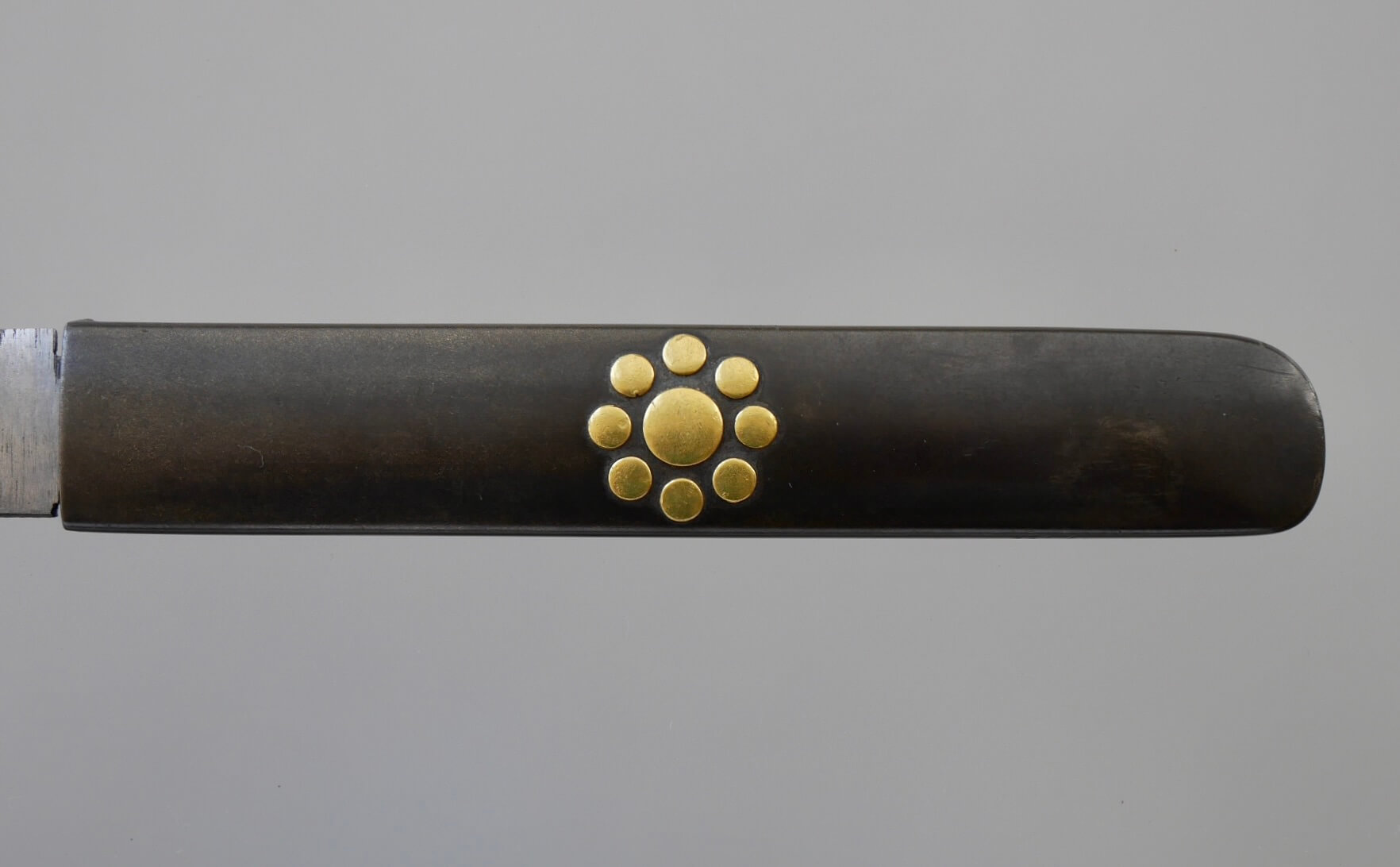
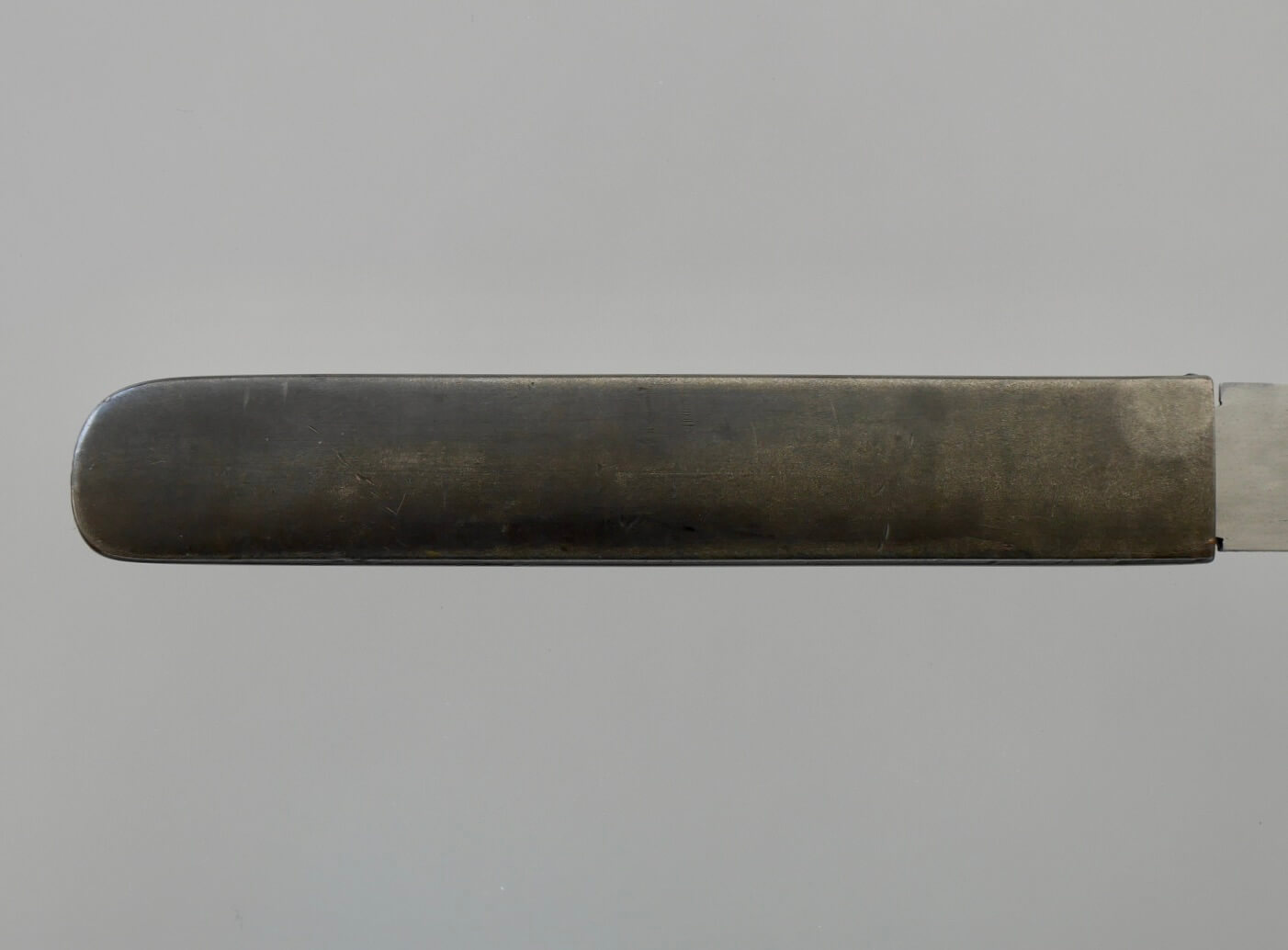
The mounting incorporates menuki by the Gotō family and an ō-kozuka by the second-generation Nishigaki Kanshirō Nagahisa. The shitodome fitted to the kurikata are made of solid gold, while a period sageo completes the mounting, bringing together its various elements in a refined and dignified manner.
Visit Us at Dai Tōken Ichi 2026
Gallery youyou will be offering a wide selection of Japanese swords, tōsōgu, sword racks, and publications at Dai Tōken Ichi 2026, including the works introduced in this article.
Event Information
- Dates: Saturday, November 21 – Sunday, November 22, 2026
- Venue: Tokyo Bijutsu Club
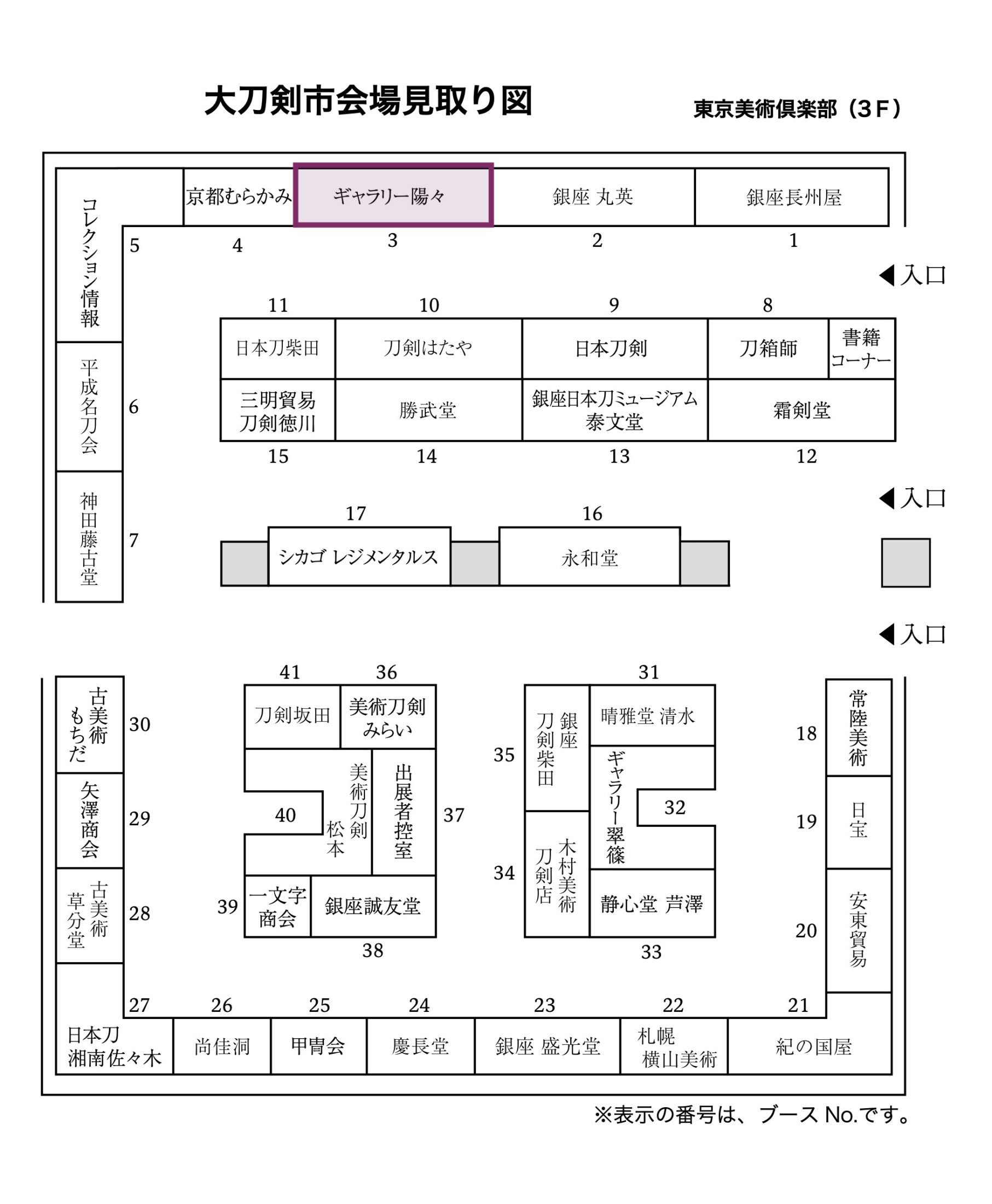
- Booth: gallery 陽々 youyou (ギャラリー陽々), No. 3 on 3rd floor
- Online Catalog: Click below button to access to the 2026 DTI catalog.
Closing Thoughts
The combination of the Nanki Shigekuni sunobi tantō and its brown-lacquered tsuka and aizame-zaya aikuchi goshirae embodies the finest traditions of Japanese swords and tōsōgu. We hope you will have the opportunity to appreciate the refined beauty and harmony of these works in person at the 2026 Dai Tōken Ichi. In the next article, we’ll bring you a preview of “Gallery youyou’s Presentation at the 2026 Dai Tōken Ichi (Part 2).” Until then, stay Tosogu & Sword Minded : )