Karatsu Teabowl
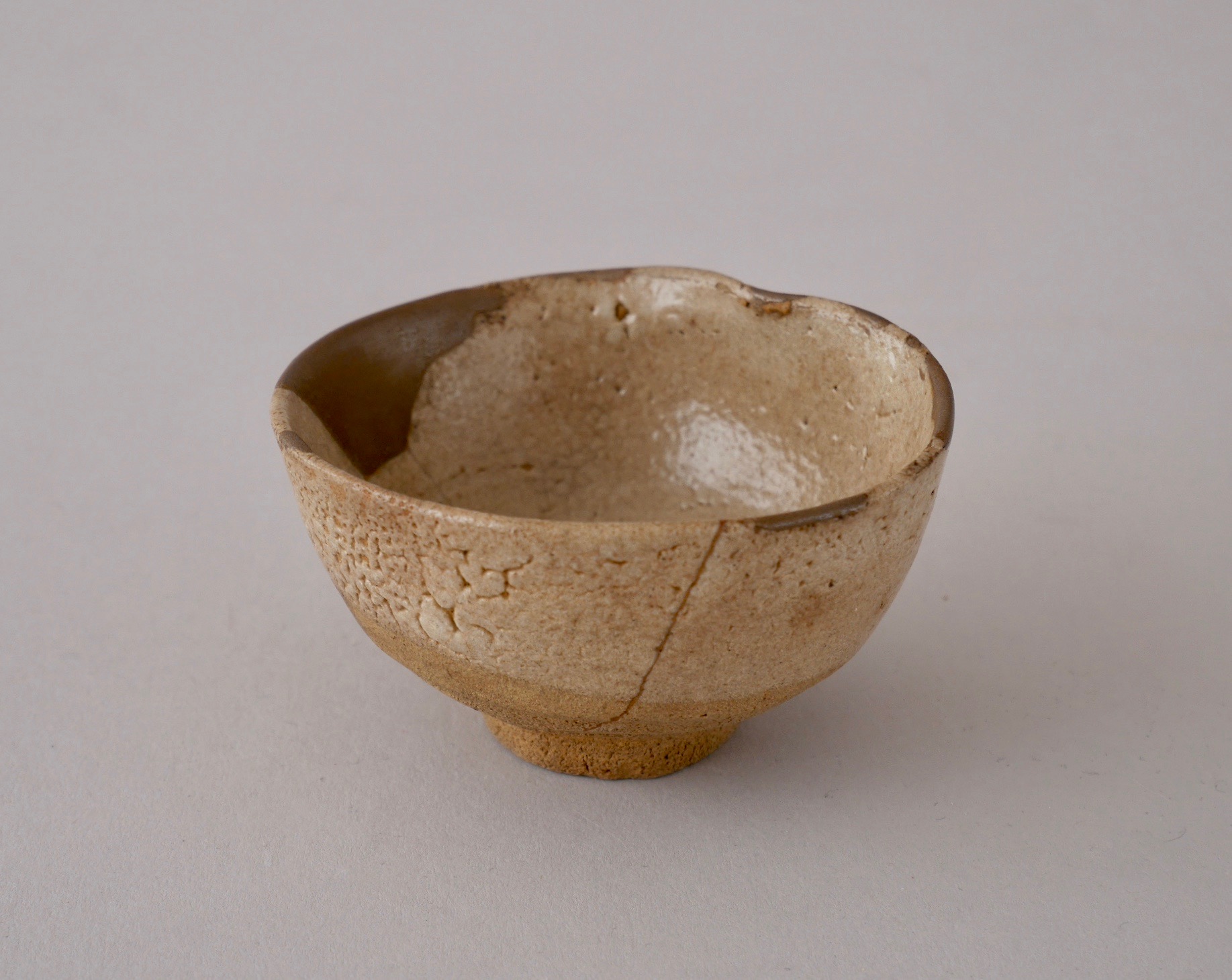
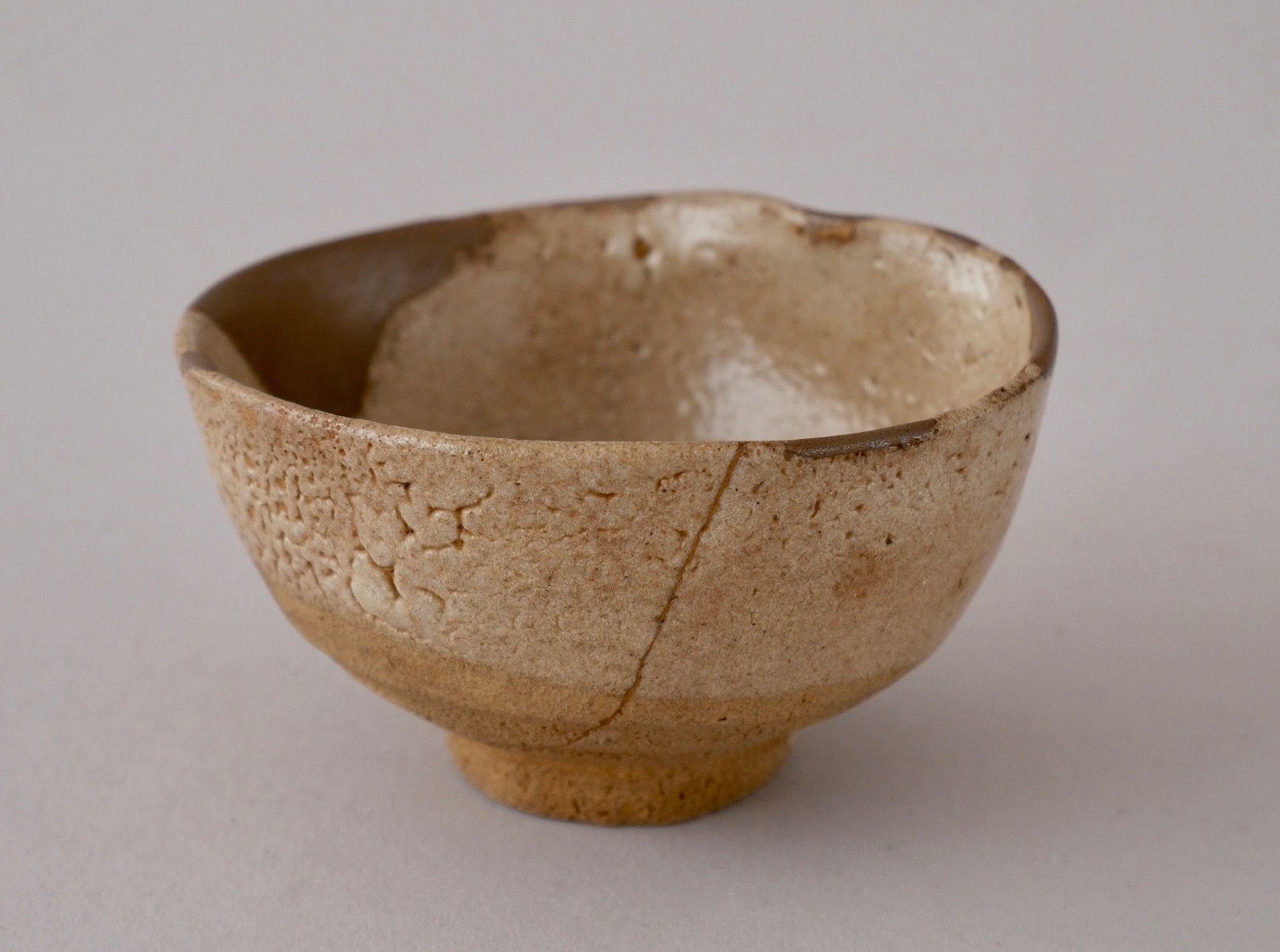
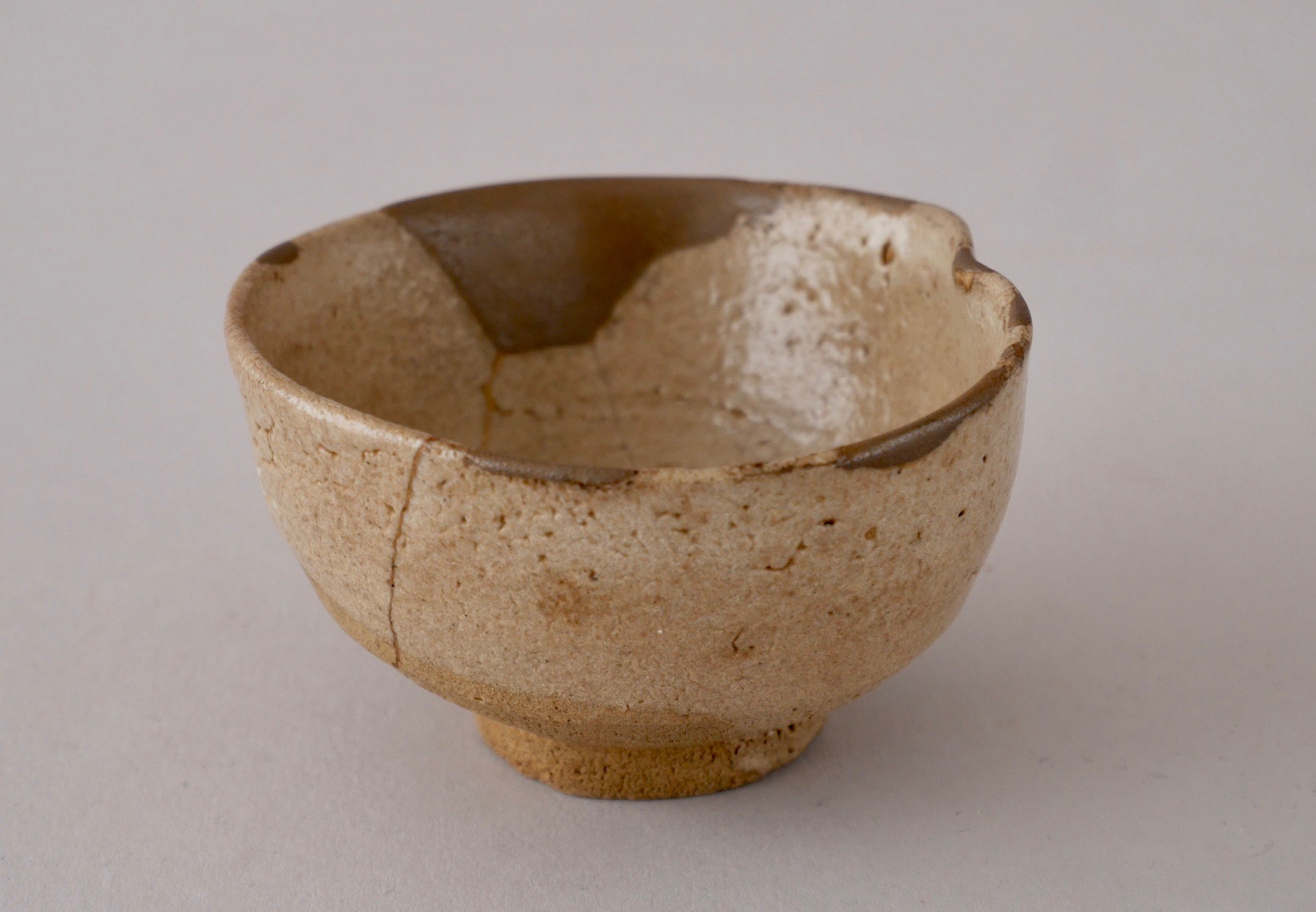
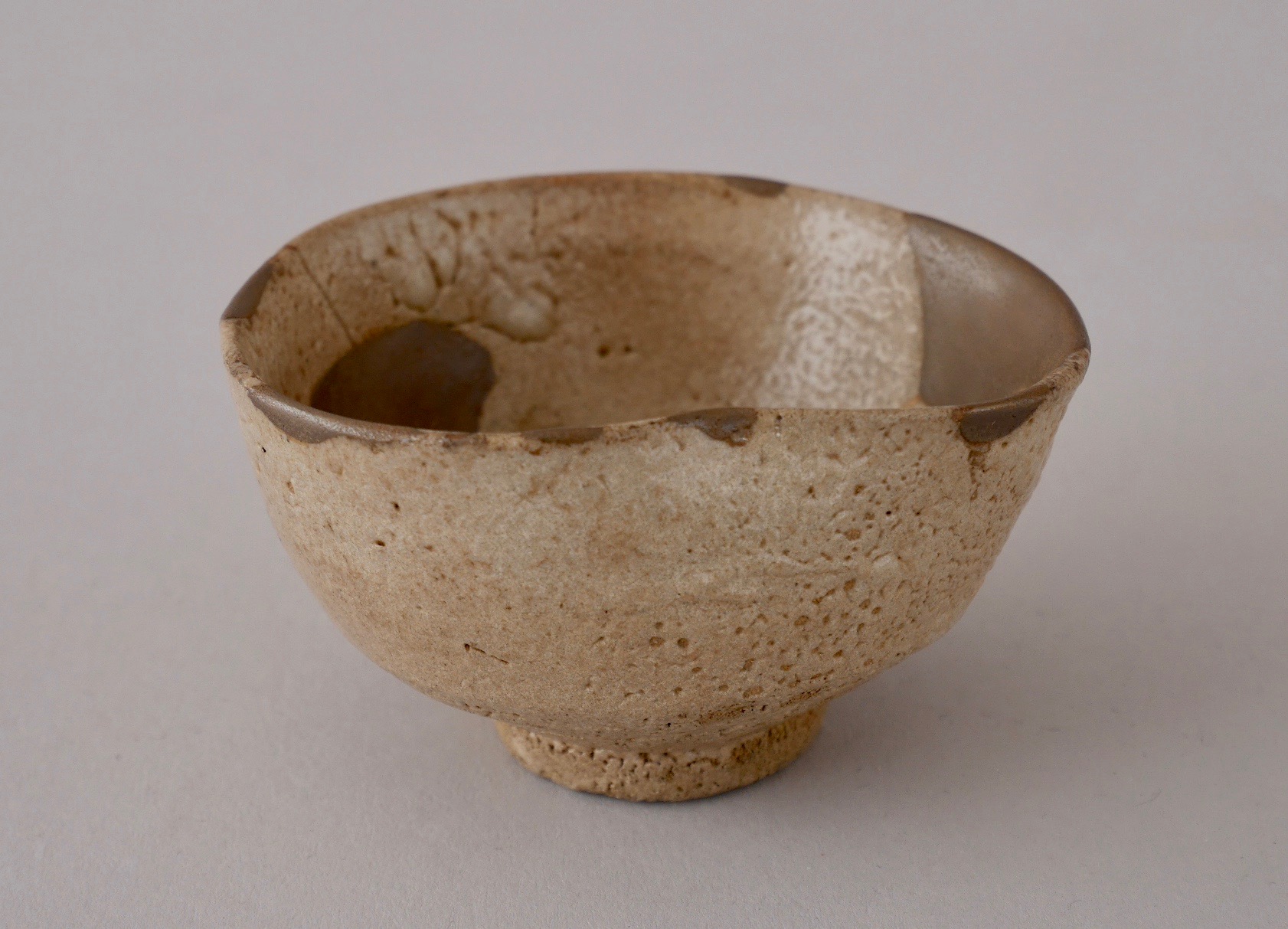
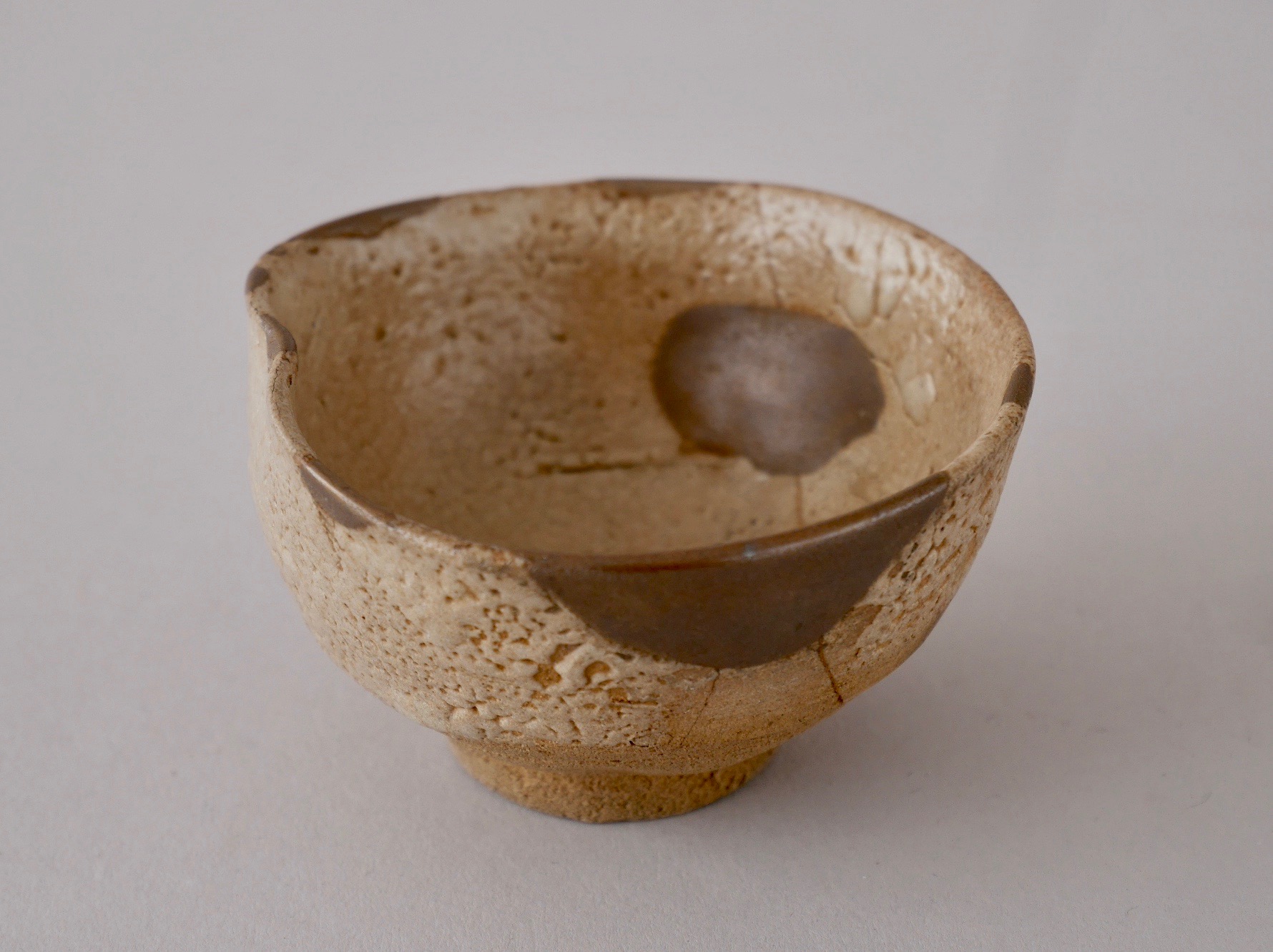
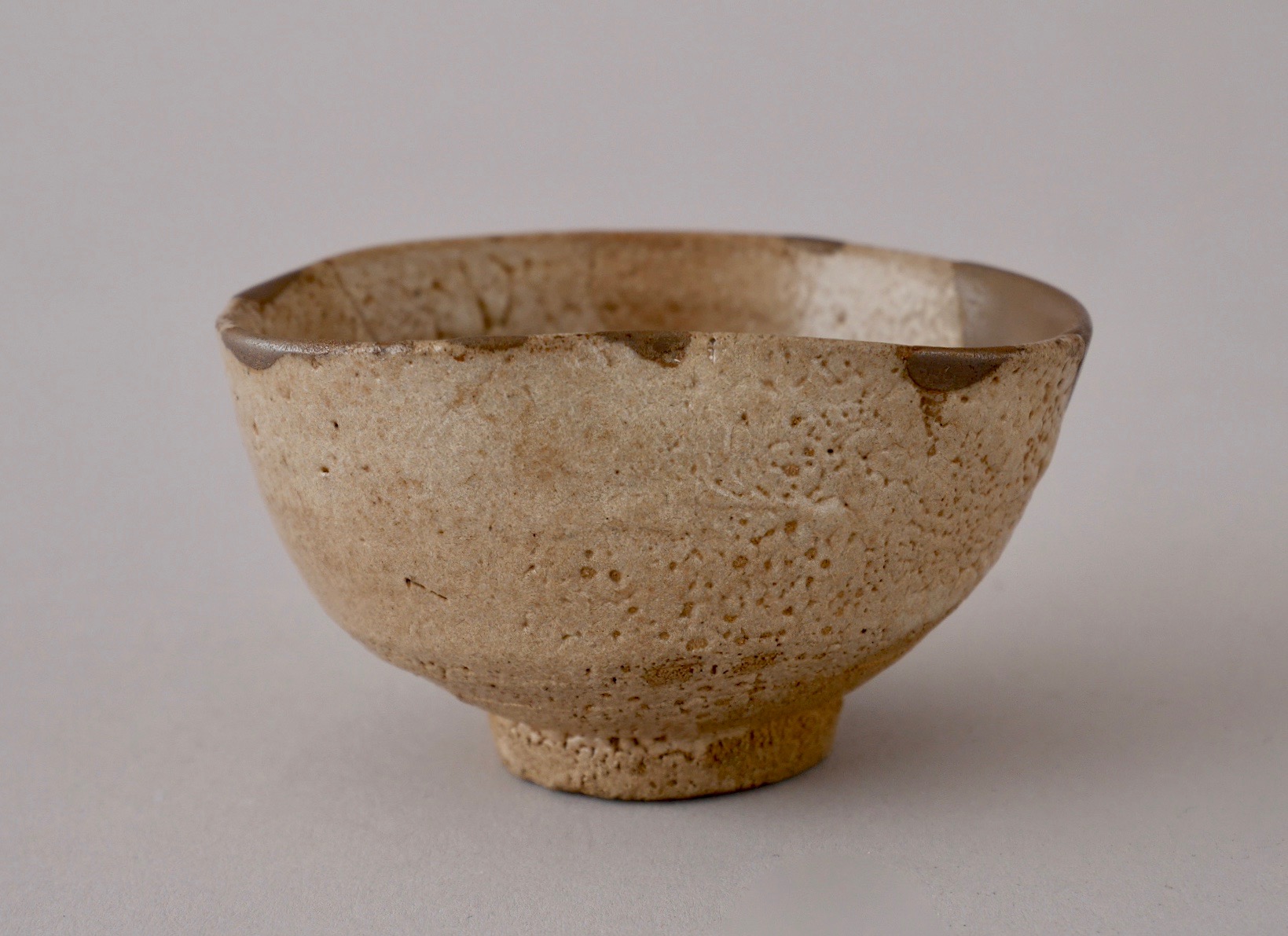
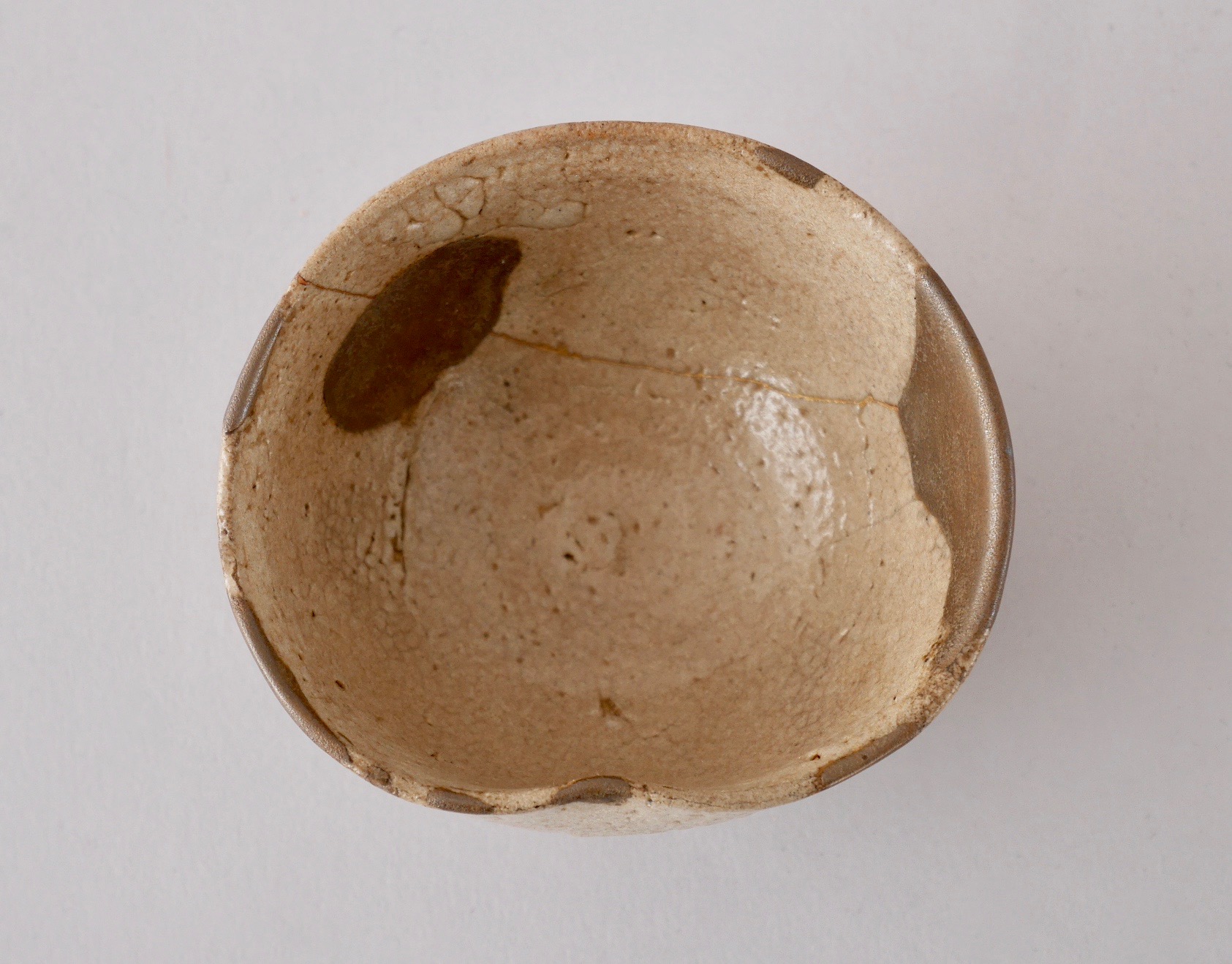
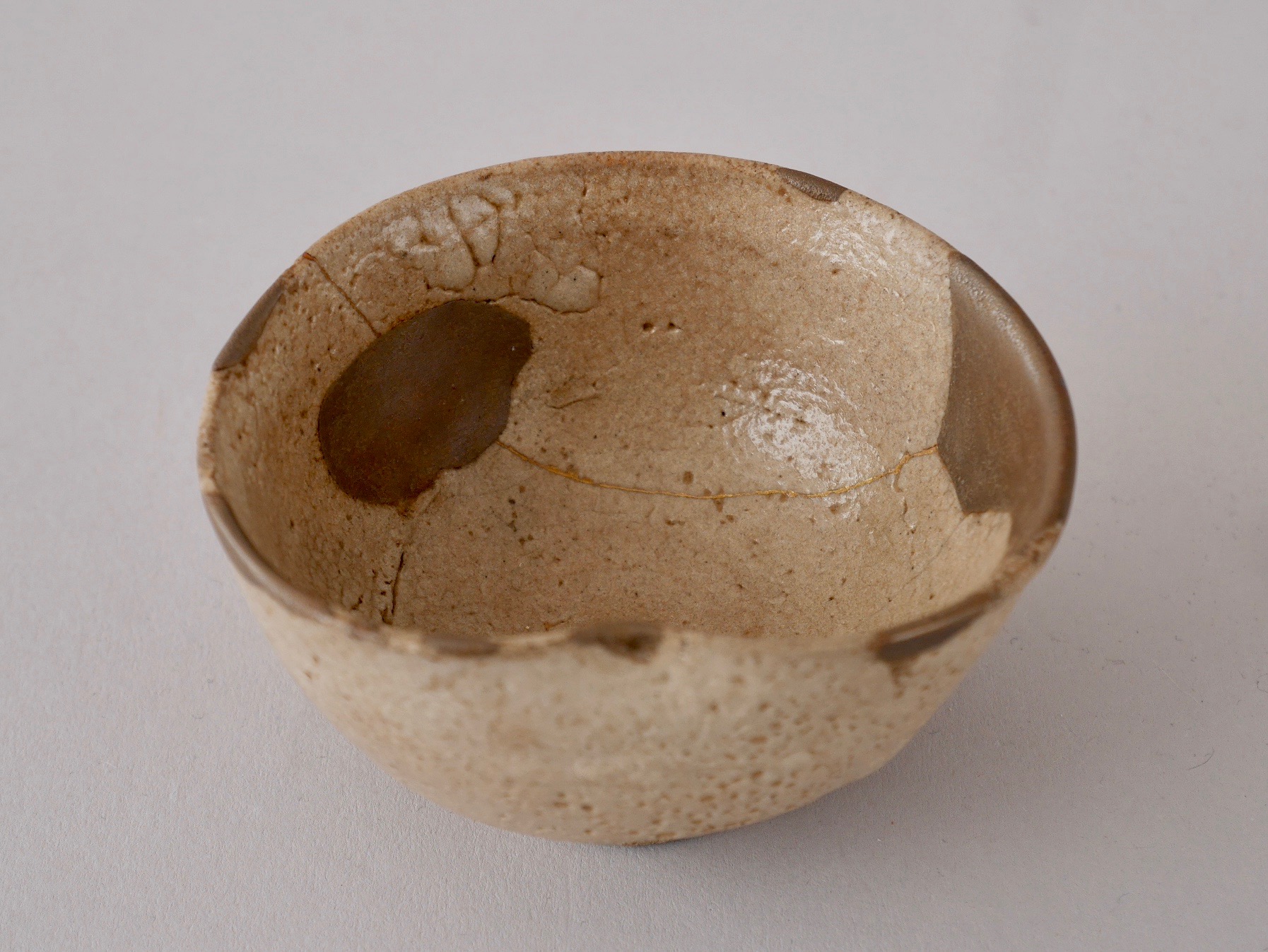
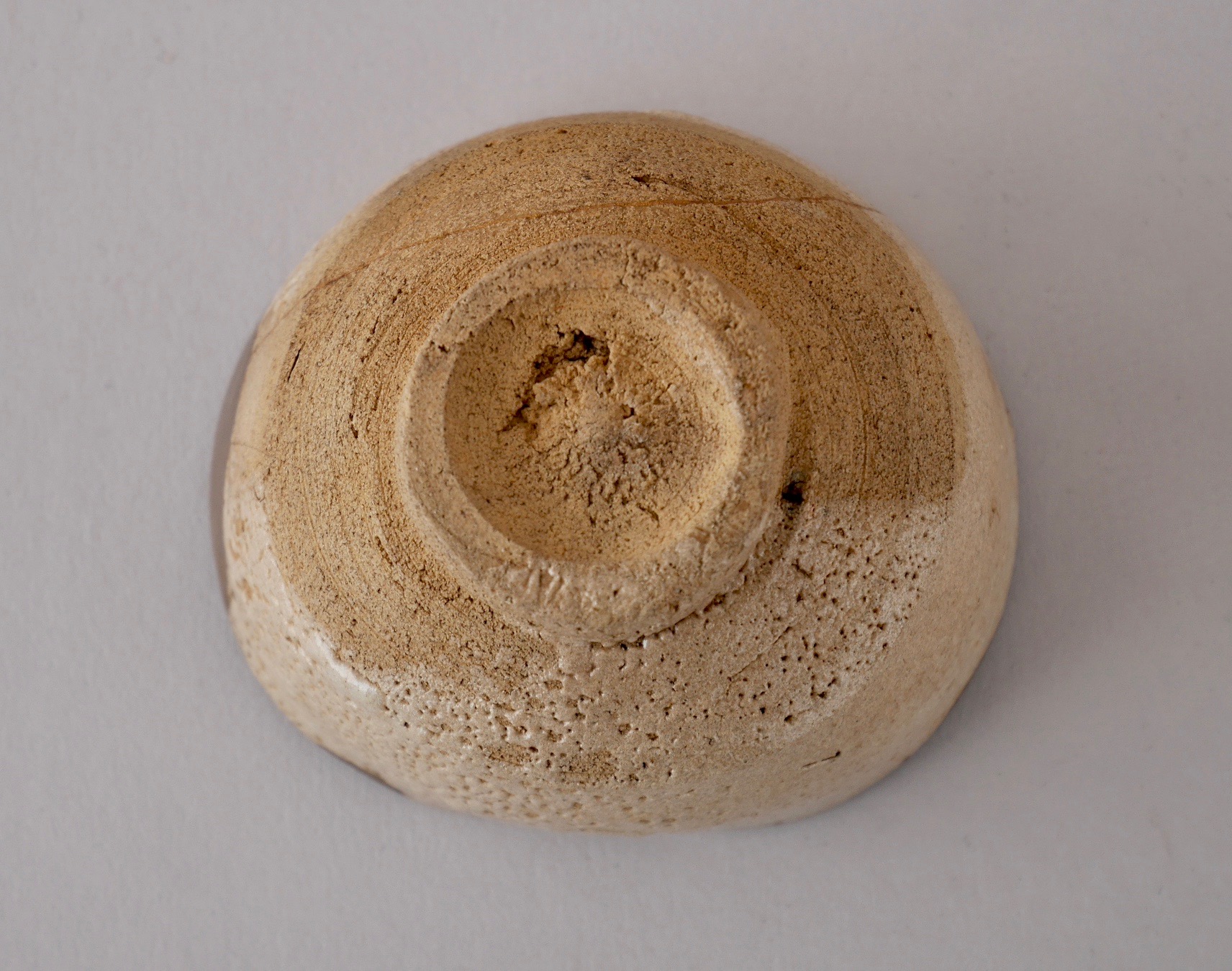
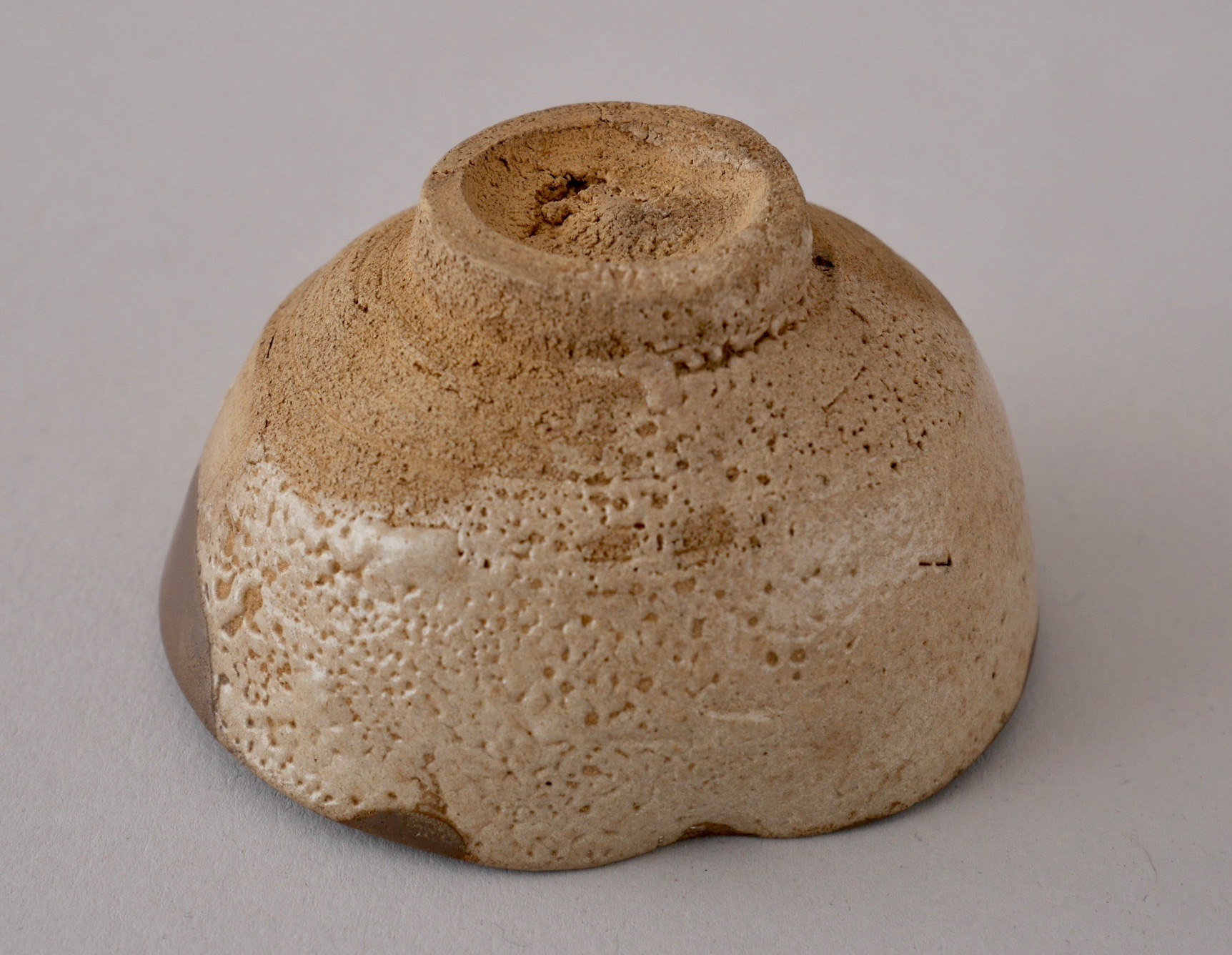
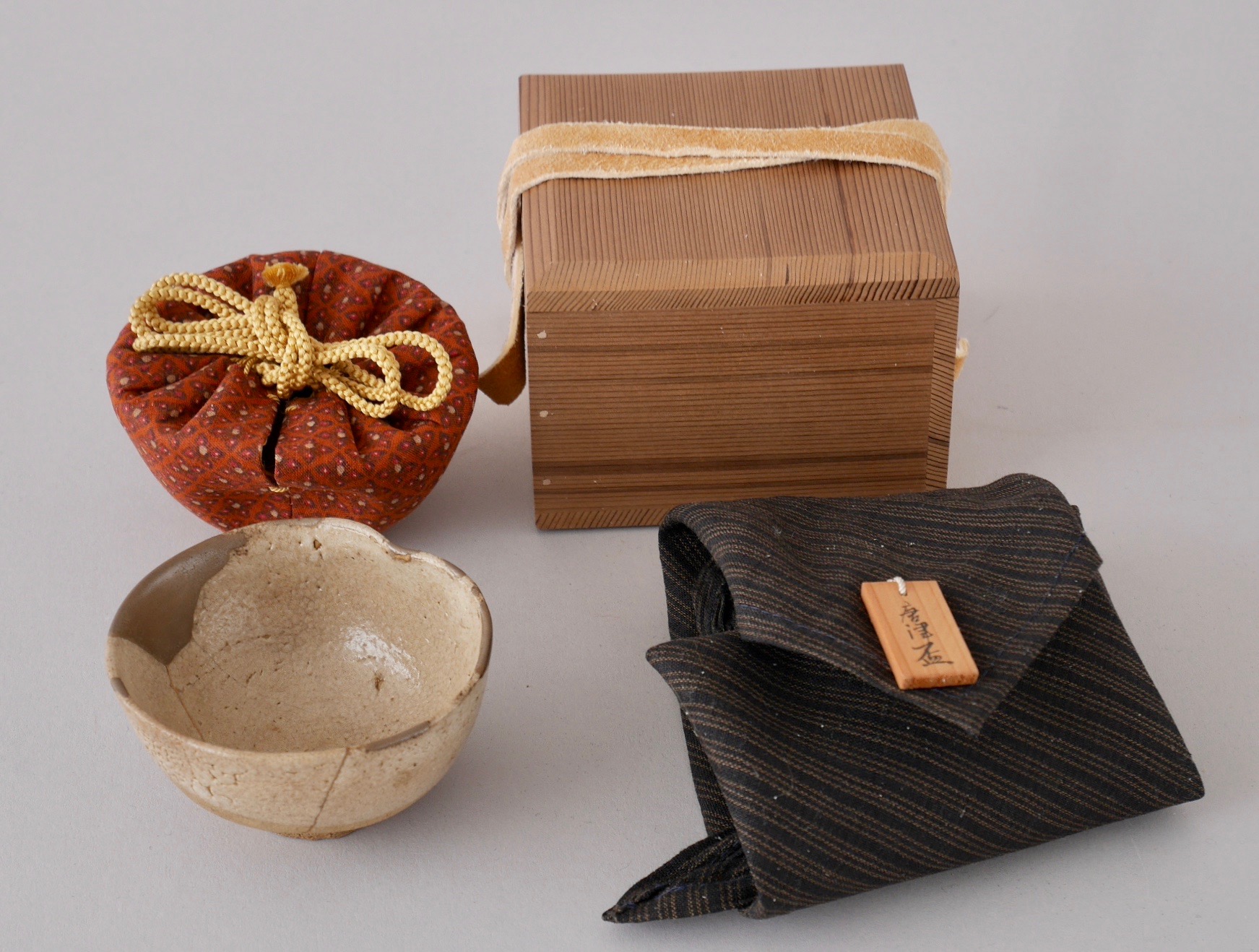
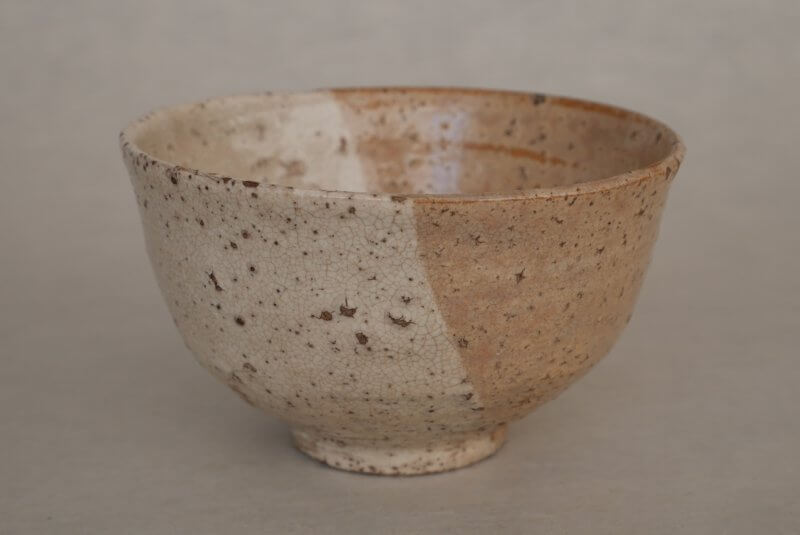
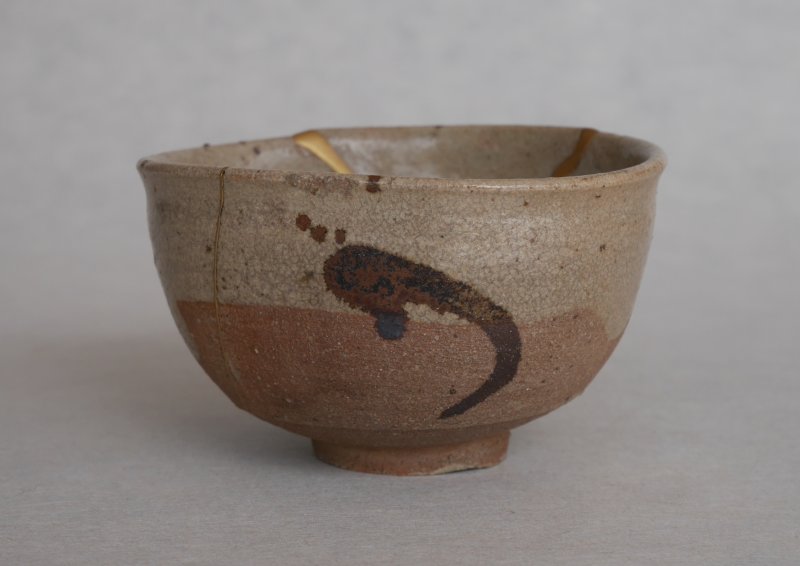
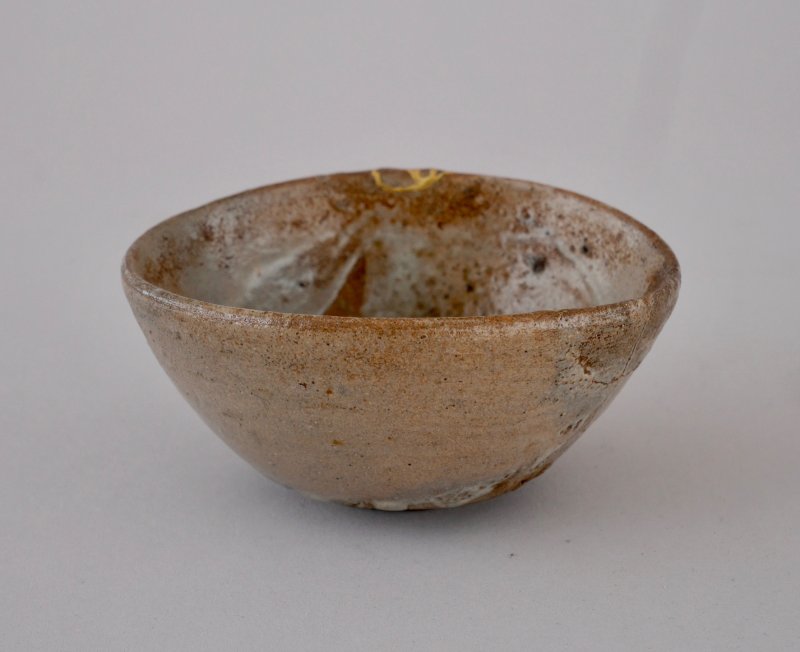
Karatsu ware originated when Korean potters, brought to Japan during Toyotomi Hideyoshi’s Bunroku and Keichō campaigns in Korea, began producing ceramics in the Karatsu region of Hizen Province. It was actively produced during the relatively brief period of roughly thirty years before porcelain production commenced in Imari, and each kiln developed its own distinctive characteristics in clay body, glaze, and decoration. This piece is made from a relatively light-colored clay. The surface displays areas of kairagi (“sharkskin” crackling) reminiscent of those seen on Ido tea bowls, while the gentle irregularity of the hand-formed rim also possesses an indescribable charm. Its form and character appear closely related to those of Oku-gōrai tea bowls. The piece is believed to have been excavated and later preserved as a treasured object. Although it has undergone kintsugi restoration, the assured form created by a skilled potter and the generously applied glaze (zubugake) combine to create an atmosphere of exceptional charm and authenticity.