Design of Musashino
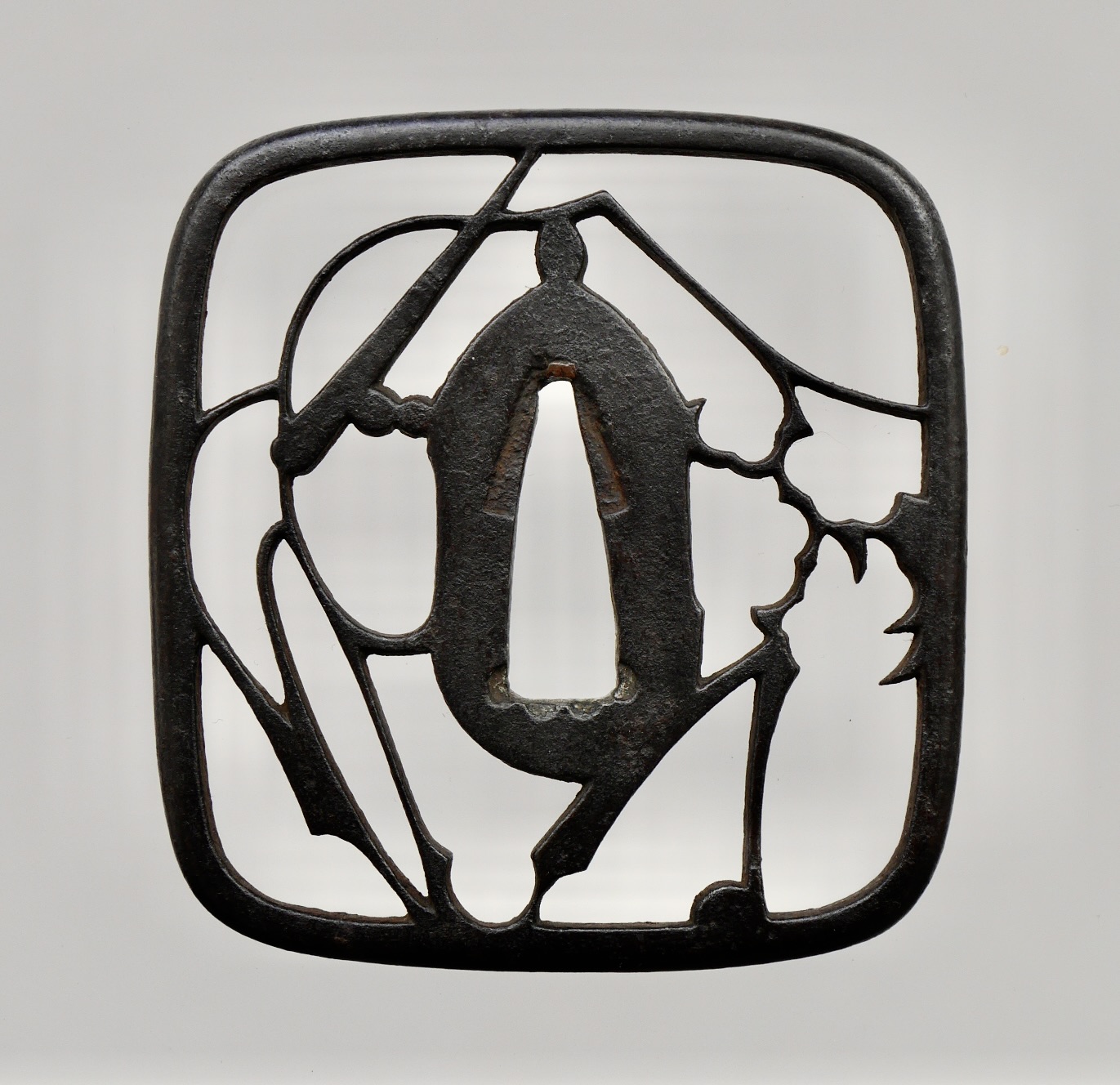
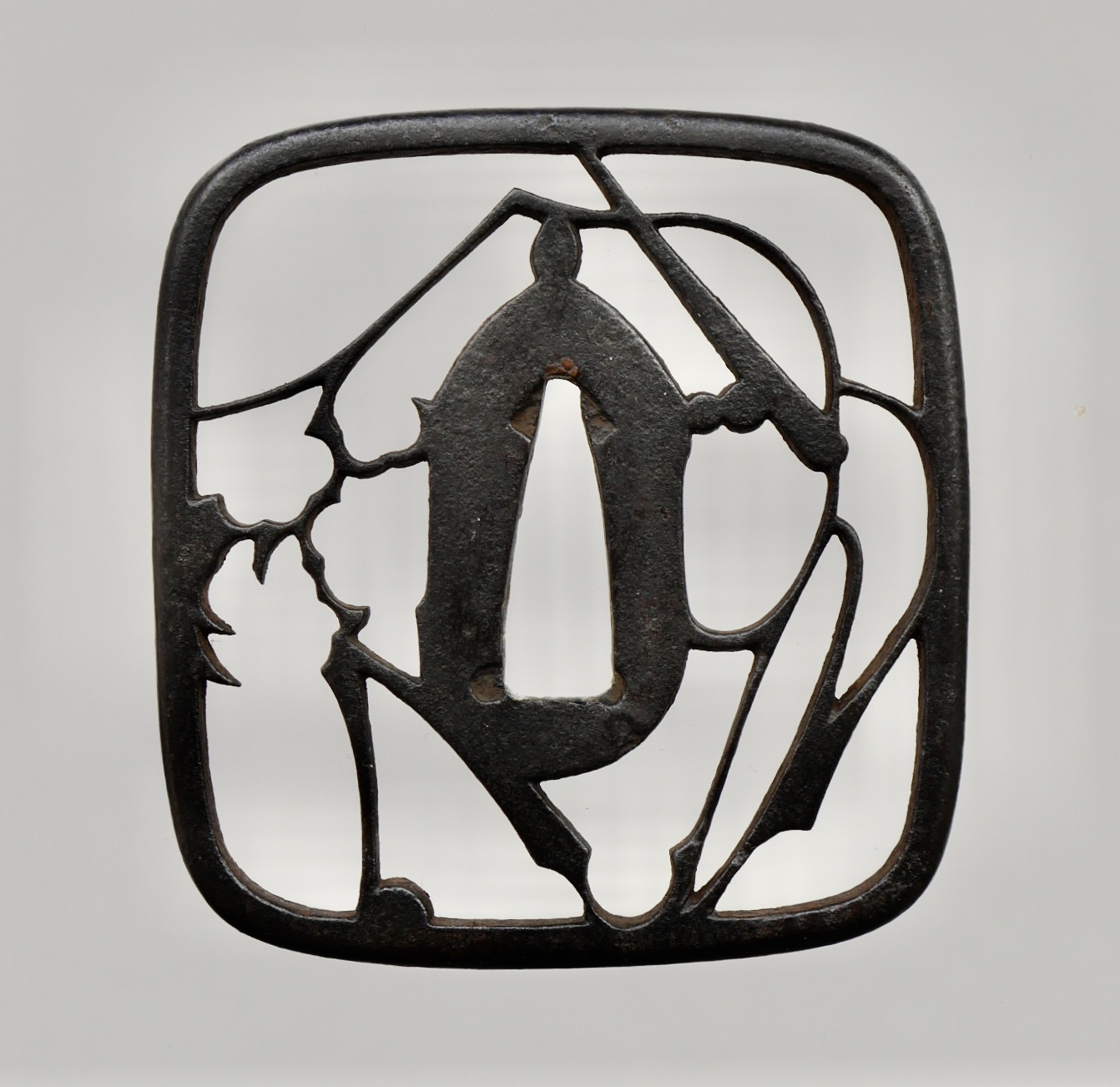
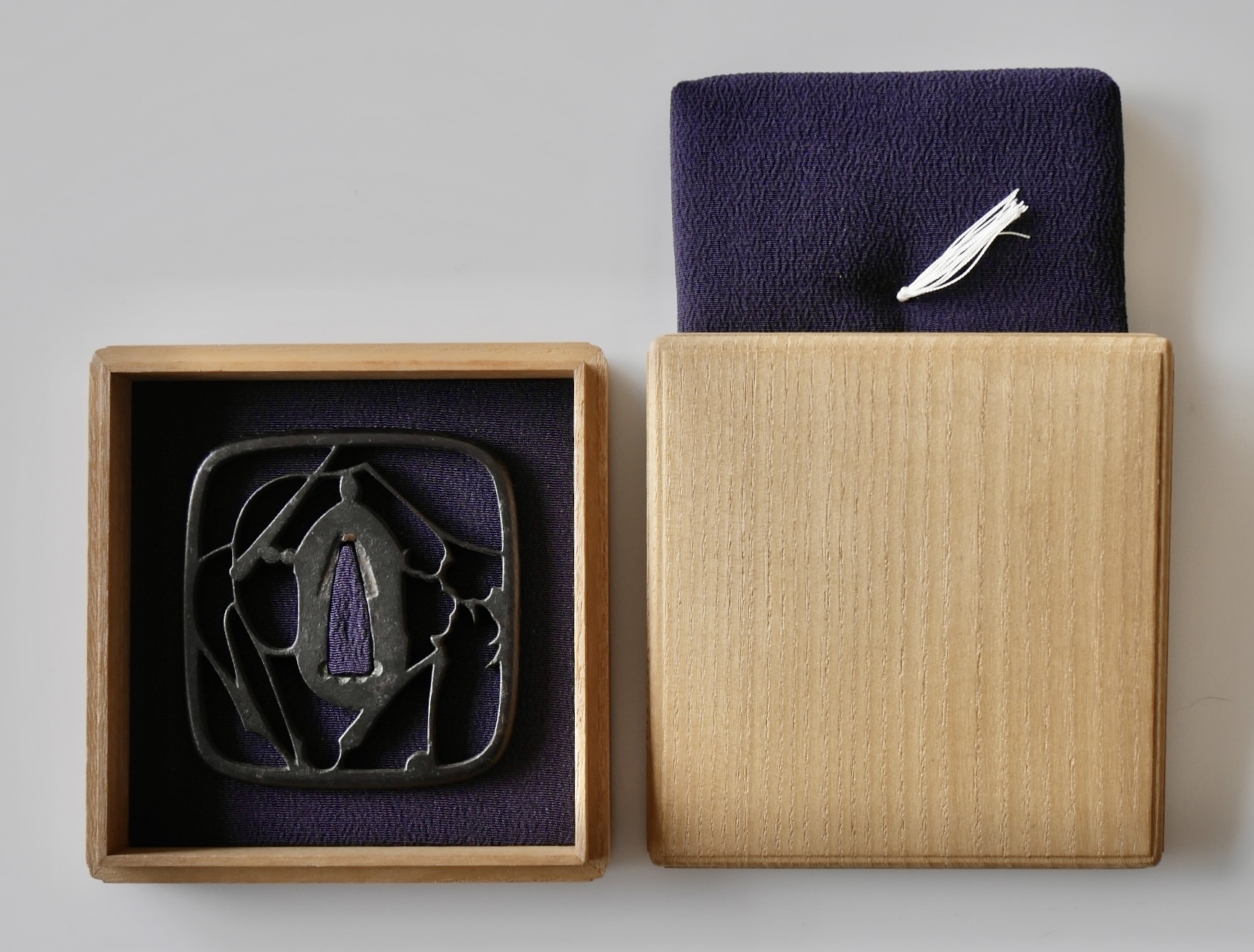
Akasaka tsuba originated in Edo, then a newly developing city, when the Tadamasa brothers—said to have come from either Owari or Kyō—began their production. During the time of the first and second generations of Tadamasa, the spirit of the Momoyama period still lingered, and their works were bold and robust in character, often treated with yakite. By the Genroku period under the third-generation Tadatōra, however, in response to changing tastes, tsuba with a softer atmosphere came to be produced, featuring polished surfaces (migaki-ji). At the same time, more pictorial designs were developed, appealing to the sensibilities of samurai who had gathered in Edo from various regions.
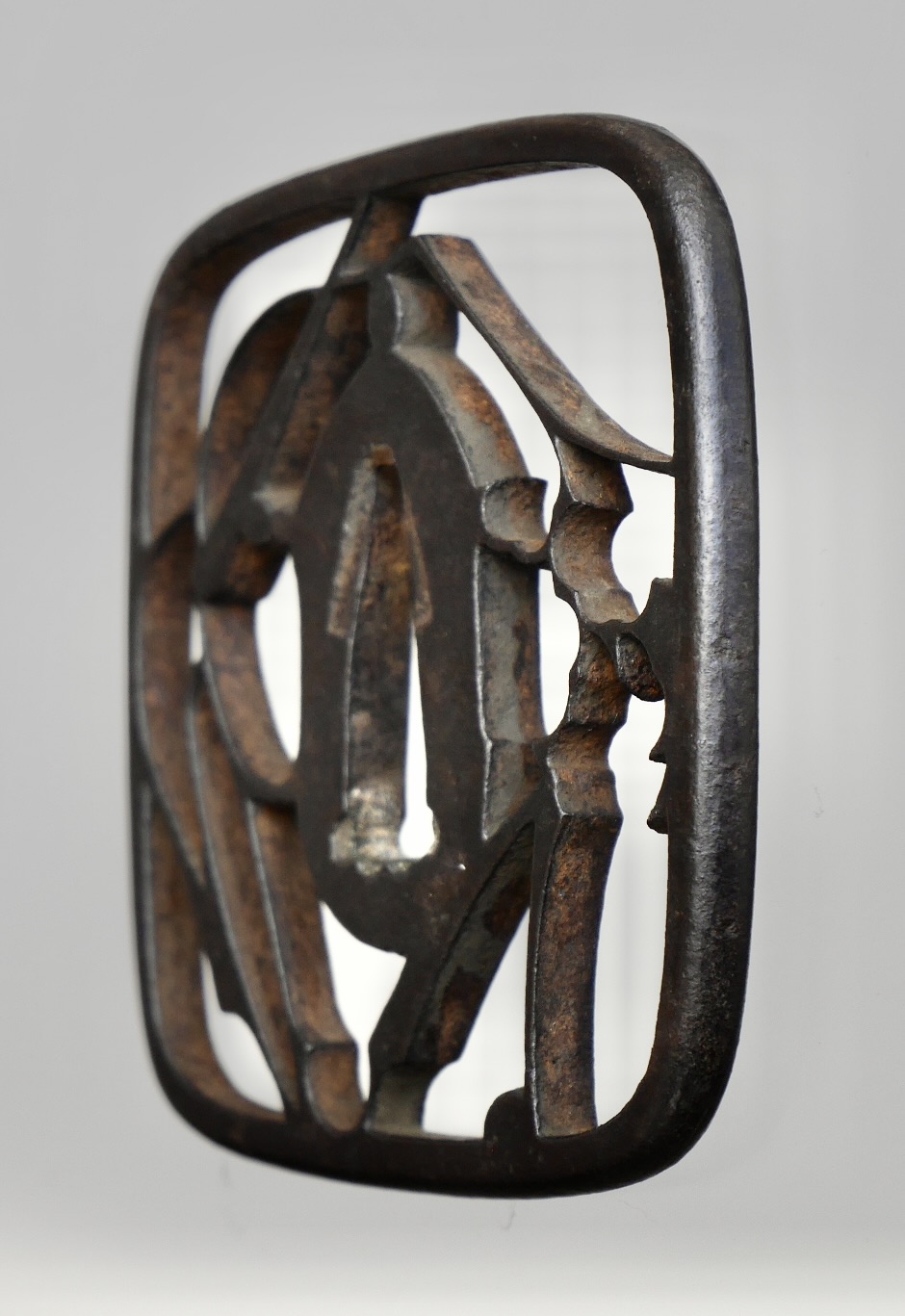
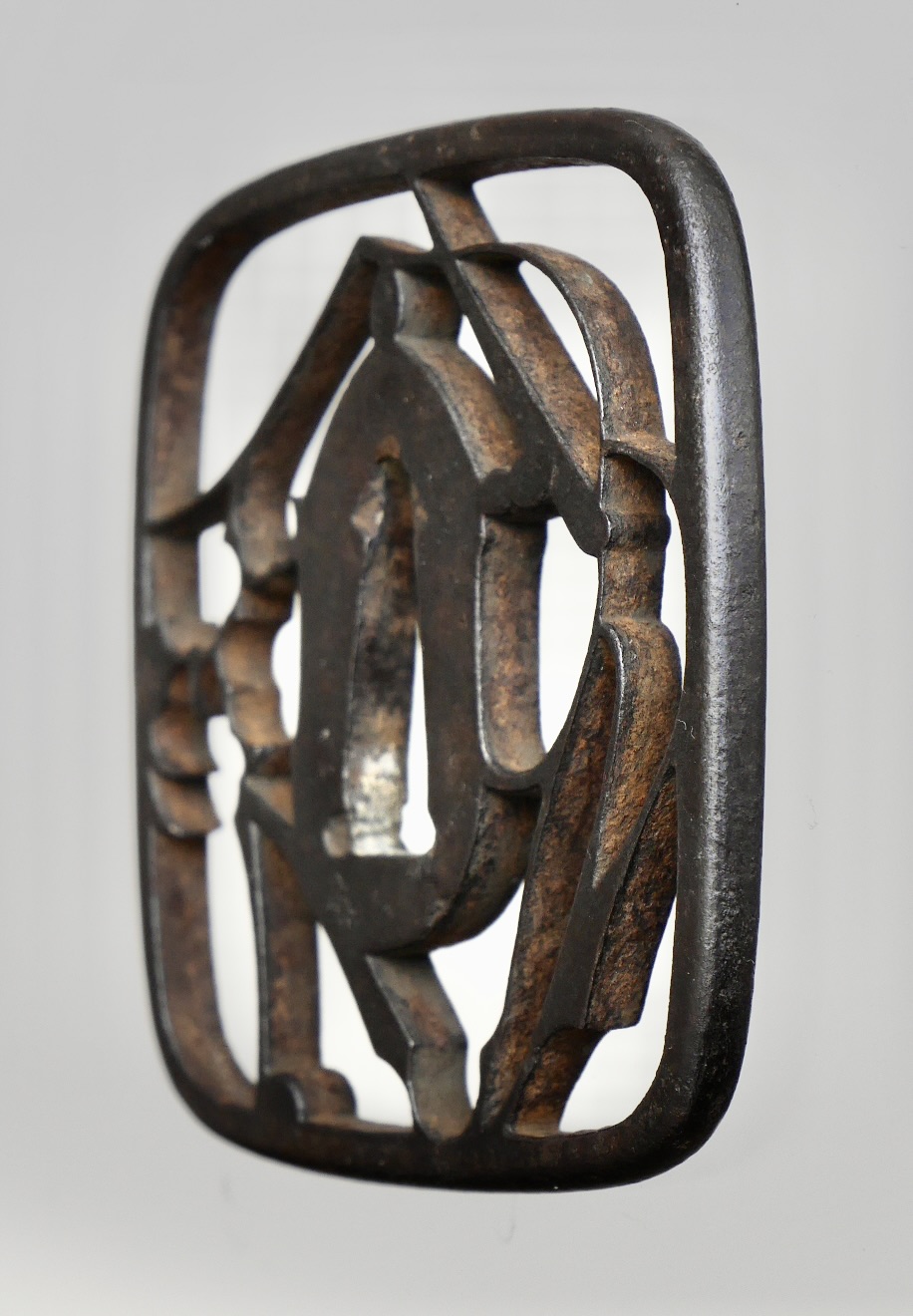
This tsuba features a Musashino sukashi design, depicting withered autumn grasses within a square form with rounded corners (sumimaru-kaku-gata). The composition is pictorial and full of movement, with a refined and tasteful sense of design, offering a relaxed yet expansive aesthetic presence.
While a similar design is also seen in works by the first generation, this example is executed in migaki-ji, giving it a more delicate impression. The iron displays a luminous, moist quality, and together with the excellent design, this piece fully expresses the enduring appeal of Akasaka tsuba.